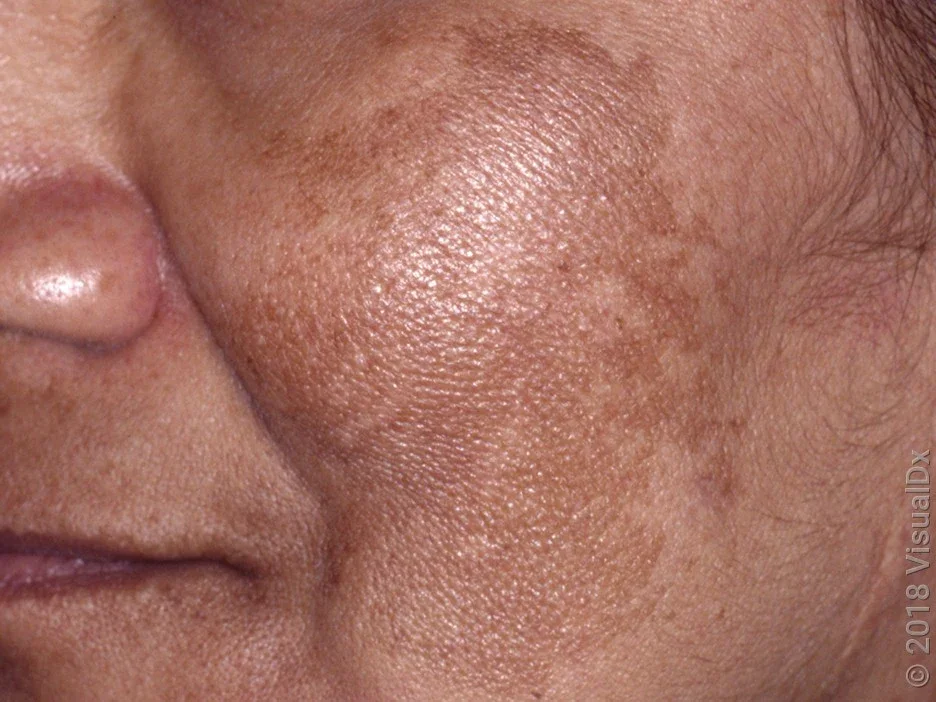
Melasma is a common skin problem. It causes dark patches on the face. These patches usually appear on the cheeks, forehead, nose, and upper lip. Melasma can affect anyone but is more common in women. It often happens during pregnancy or when taking certain medicines.

Credit: cliniquedallas.com
What Does Melasma Look Like?
The dark patches of melasma are usually brown or gray-brown. They have an uneven shape and size. Sometimes, the patches blend into the skin color. The skin looks blotchy or dirty. But it is not caused by dirt or poor hygiene.
Who Gets Melasma?
Melasma happens mostly to adults. Women get it more than men. This is because hormones play a big role in melasma. Pregnant women often get melasma. Doctors call it the “mask of pregnancy.” Women who take birth control pills or hormone therapy can get melasma too.
People with darker skin tones are more likely to have melasma. Sun exposure also makes melasma worse. This is because sunlight triggers the skin to make more pigment.
What Causes Melasma?
Melasma happens when the skin makes too much pigment. Pigment is the color in your skin. It is called melanin. When the skin makes too much melanin, dark spots appear. Several things can cause this:
- Sunlight: The sun’s rays make melasma worse.
- Hormones: Pregnancy, birth control pills, and hormone therapy can trigger melasma.
- Skin care products: Some creams and lotions can irritate skin and cause melasma.
- Genetics: Melasma can run in families.
Where Does Melasma Appear?
Melasma usually shows on the face. The most common areas are:
- Cheeks
- Forehead
- Bridge of the nose
- Upper lip
- Chin
Sometimes, melasma can appear on other parts of the body. But this is rare.
How Is Melasma Diagnosed?
A doctor can usually tell if you have melasma by looking at your skin. They may ask about your medical history. Sometimes, a special light called a Wood’s lamp helps to see melasma better.
Can Melasma Be Treated?
Yes. Melasma can be treated but it takes time. Treatment helps to lighten the dark patches. However, melasma can come back. Here are common treatments:
- Sun Protection: Use sunscreen every day. Wear hats and sunglasses.
- Topical Creams: Doctors may suggest creams with ingredients like hydroquinone, tretinoin, or azelaic acid.
- Chemical Peels: These remove the top skin layer and help lighten spots.
- Laser Therapy: Some lasers can reduce melasma but may not work for everyone.

Credit: laserdocs.co.uk
How to Protect Your Skin from Melasma
Prevention is very important. Here are simple steps to protect your skin:
- Always wear sunscreen: Use a broad-spectrum sunscreen with SPF 30 or higher.
- Avoid direct sun: Stay in the shade during peak hours, 10 a.m. to 4 p.m.
- Wear protective clothes: Hats, sunglasses, and long sleeves help.
- Use gentle skin products: Avoid harsh soaps and scrubs.
Living with Melasma
Melasma can affect how you feel. Some people feel shy or less confident. Remember, melasma is common and not dangerous. It does not hurt or cause sickness. Talk to a doctor if melasma bothers you. They can help find the best treatment.
Summary Table: Key Facts About Melasma
| Topic | Information |
|---|---|
| What is Melasma? | Dark patches on the face caused by extra pigment. |
| Common Areas | Cheeks, forehead, nose, upper lip, chin. |
| Who Gets It? | Mostly women, especially during pregnancy or hormone use. |
| Main Causes | Sun exposure, hormones, genetics, skin irritation. |
| Diagnosis | Skin exam and sometimes special light test. |
| Treatments | Sunscreen, creams, chemical peels, laser therapy. |
| Prevention | Use sunscreen, avoid sun, wear protective clothes. |
Final Thoughts
Melasma is a skin condition with dark patches. It is common and treatable. Sun protection is the best way to prevent it. If you think you have melasma, see a doctor. They can help you manage the condition. Patience is key because treatment takes time. With care, melasma can improve and your skin can look better.
Frequently Asked Questions
What Causes Melasma On The Skin?
Melasma is caused by sun exposure, hormonal changes, and genetics.
Can Melasma Affect All Skin Types?
Yes, melasma can affect all skin types but is common in darker skin.
Is Melasma Permanent Or Can It Fade Away?
Melasma can fade with treatment but may return without sun protection.
How Does Sun Exposure Worsen Melasma?
Sunlight triggers melanin production, making melasma patches darker and bigger.