
Melasma is a skin condition that causes dark patches on the face. Many people want to know how to cure melasma. It can be hard to get rid of these spots. But with the right steps, you can make your skin look better. This article will explain simple ways to help your skin heal from melasma.
Credit: www.huffpost.com
What is Melasma?
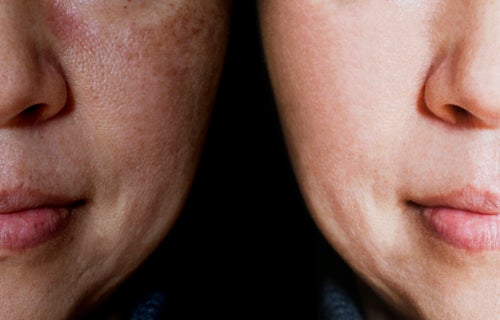
Melasma is a condition where dark spots appear on the skin. These spots are usually brown or gray. They show up mostly on the cheeks, forehead, nose, and upper lip. Melasma happens when your skin makes too much pigment. This pigment is called melanin. When melanin is too much, dark patches appear.
Many things cause melasma. The sun is one of the main reasons. When you stay in the sun without protection, your skin makes more melanin. This causes dark spots. Hormones also play a role. For example, women who are pregnant or take birth control pills may get melasma. Sometimes, melasma runs in families. So, if your parents had it, you might get it too.
Why Is Melasma Hard to Cure?
Melasma is tricky because it comes from deep in the skin. It is not just on the surface. Also, the sun can make it worse or bring it back. Many treatments need time and care. You cannot expect quick fixes. But with patience, you can improve your skin’s look.
How to Cure Melasma: Step by Step
Here are some simple ways to help cure melasma. You do not need to do all at once. Start with the basics. Then add more steps as you go.
1. Use Sunscreen Every Day
Sunscreen is the most important step. It protects your skin from the sun’s rays. Choose a sunscreen with at least SPF 30. Make sure it blocks both UVA and UVB rays. Apply sunscreen every morning, even on cloudy days. If you go outside, apply again every two hours. This helps stop melasma from getting worse.
2. Wear Protective Clothing
Besides sunscreen, wear hats and sunglasses. Hats with wide brims shield your face. Sunglasses protect the skin around your eyes. You can also wear long sleeves when possible. This reduces sun exposure and helps your skin heal.
3. Try Skin-lightening Creams
Some creams can help lighten melasma spots. Look for creams with these ingredients:
- Hydroquinone: It reduces melanin production.
- Azelaic acid: It helps fade dark spots.
- Kojic acid: It is a natural skin brightener.
- Vitamin C: It helps with skin lightening and healing.
- Retinoids: They help skin renew faster.
Use these creams as your doctor or pharmacist advises. Do not use too much. Some creams may cause irritation. Always do a patch test first.
4. Keep Your Skin Clean And Moisturized
Clean skin helps creams work better. Wash your face twice daily with a gentle cleanser. Avoid harsh soaps that dry your skin. After washing, use a good moisturizer. Moisturizing keeps your skin soft and healthy. Healthy skin heals faster.
5. Avoid Picking Or Scratching Your Skin
Do not pick at melasma spots. Scratching or rubbing can make them worse. It might cause scars or more dark patches. Be gentle with your face.
6. Consult A Dermatologist
If melasma is severe, see a skin doctor. A dermatologist can offer treatments not available over the counter. They may suggest:
- Chemical peels
- Laser therapy
- Microdermabrasion
- Prescription creams with strong ingredients
These treatments can help but need expert care. Always follow the doctor’s instructions closely.
Natural Remedies That May Help
Some people prefer natural treatments for melasma. These do not have strong chemicals. Natural remedies may help lighten spots slowly.
1. Aloe Vera
Aloe vera gel can soothe the skin. It may help reduce pigmentation. Apply fresh aloe gel on the spots daily.
2. Lemon Juice
Lemon juice has natural bleaching properties. Dab lemon juice on the dark spots. Leave for 10-15 minutes, then rinse. Do not use lemon juice if you have sensitive skin. Always use sunscreen after lemon treatment.
3. Turmeric
Turmeric is known for skin benefits. Mix turmeric powder with milk or honey. Apply the paste to your face. Leave it for 20 minutes, then wash off. Use this a few times a week.
4. Apple Cider Vinegar
Apple cider vinegar can help balance skin tone. Mix equal parts vinegar and water. Apply with a cotton ball. Leave for a few minutes, then rinse. Use it with care to avoid irritation.
Tips for Preventing Melasma
Prevention is better than cure. Follow these tips to avoid melasma or keep it from coming back.
- Always wear sunscreen before going outside.
- Avoid direct sun between 10 a.m. and 4 p.m.
- Wear hats and sunglasses outdoors.
- Use gentle skin products without harsh chemicals.
- Keep your skin clean and moisturized.
- Talk to your doctor before using hormone medicines.
How Long Does It Take to Cure Melasma?
Melasma does not go away quickly. It can take weeks or months to see change. Some treatments need regular use for several months. Do not stop if you don’t see results fast. Keep protecting your skin every day.
Summary Table: Steps to Cure Melasma
| Step | Action | Why It Helps |
|---|---|---|
| 1 | Apply sunscreen daily (SPF 30+) | Protects skin from sun damage |
| 2 | Wear hats and sunglasses | Blocks harmful sun rays |
| 3 | Use skin-lightening creams | Reduces dark pigment on skin |
| 4 | Keep skin clean and moisturized | Helps skin heal and renew |
| 5 | Avoid picking or scratching | Prevents worsening and scars |
| 6 | Consult a dermatologist | Access expert treatments |

Credit: cliniquedallas.com
Final Thoughts
Melasma can be frustrating. But you can manage it with care. Protect your skin from the sun. Use creams and follow good skin habits. Natural remedies may support your healing. If needed, get help from a skin doctor. Remember, patience is key. Your skin will look better with time.
Frequently Asked Questions
What Causes Melasma On The Skin?
Melasma is caused by sun exposure, hormonal changes, and genetics.
Can Melasma Disappear Without Treatment?
Sometimes melasma fades on its own but often needs treatment to improve.
Which Treatments Work Best For Melasma?
Topical creams with hydroquinone, retinoids, and chemical peels help reduce melasma.
How Long Does Melasma Treatment Take?
Treatment usually takes several weeks to months to show noticeable improvement.