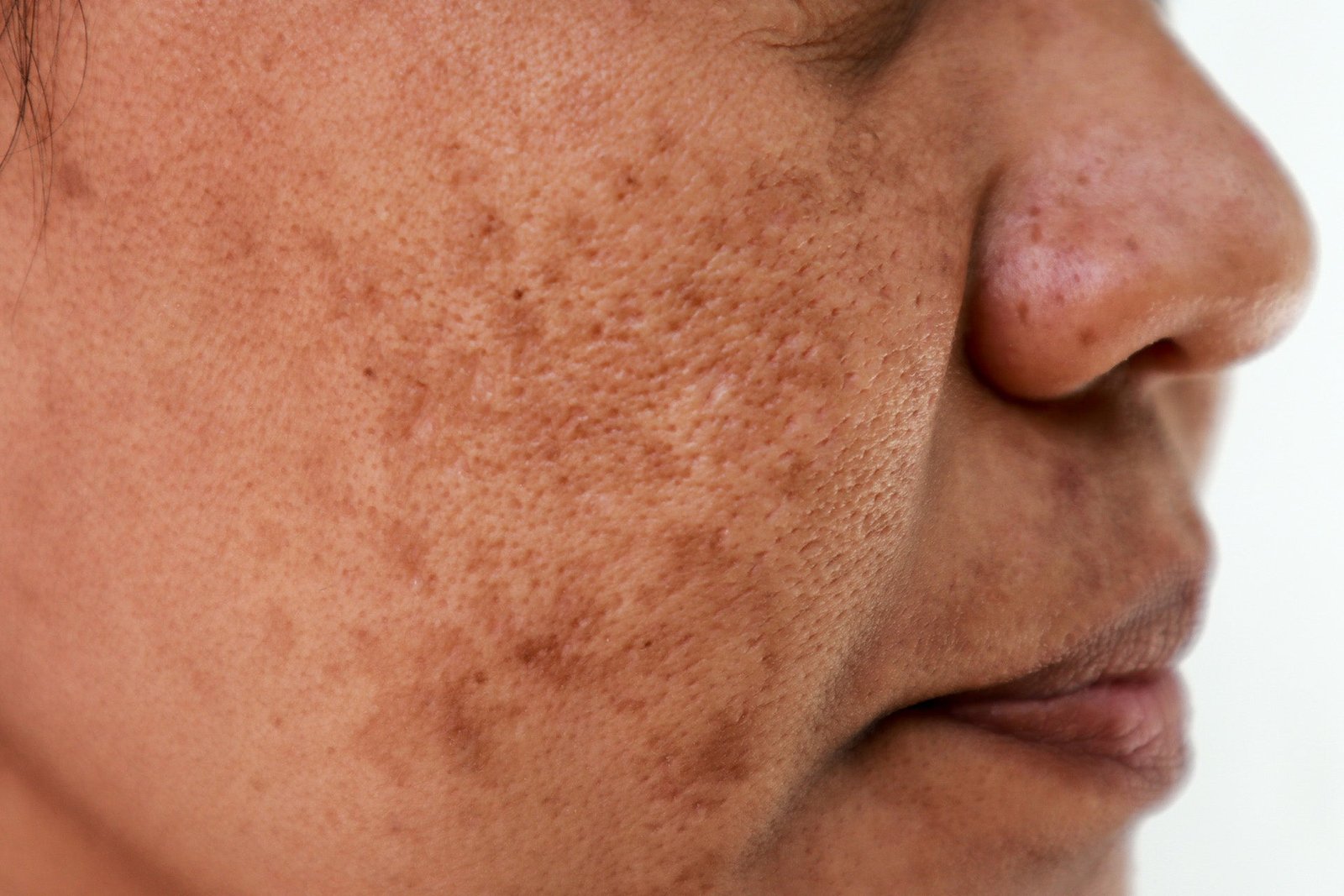
Have you ever noticed dark spots or patches on your skin? These spots may look different from your normal skin color. This change in skin color is called hyperpigmentation. It happens when your skin makes too much pigment. Pigment is what gives your skin its color.
But why does this happen? And is it harmful? This article will explain everything about hyperpigmentation in simple words.
What Causes Hyperpigmentation?
Our skin has a pigment called melanin. Melanin decides the color of your skin, hair, and eyes. When your skin makes extra melanin in some areas, those parts become darker. This is hyperpigmentation.
There are many reasons why your skin may produce extra melanin:
- Sun Exposure: The sun’s rays can make your skin produce more melanin to protect itself. This can cause dark spots, often called sun spots or age spots.
- Skin Injury: When your skin gets hurt, it tries to heal itself. Sometimes, it makes extra pigment in that area. This is called post-inflammatory hyperpigmentation.
- Hormones: Changes in hormone levels, especially in women during pregnancy or when taking birth control pills, can cause hyperpigmentation. This is called melasma.
- Medications: Some medicines can cause your skin to darken as a side effect.
- Skin Conditions: Certain diseases or skin problems can lead to hyperpigmentation.
Types of Hyperpigmentation
There are different types of hyperpigmentation. Knowing the type helps to understand how to treat it.
| Type | Description | Common Cause |
|---|---|---|
| Sunspots (Solar Lentigines) | Flat, brown spots on sun-exposed skin | Long-term sun exposure |
| Melasma | Large, dark patches usually on cheeks and forehead | Hormonal changes and sun exposure |
| Post-inflammatory Hyperpigmentation | Dark spots after skin injury or inflammation | Acne, cuts, burns, or rashes |

Credit: www.cutislaserclinics.com
Who Can Get Hyperpigmentation?
Anyone can get hyperpigmentation. But some people have more risk. If you have darker skin, you may see hyperpigmentation more often. This is because your skin has more melanin to start with.
Also, people who spend a lot of time in the sun without protection can get dark spots more easily.
How Does Hyperpigmentation Look?
Hyperpigmentation shows as dark spots or patches on your skin. These spots can be small or large. They may be brown, black, gray, or red. The spots may appear on your face, hands, arms, or other areas.
These spots are usually flat. They do not hurt or itch. But some people may feel upset about how they look.
Is Hyperpigmentation Dangerous?
Most of the time, hyperpigmentation is not harmful. It is a skin change that does not cause pain or illness. But it can sometimes be a sign of a skin problem.
If you see a new dark spot that changes shape, size, or color, you should see a doctor. This is important because some skin cancers can look like dark spots.
How to Prevent Hyperpigmentation?
Preventing hyperpigmentation is easier than treating it. Here are some tips to keep your skin even and healthy:
- Use Sunscreen: Always wear sunscreen with at least SPF 30. Apply it every day, even on cloudy days.
- Wear Protective Clothing: Hats, sunglasses, and long sleeves can protect your skin from the sun.
- Avoid Picking at Skin: Do not scratch or pick at acne or wounds. This can cause dark spots later.
- Be Careful with Skin Products: Some products can irritate your skin and cause hyperpigmentation.
- Check Medications: Talk to your doctor if your medicine causes skin darkening.
How to Treat Hyperpigmentation?
Treating hyperpigmentation takes time. Here are some common treatments:
1. Skin Lightening Creams
Creams with ingredients like hydroquinone, kojic acid, or vitamin C can help lighten dark spots. Use these creams as directed by a doctor.
2. Chemical Peels
A doctor applies a chemical solution to your skin. This helps remove the top layer, making dark spots less visible.
3. Laser Therapy
Laser treatments can break up pigment in the skin. This helps fade dark spots. It is done by a skin specialist.
4. Natural Remedies
Some people use natural ingredients like aloe vera, green tea, or licorice extract. These may help, but they work slowly and are less strong than medical treatments.

Credit: www.cutislaserclinics.com
Tips for Caring for Your Skin
- Keep your skin clean and moisturized.
- Use gentle skincare products to avoid irritation.
- Avoid too much sun exposure, especially between 10 a.m. and 4 p.m.
- Drink plenty of water to keep your skin healthy.
- Eat fruits and vegetables rich in vitamins for good skin health.
When to See a Doctor?
If your dark spots are spreading fast or look unusual, see a doctor. Also, if the spots hurt or bleed, get medical advice. A skin specialist can check if the spots are safe or need treatment.
Summary
Hyperpigmentation is a common skin condition. It happens when your skin makes extra melanin. This causes dark spots or patches on your skin. Sun exposure, skin injury, and hormones can cause it.
You can prevent hyperpigmentation by protecting your skin from the sun. Treatments are available, but they take time. Always care for your skin gently and watch for changes.
Understanding hyperpigmentation helps you keep your skin healthy and looking good.
Frequently Asked Questions
What Causes Hyperpigmentation On The Skin?
Hyperpigmentation happens when skin makes too much melanin, often due to sun, injury, or hormones.
How Can I Prevent Hyperpigmentation Naturally?
Wear sunscreen daily, avoid direct sun, and use gentle skincare products to protect your skin.
Does Hyperpigmentation Fade Over Time?
Yes, some hyperpigmentation fades slowly but may need treatment for faster results.
Can Hyperpigmentation Affect All Skin Types?
Yes, all skin types can get hyperpigmentation, but darker skin may show it more.