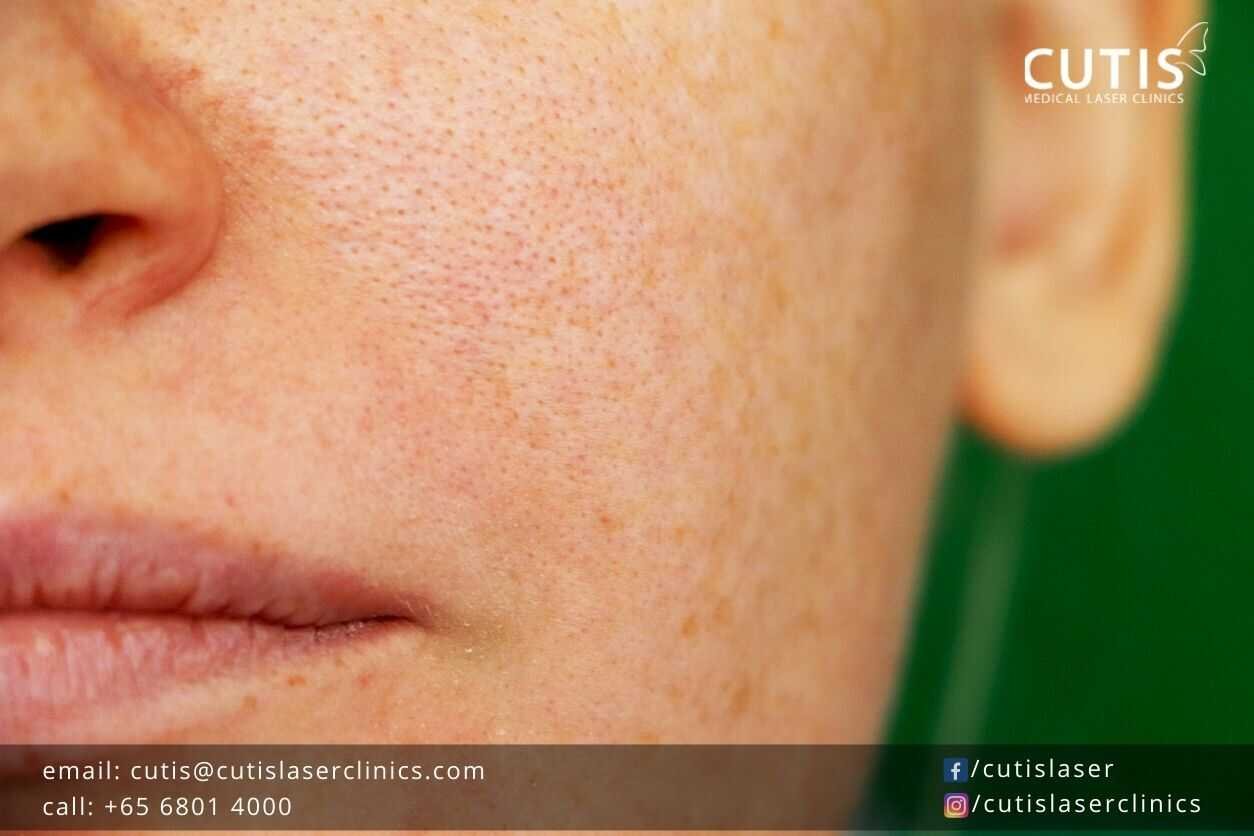
Many people notice dark spots or patches on their face. These spots can be different from the rest of the skin. This condition is called hyperpigmentation.
But what exactly is hyperpigmentation? Why does it happen? And how can we take care of it? This article will explain all these things in simple words.
Understanding Hyperpigmentation
Hyperpigmentation means the skin has more color than usual. The skin looks darker in some areas. This happens because the skin makes extra melanin.
Melanin is the substance that gives skin its color. Everyone has melanin, but the amount can change. When the skin makes too much melanin, dark spots appear.
These dark spots can be small or cover a big area. They often look like patches or freckles. Hyperpigmentation usually happens on the face, hands, and other parts of the body that get sunlight.
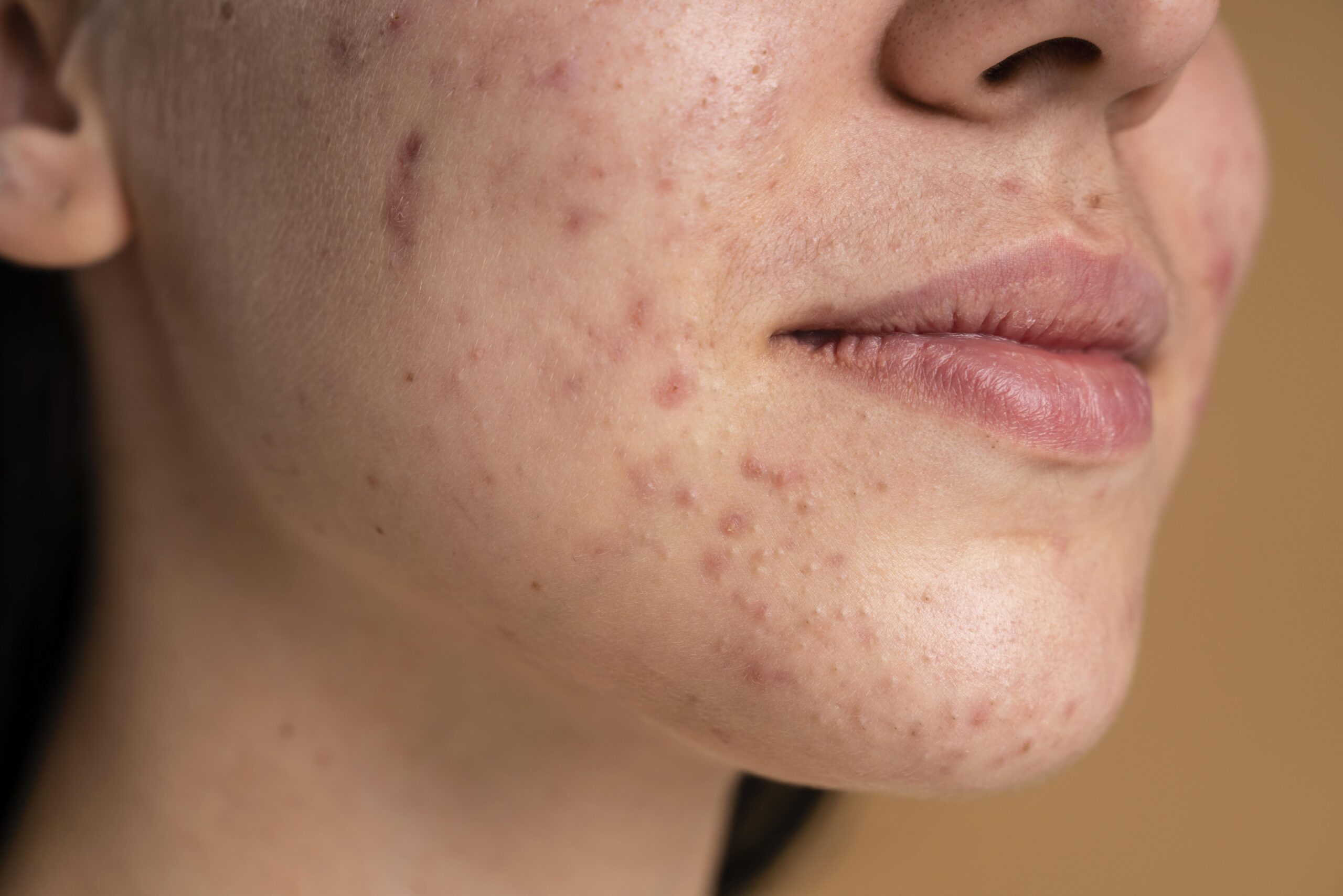
Credit: rasaderm.com
Common Types of Hyperpigmentation on the Face
There are several kinds of hyperpigmentation. Here are the most common types you might see on the face:
- Melasma: Large, brown or grayish patches. Often appear on cheeks, forehead, and nose.
- Sunspots: Also called age spots or liver spots. They are small and dark, caused by sun exposure.
- Post-inflammatory hyperpigmentation (PIH): Dark spots that appear after skin injury, like pimples or cuts.

Credit: johnscreekdermatology.com
What Causes Hyperpigmentation on the Face?
The main cause of hyperpigmentation is extra melanin production. But many things can make the skin produce more melanin.
Sun Exposure
The sun’s rays make the skin produce melanin to protect itself. But too much sun can cause dark spots. This is the most common cause of hyperpigmentation.
Skin Injuries
When skin gets hurt, like from acne or cuts, it can make dark spots as it heals. This is called post-inflammatory hyperpigmentation.
Hormonal Changes
Hormones can affect melanin production. For example, pregnant women may get melasma. This is also called the “mask of pregnancy.”
Medications And Chemicals
Some medicines and skin products can cause dark spots. Always check the label and avoid harmful chemicals.
Aging
As people get older, sun damage builds up. This can cause age spots or sunspots to appear.
Who Can Get Hyperpigmentation?
Anyone can get hyperpigmentation. But some people are more likely to have it.
- People with darker skin tones
- Women, especially during pregnancy or using birth control
- People who spend a lot of time in the sun
- Those with a history of acne or skin injuries
How to Recognize Hyperpigmentation
Hyperpigmentation looks like dark spots or patches. They are usually flat and do not hurt.
These spots can be different shapes and sizes. They often have a brown, black, or gray color.
If you see dark spots that change or grow, see a doctor. It is important to rule out other skin problems.
Ways to Prevent Hyperpigmentation
Prevention is better than treatment. Here are some simple tips to avoid hyperpigmentation:
- Use sunscreen every day: Choose SPF 30 or higher.
- Wear hats and sunglasses: Protect your face from direct sun.
- Avoid picking at pimples: This can cause dark spots.
- Use gentle skin products: Avoid harsh chemicals that can irritate skin.
- Limit sun exposure: Especially during peak hours (10 am to 4 pm).
How to Treat Hyperpigmentation on the Face
If you already have dark spots, there are ways to treat them. Some treatments can lighten the spots and even out skin color.
Over-the-counter Creams
There are creams that help reduce dark spots. Look for ingredients like:
- Vitamin C
- Niacinamide
- Hydroquinone (use with care and doctor advice)
- Azelaic acid
- Kojic acid
These ingredients help stop melanin production and fade dark spots.
Professional Treatments
For stubborn spots, a doctor may suggest treatments like:
- Chemical peels
- Laser therapy
- Microdermabrasion
- Prescription creams
These methods work by removing the top skin layers or changing melanin production.
Natural Remedies
Some people use natural products to lighten spots. These include:
- Aloe vera gel
- Green tea extract
- Licorice extract
- Lemon juice (use carefully and avoid sun after)
Natural remedies may help but take time and may not work for everyone.
Important Tips for Caring for Hyperpigmented Skin
When you have hyperpigmentation, skin care is important. Here are some tips to keep your skin healthy:
- Be gentle when washing your face.
- Use moisturizing creams to keep skin soft.
- Always apply sunscreen before going outside.
- Avoid harsh scrubs that can irritate skin.
- Stay hydrated by drinking enough water.
Summary Table: Hyperpigmentation on Face
| Topic | Details |
|---|---|
| What is it? | Dark spots or patches caused by extra melanin. |
| Main Causes | Sun exposure, skin injury, hormones, aging. |
| Common Types | Melasma, sunspots, post-inflammatory hyperpigmentation. |
| Prevention | Use sunscreen, avoid sun, gentle skin care. |
| Treatment Options | Creams, professional treatments, natural remedies. |
| Who is at Risk? | Darker skin, women, sun lovers, those with acne. |
Final Thoughts
Hyperpigmentation on the face is common. It can affect anyone at any age. Understanding its causes helps to prevent it.
Protect your skin from the sun every day. Be gentle with your skin. Use safe and effective treatments when needed.
With patience and care, you can reduce dark spots. Healthy skin is happy skin.
Frequently Asked Questions
What Causes Hyperpigmentation On The Face?
Sun exposure, acne scars, hormonal changes, and skin injuries often cause hyperpigmentation.
How Can I Prevent Facial Hyperpigmentation?
Wear sunscreen daily, avoid direct sun, and treat skin gently to prevent dark spots.
Can Hyperpigmentation On Face Fade Naturally?
Some dark spots fade slowly, but many need treatment for visible improvement.
What Treatments Reduce Hyperpigmentation Effectively?
Topical creams with ingredients like vitamin C, retinoids, or chemical peels help reduce spots.