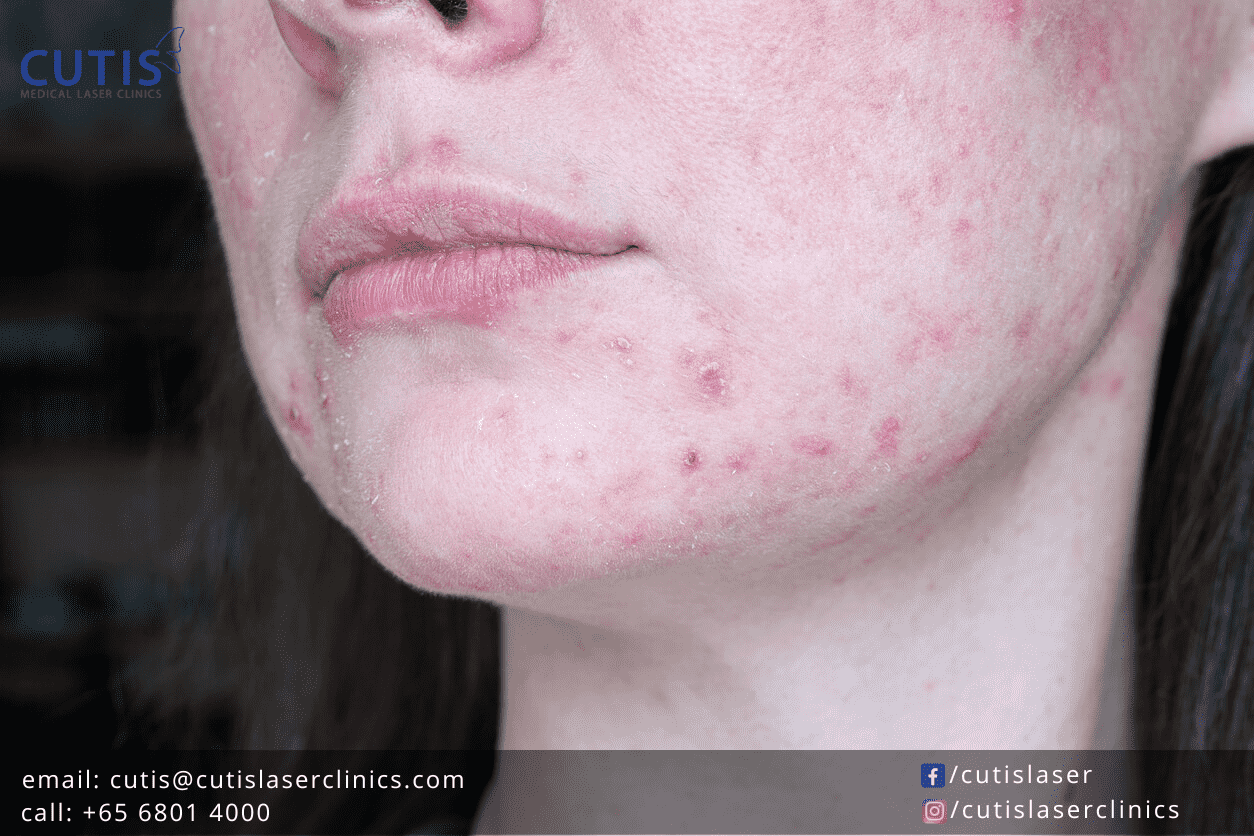
Rosacea is a skin condition that many people have. It mostly affects the face. People with rosacea often have red skin, bumps, and sometimes small blood vessels that show on their face.
How Does Rosacea Look?
Rosacea can look different for each person. But some signs are common:
- Redness on the cheeks, nose, chin, or forehead
- Small red bumps or pimples that may look like acne
- Visible tiny blood vessels under the skin
- Skin that feels hot or burns easily
- Sometimes, thickening of the skin, especially on the nose
These signs can come and go. Some days your skin looks better. Other days, it may get worse.
Who Gets Rosacea?
Rosacea can affect anyone. But it is more common in adults aged 30 to 50 years. It also happens more often in people with fair skin. Both men and women can have rosacea. Women get it more often, but men sometimes have more severe cases.
What Causes Rosacea?
Doctors do not know the exact cause of rosacea. But they think many things can make it worse:
- Sun exposure
- Hot weather or cold weather
- Stress or strong emotions
- Spicy foods or hot drinks
- Alcohol, especially red wine
- Exercise or heavy physical activity
- Certain skin care products or cosmetics
- Some medicines that make blood vessels wider
These things do not cause rosacea, but they can trigger flare-ups. Flare-ups mean the skin gets red and irritated.
Types of Rosacea
Rosacea is not the same for everyone. Doctors divide rosacea into four types:
| Type | Description | Main Symptoms |
|---|---|---|
| Erythematotelangiectatic | Redness and visible blood vessels | Flushing, red skin, small blood vessels visible |
| Papulopustular | Redness with pimples and bumps | Red skin, pus-filled bumps, swelling |
| Phymatous | Thickening of skin, often on the nose | Thick skin, large pores, uneven texture |
| Ocular | Affects the eyes | Dry, irritated eyes, redness, swollen eyelids |
How Does Rosacea Affect Life?
Rosacea can be more than skin deep. It can affect how people feel.
- People may feel shy or embarrassed about their skin.
- They might avoid social situations.
- Flare-ups can cause discomfort or burning feelings.
- Sometimes, rosacea can make the eyes red and itchy.
It is important to know that rosacea is not dangerous. But it can be hard to live with.
How is Rosacea Diagnosed?
A doctor, usually a skin specialist called a dermatologist, can diagnose rosacea. They look at the skin and ask questions about symptoms. No blood test is needed.
It is important to see a doctor if you have long-lasting redness or bumps on your face. They can help find the right treatment.
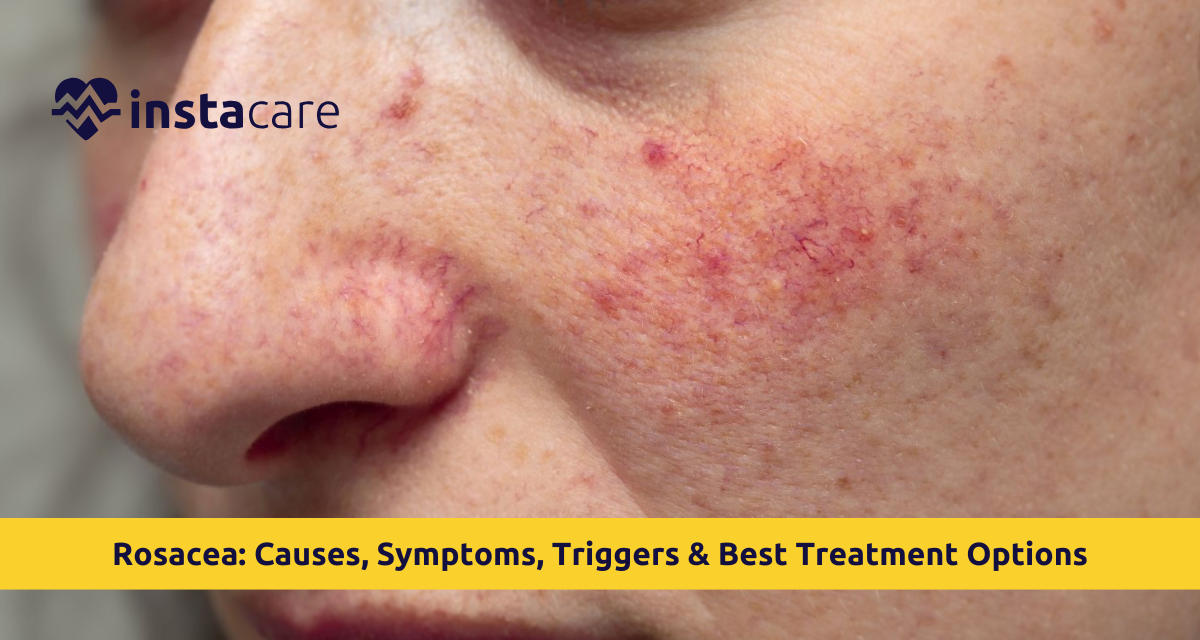
Credit: instacare.pk
Treatment for Rosacea
There is no cure for rosacea. But many treatments help control it. Treatment aims to reduce redness and bumps. It also helps stop flare-ups.
Common Treatments Include:
- Topical creams or gels: These are applied on the skin to reduce redness and pimples.
- Oral antibiotics: Medicines taken by mouth to reduce inflammation.
- Laser therapy: Light treatment to reduce visible blood vessels and redness.
- Eye drops or medicines: For those with eye rosacea.
Doctors choose the best treatment based on symptoms.
How to Care for Your Skin with Rosacea
Taking good care of your skin can help manage rosacea. Here are simple tips:
- Use gentle, fragrance-free cleansers.
- Avoid scrubbing your face hard.
- Apply sunscreen daily with at least SPF 30.
- Wear a wide-brimmed hat when outside.
- Use moisturizer to keep skin soft.
- Avoid triggers like spicy food, hot drinks, and alcohol.
- Keep a diary to learn what causes your flare-ups.
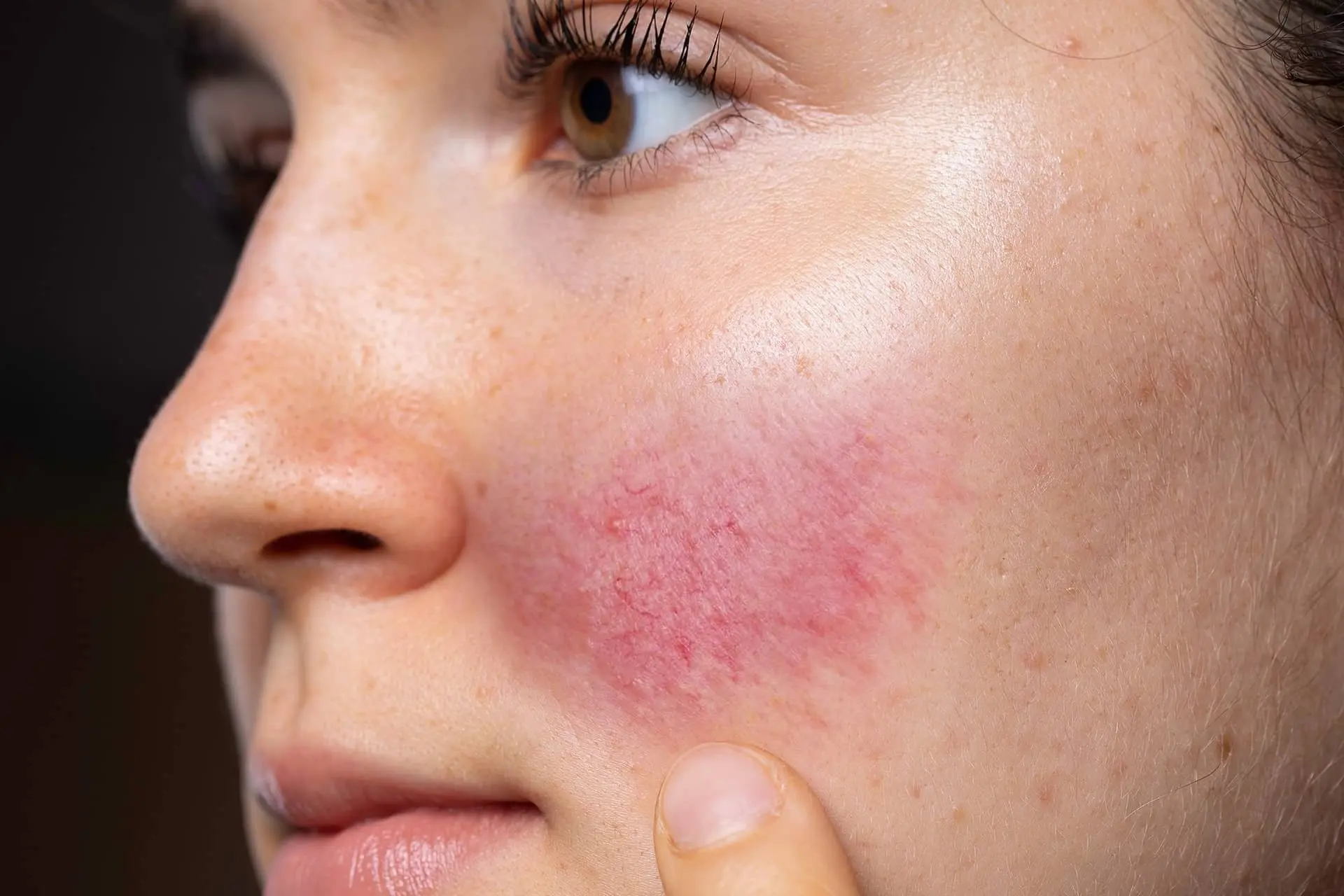
Credit: www.neutrogena-me.com
Living with Rosacea
Rosacea can feel frustrating. But with care, you can live well.
Remember these points:
- Rosacea is common and nothing to be ashamed of.
- Many people manage rosacea successfully.
- Good skin care and doctor help are key.
- Be patient. Treatments take time to work.
- Talk openly about your skin. Support helps.
Summary
Rosacea is a skin condition that causes redness and bumps. It mostly affects the face. It is more common in adults with fair skin. The exact cause is unknown. Many things can make it worse, like sun or spicy food. Rosacea has four types, including one that affects the eyes.
Doctors diagnose rosacea by looking at skin signs. There is no cure, but treatments help. Gentle skin care and avoiding triggers are important. Living with rosacea needs patience and support.
If you think you have rosacea, see a doctor. They can guide you to feel better.
Frequently Asked Questions
What Causes Rosacea To Develop On The Skin?
Rosacea happens due to blood vessel problems and skin inflammation. Genetics and triggers also play a role.
Can Rosacea Be Cured Completely Or Just Managed?
Rosacea cannot be fully cured but can be controlled with treatment and lifestyle changes.
What Are The Common Symptoms Of Rosacea To Watch For?
Redness, visible blood vessels, bumps, and swelling on the face are common signs.
Does Rosacea Affect Only Adults Or Children Too?
Rosacea mostly affects adults, especially between 30 to 50 years old.