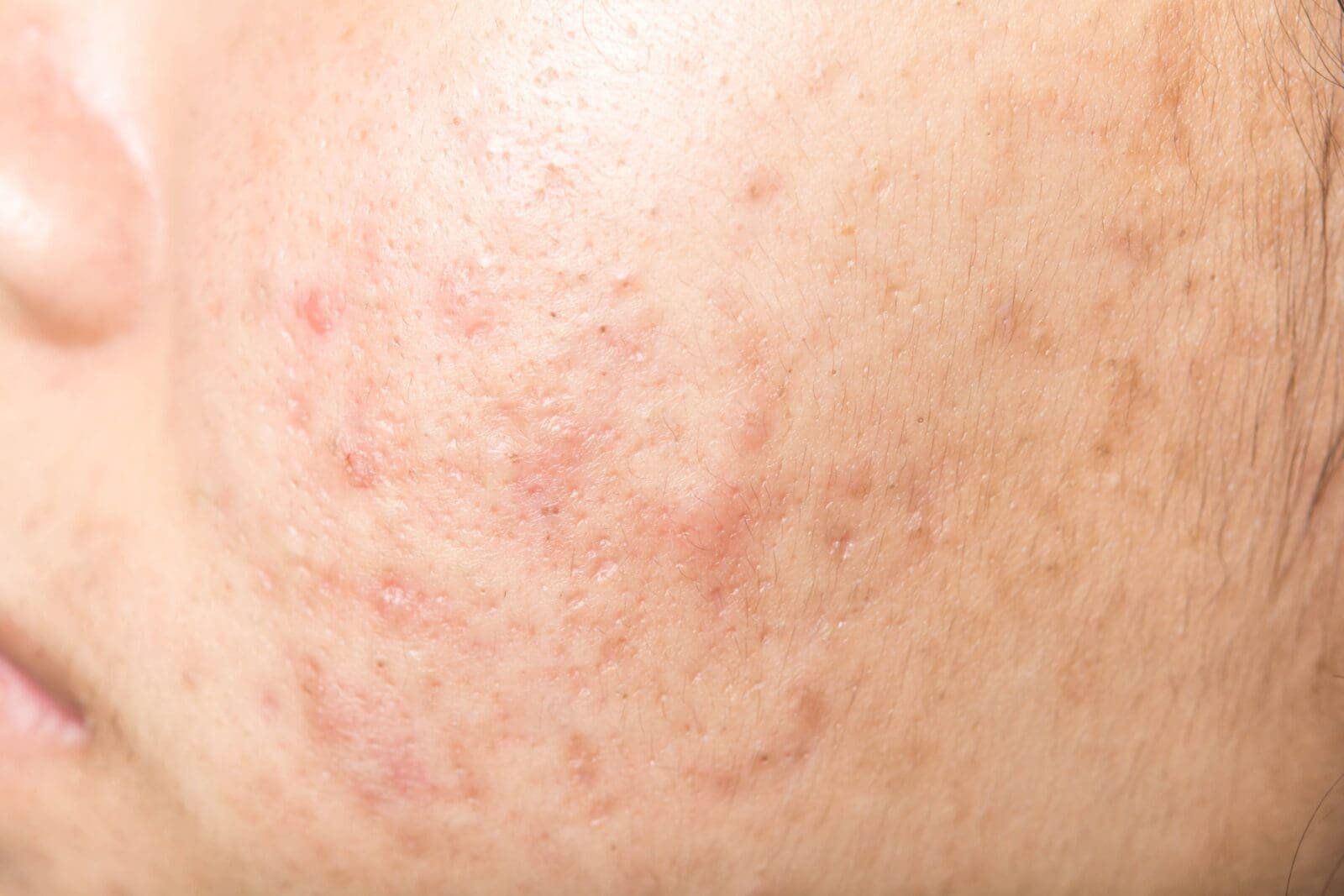
Seborrheic dermatitis on the face is hard to live with. It causes red patches, flakes, and itching. I had this problem for a long time. It made me feel uncomfortable and self-conscious. But I found ways to reduce it. In this article, I will share how I cured seborrheic dermatitis on my face.
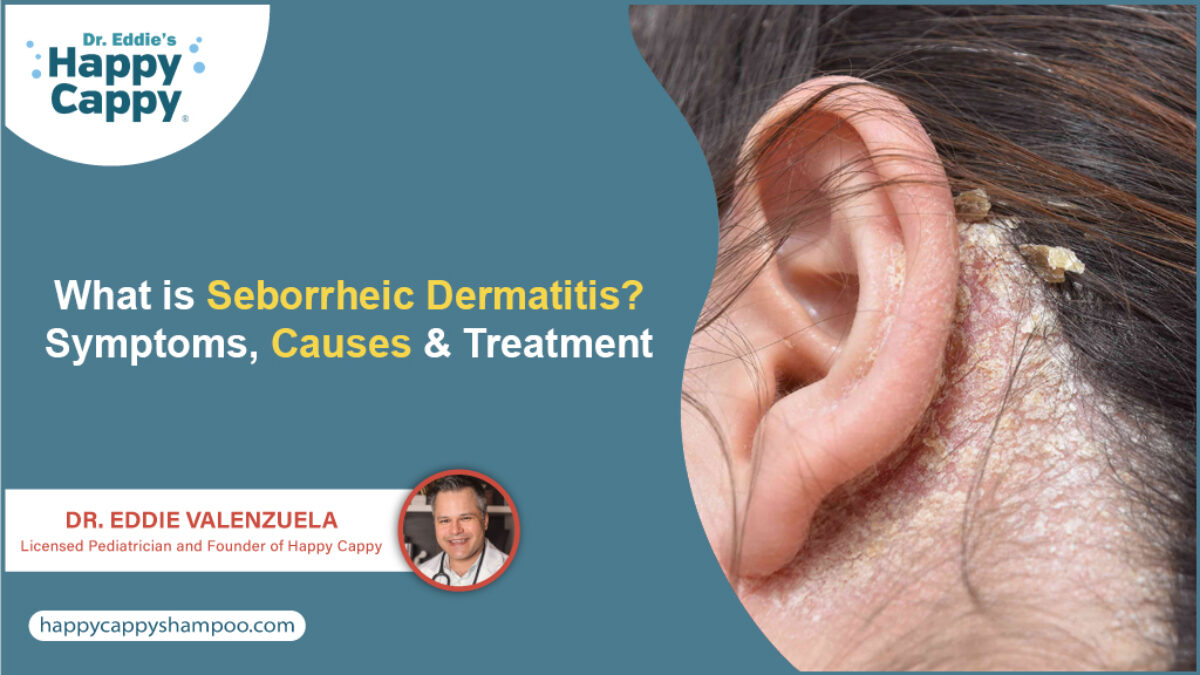
Credit: happycappyshampoo.com
What Is Seborrheic Dermatitis?
Seborrheic dermatitis is a skin condition. It causes redness, flaking, and sometimes itching. It happens when your skin makes too much oil. A type of yeast grows on oily skin. This yeast causes irritation and flakes. Many people get seborrheic dermatitis on the face. It is common on the nose, eyebrows, and forehead.
How Seborrheic Dermatitis Affected Me
My face had red patches and white flakes. The skin was dry and itchy. Sometimes, it felt sore. I tried some creams, but they did not help much. I wanted to find a way to make my skin better. So I learned about seborrheic dermatitis and how to treat it.
Steps I Took to Cure Seborrheic Dermatitis
1. I Cleaned My Face Gently
Harsh soaps can make seborrheic dermatitis worse. I stopped using strong soaps and face washes. Instead, I used a gentle cleanser. The cleanser did not dry my skin. I washed my face twice a day with it. This helped remove dirt and excess oil.
2. I Used Medicated Shampoos On My Face
At first, this sounded strange. But many shampoos help seborrheic dermatitis. I found shampoos with ketoconazole or zinc pyrithione. These ingredients fight the yeast that causes the problem. I put a small amount on my face. I left it for a few minutes and then washed it off. I did this two or three times a week.
3. I Applied Moisturizer Daily
Dry skin makes seborrheic dermatitis worse. I used a light moisturizer every day. It helped keep my skin soft. I chose a moisturizer without fragrance or alcohol. This stopped my skin from feeling tight and dry.
4. I Avoided Scratching And Rubbing
Sometimes, my skin itched a lot. But I tried not to scratch. Scratching makes the skin red and sore. It can also cause infection. Instead, I gently patted my face when it itched.
5. I Changed My Diet A Little
Some foods can make skin problems worse. I ate less sugar and fried food. I added more fruits and vegetables. Drinking water helped too. Healthy food made my skin heal faster.
6. I Reduced Stress
Stress can cause skin problems. When I was stressed, my dermatitis got worse. I tried to relax by walking and listening to music. Sleep helped me feel better too. Managing stress was very important.
7. I Saw A Doctor For Advice
At first, I tried home care. But the problem did not go away fully. I visited a skin doctor. The doctor gave me a mild steroid cream. This cream helped reduce redness and itching. I used it for a short time. Then I stopped using it as the doctor said.
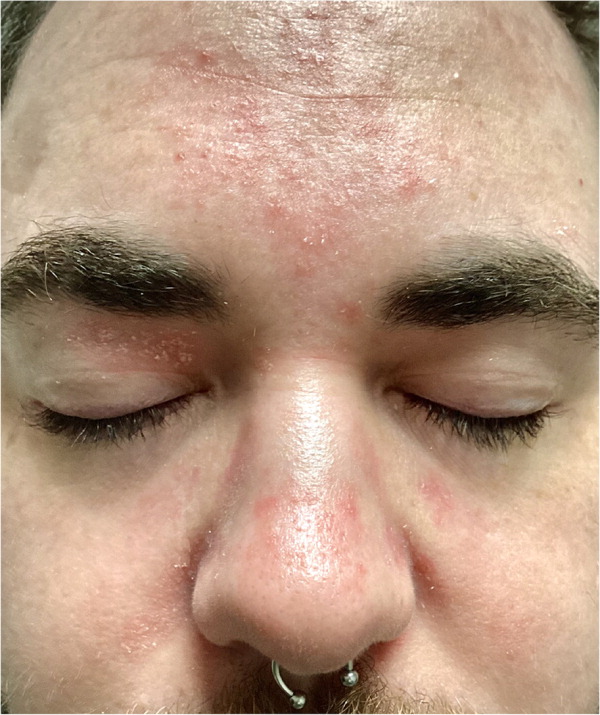
Credit: www.aafp.org
What I Learned From This Experience
- Seborrheic dermatitis can be controlled with care.
- Using gentle skin products is very important.
- Medicated shampoos work well on the face.
- Moisturizing keeps skin healthy and soft.
- Stress and diet affect skin health.
- Doctors can help if home care is not enough.
My Routine That Helped Me
| Time | Action |
|---|---|
| Morning | Wash face with gentle cleanser |
| Morning | Apply light moisturizer |
| Evening | Wash face with gentle cleanser |
| Evening (2-3 times a week) | Use medicated shampoo on face, rinse well |
| Evening | Apply prescribed cream if needed |
Tips to Prevent Seborrheic Dermatitis From Coming Back
- Keep your face clean but do not over-wash.
- Use gentle skincare products always.
- Moisturize your skin daily.
- Eat healthy food and drink water.
- Try to reduce stress with relaxation.
- Avoid scratching your face.
- Visit a doctor if symptoms return.
Final Thoughts
Seborrheic dermatitis is not easy to cure. But with care, it can get better. I learned patience and how to take care of my skin. Using gentle products and medicated shampoos helped me a lot. Changing my habits also made a difference. If you have this problem, try these steps. Remember, every skin is different. What worked for me might help you too. But seeing a doctor is always a good idea. Take care of your skin. You deserve to feel comfortable in your face.
Frequently Asked Questions
What Is Seborrheic Dermatitis On The Face?
It is a common skin condition causing redness, flakes, and itching on the face.
How Can I Tell If I Have Seborrheic Dermatitis?
Look for red, scaly patches with oily flakes, usually around the nose and eyebrows.
What Home Remedies Help Cure Seborrheic Dermatitis?
Using gentle cleansers, moisturizing, and applying natural oils like coconut oil can help.
Can Diet Affect Seborrheic Dermatitis On The Face?
Yes, avoiding sugar and processed foods may reduce flare-ups.