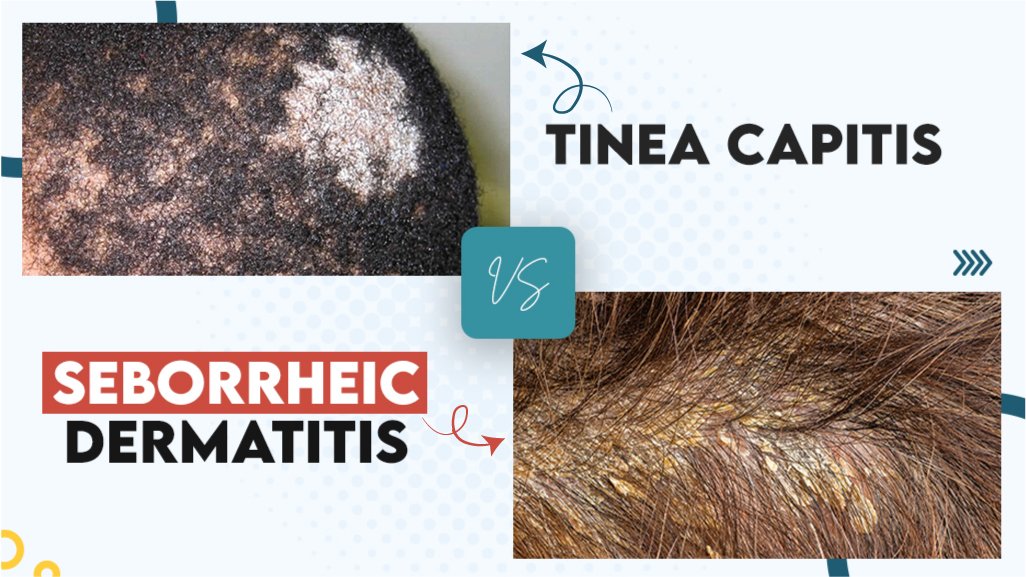
Seborrheic dermatitis is a common skin condition. It causes red, itchy, and flaky skin. You may see white or yellow flakes on your scalp. Sometimes, it can also affect your face, chest, or other parts of your body. Many people want to know how to cure seborrheic dermatitis. This article will explain simple and easy ways to help you manage this condition.
What Is Seborrheic Dermatitis?
Seborrheic dermatitis is a type of eczema. It happens when the skin becomes oily and inflamed. The skin cells grow too fast and shed quickly. This causes flakes or scales. The exact cause is not clear. But doctors believe it is linked to a yeast called Malassezia. This yeast lives on the skin naturally. Sometimes it grows too much and causes irritation.
Other factors that can make seborrheic dermatitis worse include:
- Stress
- Cold and dry weather
- Oily skin
- Hormonal changes
- Weak immune system
Signs and Symptoms to Watch
You should know the signs of seborrheic dermatitis. They include:
- Red patches of skin
- White or yellow flakes on the scalp
- Itchy and sore skin
- Oily or greasy skin
- Crusty or scaly areas
If you see these signs, you can try some treatments. The goal is to reduce redness, itching, and flakes.
How to Treat Seborrheic Dermatitis
There is no cure that works for everyone. But many treatments help control symptoms. Here are some easy ways to treat seborrheic dermatitis.
1. Use Medicated Shampoos
Medicated shampoos are often the first step. They help remove flakes and reduce yeast on the scalp.
Common ingredients in these shampoos include:
| Ingredient | How It Helps |
|---|---|
| Zinc pyrithione | Fights yeast and reduces inflammation |
| Selenium sulfide | Slows skin cell growth and kills fungus |
| Ketoconazole | Strong antifungal that controls yeast |
| Coal tar | Slows skin cell growth and reduces flaking |
| Salicylic acid | Removes dead skin and reduces scaling |
Use the shampoo as directed on the label. Usually, you wash your hair 2-3 times a week. Leave the shampoo on your scalp for 5-10 minutes before rinsing. This helps it work better.
2. Keep Your Skin Clean
Wash your face and other affected areas daily. Use a gentle cleanser with no strong chemicals. Harsh soaps can make your skin worse.
Pat your skin dry. Avoid rubbing it hard. Rubbing can irritate your skin more.
3. Use Moisturizers
Dry skin can make itching worse. Use a simple moisturizer after washing. Choose a product without perfume or alcohol.
Look for moisturizers with ingredients like:
- Glycerin
- Ceramides
- Shea butter
These help keep your skin soft and hydrated. Apply moisturizer gently on affected areas.
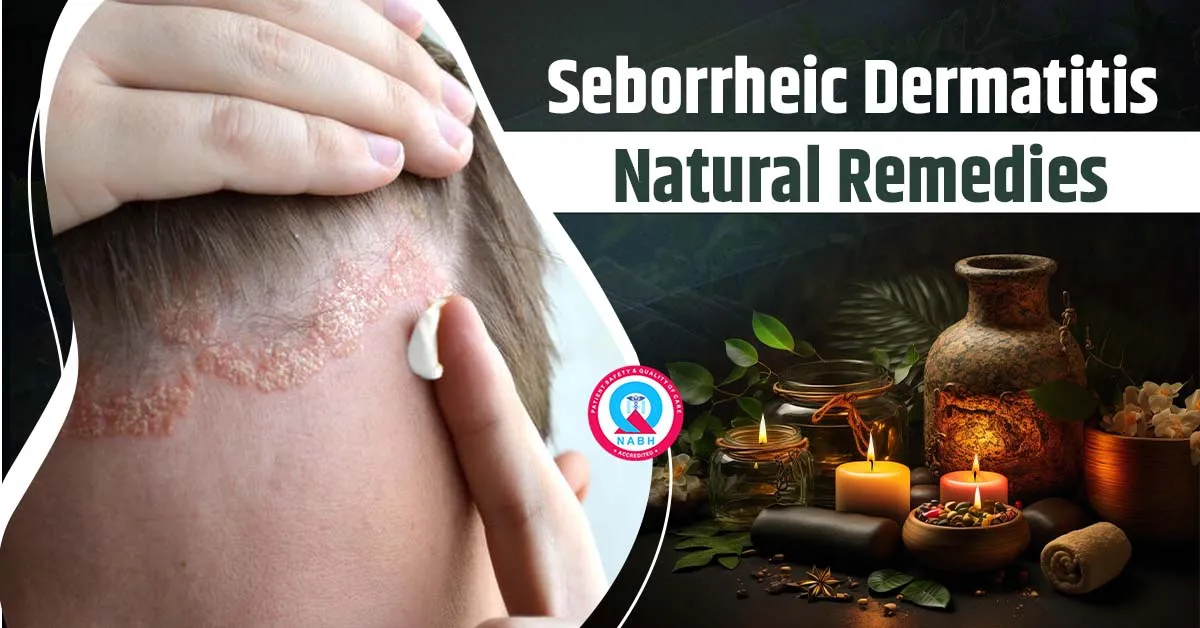
4. Try Natural Remedies
Some people find natural remedies helpful. They can soothe skin and reduce flakes.
Here are some natural options:
- Coconut oil: It has antifungal properties. Apply a small amount on your scalp. Leave for 30 minutes, then wash off.
- Aloe vera: Soothes itchy and inflamed skin. Use pure aloe gel on affected areas.
- Tea tree oil: Has antifungal effects. Mix a few drops with a carrier oil. Apply carefully to avoid irritation.
Always test natural oils on a small skin area first. Stop if you get redness or burning.
5. Avoid Triggers
Try to avoid things that make symptoms worse. These include:
- Stress and lack of sleep
- Harsh hair products
- Hot showers
- Cold, dry weather
- Wearing hats or helmets for long times
Managing these can help reduce flare-ups.
6. Use Anti-inflammatory Creams
Sometimes, doctors suggest creams to reduce redness and itching. These include mild steroid creams or antifungal creams.
Use these creams only as your doctor says. Overuse can harm your skin.
7. Keep Hair And Skin Dry
Yeast grows well on oily and wet skin. Try to keep your scalp and skin dry.
After washing, dry your hair well. Avoid wearing tight hats or scarves that trap sweat.
Credit: www.karmaayurveda.com
How Long Does It Take to Heal?
Seborrheic dermatitis is a long-term condition. It may come and go. Treatment helps control symptoms but does not cure it completely.
You may see improvement in 2-4 weeks with treatment. But sometimes symptoms return.
Keep using treatments even when your skin looks better. This helps prevent flare-ups.

Credit: happycappyshampoo.com
When to See a Doctor
If your symptoms are severe or do not improve, see a doctor. You may need stronger treatments.
Also, if you notice signs of infection, such as:
- Increased redness
- Swelling
- Pus or oozing
- Fever
Get medical help right away.
Summary
Seborrheic dermatitis can be uncomfortable. But you can manage it well. Use medicated shampoos and keep your skin clean. Moisturize often and try natural remedies if you want. Avoid triggers like stress and harsh products. Keep your skin dry and healthy. Follow these steps regularly.
Remember, seborrheic dermatitis is a condition you control. It may not fully go away, but you can live comfortably. If you need help, talk to a healthcare provider.
Frequently Asked Questions
What Is The Fastest Way To Cure Seborrheic Dermatitis?
Using medicated shampoos with antifungal ingredients helps reduce symptoms quickly.
Can Diet Changes Help Treat Seborrheic Dermatitis?
Eating less sugar and processed foods can reduce flare-ups.
How Often Should I Wash My Hair For Seborrheic Dermatitis?
Washing hair 2-3 times a week with a medicated shampoo is best.
Are Natural Remedies Effective For Seborrheic Dermatitis?
Some natural oils like tea tree oil may soothe skin but results vary.