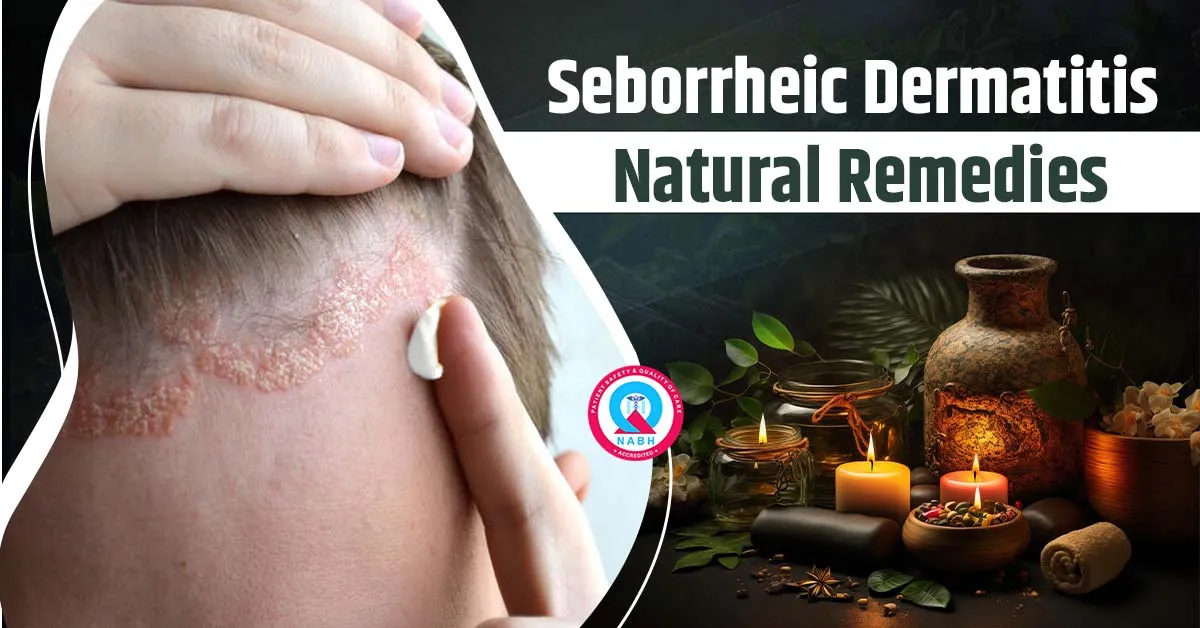
Seborrheic dermatitis is a common skin problem. It causes redness, itching, and flakes on the scalp. Many people find it hard to deal with. But there are ways to treat it and feel better.
What Is Seborrheic Dermatitis?
Seborrheic dermatitis is a skin condition. It makes the scalp oily and flaky. Sometimes, it looks like dandruff but is different. The skin can become red and itchy. It can affect other parts like the face and chest too.
The exact cause is not clear. But it may happen because of a yeast that grows on the skin. Also, oily skin and stress can make it worse.

Credit: www.amazon.com
Signs and Symptoms
- White or yellow flakes on the scalp
- Red and oily skin patches
- Itching and burning feeling
- Skin may crack or bleed in bad cases
How to Treat Seborrheic Dermatitis on Scalp
Treatment can help control the symptoms. It may not cure the condition fully, but it keeps it under control. Here are some easy and helpful ways to treat it.
1. Use Medicated Shampoos
Special shampoos help reduce flakes and oil. You can find shampoos with these ingredients:
| Ingredient | How It Helps |
|---|---|
| Zinc Pyrithione | Kills yeast and reduces inflammation |
| Selenium Sulfide | Slows down skin cell death and fights fungus |
| Ketoconazole | Strong antifungal that controls yeast growth |
| Coal Tar | Slows skin cell buildup and reduces itching |
| Salicylic Acid | Helps remove flakes and dead skin |
Use the shampoo as the label says. Usually, you need to leave it on the scalp for 5 minutes before rinsing.
2. Keep Your Scalp Clean
Wash your hair regularly to remove oil and flakes. But do not wash too much. Washing hair 2-3 times a week is good. Use a gentle shampoo if you have sensitive skin.
3. Moisturize Your Scalp
Sometimes, seborrheic dermatitis makes skin dry and tight. You can use light oils or creams to keep skin soft. Coconut oil or aloe vera gel may help soothe the scalp.
4. Avoid Harsh Hair Products
Hair sprays, gels, or dyes can irritate the scalp. Try not to use these when you have seborrheic dermatitis. Choose gentle, fragrance-free products instead.
5. Manage Stress
Stress can make seborrheic dermatitis worse. Try to relax and sleep well. Simple exercises and hobbies can reduce stress.
6. Avoid Scratching
Itching is a big problem. But scratching can hurt the skin. It may cause infections and make things worse. Instead, gently pat or massage the scalp.
7. Use Home Remedies
Some natural ways may help ease symptoms:
- Tea Tree Oil: Mix a few drops with shampoo. It fights fungus and reduces itching.
- Apple Cider Vinegar: Dilute with water and rinse scalp. It balances scalp pH and removes flakes.
- Olive Oil: Apply a small amount to soften flakes before shampooing.
Always test a small skin area first to avoid irritation.
8. See A Doctor If Needed
If home care does not help, visit a doctor. A doctor may prescribe strong creams or shampoos. Sometimes, oral medicines are needed.
Do not ignore severe redness, swelling, or pain. These signs need medical attention.

Credit: happycappyshampoo.com
Tips to Prevent Seborrheic Dermatitis Flare-Ups
Prevention is better than cure. You can avoid flare-ups by following these tips:
- Keep your scalp clean but not too dry.
- Use medicated shampoos regularly if advised.
- Avoid oily and greasy hair products.
- Manage stress with relaxation techniques.
- Eat a healthy diet with fruits and vegetables.
- Protect your scalp from cold and dry weather.
When to See a Doctor
See a doctor if:
- Your scalp is very red or swollen.
- You have pain or pus on the scalp.
- Home treatments do not improve symptoms.
- Itching stops you from sleeping or working.
Early treatment can stop the condition from getting worse.
Summary
Seborrheic dermatitis on the scalp can be uncomfortable. But many treatments can help. Use medicated shampoos and keep scalp clean. Avoid harsh products and manage stress. Try home remedies carefully. See a doctor if symptoms are bad. With care, you can control seborrheic dermatitis well.
Remember, patience is key. Treatments may take time to work. Keep your scalp healthy for best results.
Frequently Asked Questions
What Is Seborrheic Dermatitis On The Scalp?
It is a common skin condition causing red, itchy, flaky scalp patches.
How Can I Relieve Itching From Seborrheic Dermatitis?
Use medicated shampoos with ingredients like ketoconazole or zinc pyrithione.
Can Seborrheic Dermatitis Cause Hair Loss?
Yes, irritation may lead to temporary hair thinning, but hair usually grows back.
How Often Should I Wash My Hair With Seborrheic Dermatitis?
Wash 2-3 times a week using gentle, medicated shampoos to control flakes.