
Eczema is a skin problem. It makes the skin red, itchy, and dry. Many people want to cure eczema forever. But is it possible? This article talks about how to manage eczema well. It also shares tips to reduce flare-ups. You will learn easy steps to help your skin feel better.
Credit: mfm.au
What Is Eczema?
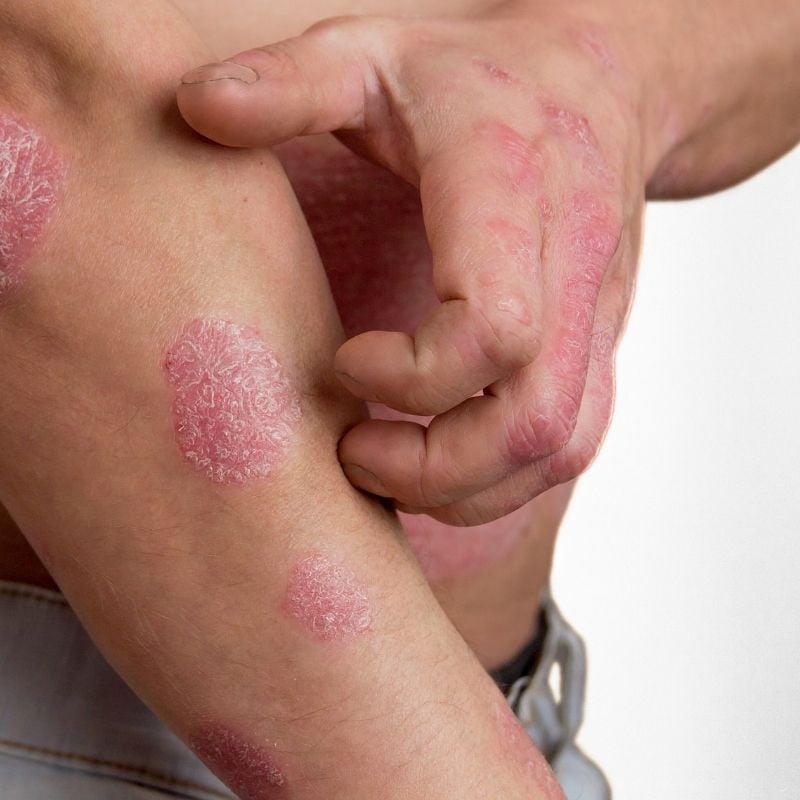
Eczema is a common skin condition. It causes inflammation on the skin. This means your skin becomes red, swollen, and itchy. Sometimes, the skin can crack or peel. Eczema can happen on any part of the body. Many children and adults have eczema.
The exact cause of eczema is not known. But doctors say it is linked to the immune system. Your skin reacts too much to certain things. These things can be dust, soaps, or food. When your skin meets these triggers, eczema gets worse.
Can Eczema Be Cured Forever?
Many people ask if eczema can be cured forever. The truth is eczema is a long-term condition. It may come and go over time. But you can control eczema well. You can stop flare-ups and help your skin heal. With good care, eczema will not disturb you much.
Permanent cure means eczema never returns. So far, there is no medicine that cures eczema forever. But you can live with little or no eczema if you follow some steps. These steps help your skin stay healthy.
How to Manage Eczema Well
1. Keep Your Skin Moisturized
Dry skin makes eczema worse. Always keep your skin soft and moist. Use gentle creams or ointments. Apply them after bathing and during the day. Moisturizers help to protect your skin barrier. This stops dryness and itching.
Choose a moisturizer that suits your skin. Avoid those with perfumes or alcohol. These can irritate your skin. Use thick creams or ointments for very dry skin. Apply moisturizer at least twice every day.
2. Avoid Things That Trigger Eczema
Many things can make eczema flare up. These are called triggers. Common triggers are soaps, detergents, dust, pollen, and some foods. Identify what causes your eczema to get worse. Then, try to avoid these triggers as much as possible.
For example, use mild soaps without strong smell. Wear soft clothes made of cotton. Avoid wool or rough fabrics. Keep your home clean to reduce dust. Also, avoid scratching your skin. Scratching can make eczema worse and cause infection.
3. Take Care When Bathing
Bathing is important but it can affect your skin. Use lukewarm water, not hot water. Hot water dries the skin. Use mild, fragrance-free soap. Do not use too much soap. After bathing, pat your skin dry with a soft towel. Do not rub hard.
Apply moisturizer right after drying. This helps lock moisture in your skin. Try to keep baths short, about 10 minutes or less.
4. Use Medicines As Doctor Advises
Sometimes, eczema needs medicines to control. Doctors may give creams or ointments with steroids. These help reduce redness and itching. Use them only as your doctor says. Do not use steroid creams for a long time without advice.
There are also non-steroid creams that can help. If eczema is severe, your doctor may suggest other medicines. Always follow your doctor’s instructions. Never stop medicines suddenly without talking to your doctor.
5. Manage Stress
Stress can make eczema worse. When you feel worried or upset, your skin may flare. Try to stay calm and relax. Do things you enjoy. Talk to friends or family. Exercise or take deep breaths. Managing stress helps your skin stay healthy.
6. Eat Healthy Food
Your diet can affect your eczema. Eat fresh fruits and vegetables. Drink plenty of water. Avoid foods that cause allergy for you. Some common foods that cause eczema are eggs, nuts, and dairy. Talk to your doctor if you think food causes your eczema.
Credit: mfm.au
Natural Remedies to Help Eczema
Many people try natural remedies to soothe eczema. These can help reduce itching and dryness. But always talk to your doctor before trying new remedies. Here are some safe options:
- Coconut Oil: Helps moisturize and reduce bacteria on skin.
- Oatmeal Baths: Soothes itchy and inflamed skin.
- Aloe Vera Gel: Cools skin and helps healing.
- Honey: Has natural antibacterial properties.
Use these remedies gently. Stop if your skin gets worse.
Tips to Prevent Eczema Flare-Ups
To keep eczema away, follow these tips:
| Tip | Why It Helps |
|---|---|
| Wear soft cotton clothes | Prevents skin irritation and itching |
| Avoid long hot showers | Prevents drying of skin |
| Use fragrance-free skincare products | Reduces skin irritation |
| Keep nails short | Stops skin damage from scratching |
| Keep your home dust-free | Reduces allergy triggers |
| Drink plenty of water | Keeps skin hydrated |
| Manage stress well | Reduces eczema flare-ups |
When to See a Doctor
If eczema is very bad or painful, see a doctor. You may need stronger treatment. Also, see a doctor if your skin has signs of infection. These signs include pus, swelling, or fever. Early treatment can stop problems from getting worse.
Summary
Eczema cannot be cured permanently yet. But you can manage it well. Keep your skin moist and avoid triggers. Use medicines as your doctor says. Take care of your skin when you bathe. Eat healthy and manage stress. Natural remedies can help soothe your skin.
With these steps, you can live comfortably. Eczema will cause less trouble. Your skin can stay healthy and happy.
Frequently Asked Questions
Can Eczema Be Cured Permanently With Natural Remedies?
Natural remedies help reduce symptoms but do not guarantee a permanent eczema cure.
What Lifestyle Changes Help Manage Eczema Long-term?
Avoid irritants, moisturize skin daily, and reduce stress for better eczema control.
Does Diet Affect Eczema Flare-ups Permanently?
Certain foods may trigger eczema; a healthy diet supports skin health and reduces flare-ups.
Can Eczema Disappear Completely Over Time?
Eczema can improve or go away but may return, especially without proper care.