
Knowing your skin type helps you take better care of your skin. It guides you to pick the right products. Also, it helps to keep your skin healthy and glowing. But how do you know your skin type? This article will explain simple ways to find out.
Why Knowing Your Skin Type Is Important
Skin needs different care based on its type. Using wrong products can cause problems. For example, oily skin needs different cleansers than dry skin. If you do not know your skin type, you may waste money on products that do not help. Also, wrong products can cause breakouts or dryness.

Credit: banilausa.com
Four Main Skin Types
There are four common skin types. They are:
- Normal skin
- Dry skin
- Oily skin
- Combination skin
Each skin type has special signs. Read on to learn how to find yours.
Step 1: Clean Your Face
First, wash your face with a gentle cleanser. Use lukewarm water. Do not scrub hard. Pat your face dry with a soft towel.
Wait for one hour. Do not put any creams, oils, or makeup. This waiting time helps your skin return to its natural state. Now, you are ready to check your skin type.
Step 2: Observe Your Skin
Look at your face in natural light. Notice these things:
- Is your skin tight or smooth?
- Is it shiny or matte?
- Do you feel dry or oily?
- Are there dry patches or redness?
Write down what you see and feel.
Step 3: The Blotting Paper Test
If you want to be sure, try the blotting paper test. Take a clean piece of blotting paper or tissue. Press it gently on different parts of your face: forehead, nose, cheeks, and chin.
Look at the paper after you remove it. Check how much oil is on it.
| Blotting Paper Result | Skin Type | Description |
|---|---|---|
| Little to no oil | Dry Skin | Skin feels tight and flaky. Looks dull. |
| Oil from forehead and nose only | Combination Skin | Oily T-zone; cheeks are dry or normal. |
| Oil all over the paper | Oily Skin | Skin looks shiny. Pores may be large. |
| Small amount of oil | Normal Skin | Skin feels balanced, smooth, and comfortable. |
Step 4: Check for Sensitivity
Sensitivity is not a skin type but a skin condition. Sensitive skin can be dry, oily, or normal. It feels itchy, red, or burns easily.
If you see redness or feel discomfort after using some products, your skin may be sensitive.
Signs of Different Skin Types
Normal Skin
- Not too oily or dry
- Few or no blemishes
- Small pores
- Soft and smooth texture
- Feels comfortable all day
Dry Skin
- Feels tight, especially after washing
- Flaky or rough patches
- Dull appearance
- Small pores
- May have red or irritated spots
Oily Skin
- Shiny or greasy look
- Large or visible pores
- Prone to acne or blackheads
- Skin feels thick or coarse
- Oil appears quickly after washing
Combination Skin
- Oily in T-zone (forehead, nose, chin)
- Dry or normal cheeks
- Shiny forehead and nose
- Dry patches on cheeks
- Mixed skin texture
Tips for Checking Skin Type at Home
- Do the test in the morning before applying products.
- Use gentle products to avoid irritation.
- Repeat the test after a few days to confirm.
- Consider weather changes; skin can change with seasons.
- Ask a friend to help you observe your skin.
Remember: Skin Can Change
Your skin type may change over time. Age, diet, climate, and health affect skin. For example, skin may get drier in winter and oilier in summer. Pay attention to your skin regularly. Adjust your care routine as needed.
What to Do After Finding Your Skin Type
Now that you know your skin type, choose products carefully. Use products made for your skin. For example:
- Dry skin: Use hydrating creams and gentle cleansers.
- Oily skin: Use oil-free, mattifying products.
- Combination skin: Use gentle cleansers and balance moisture.
- Normal skin: Maintain with mild products.
Always patch test new products before full use.
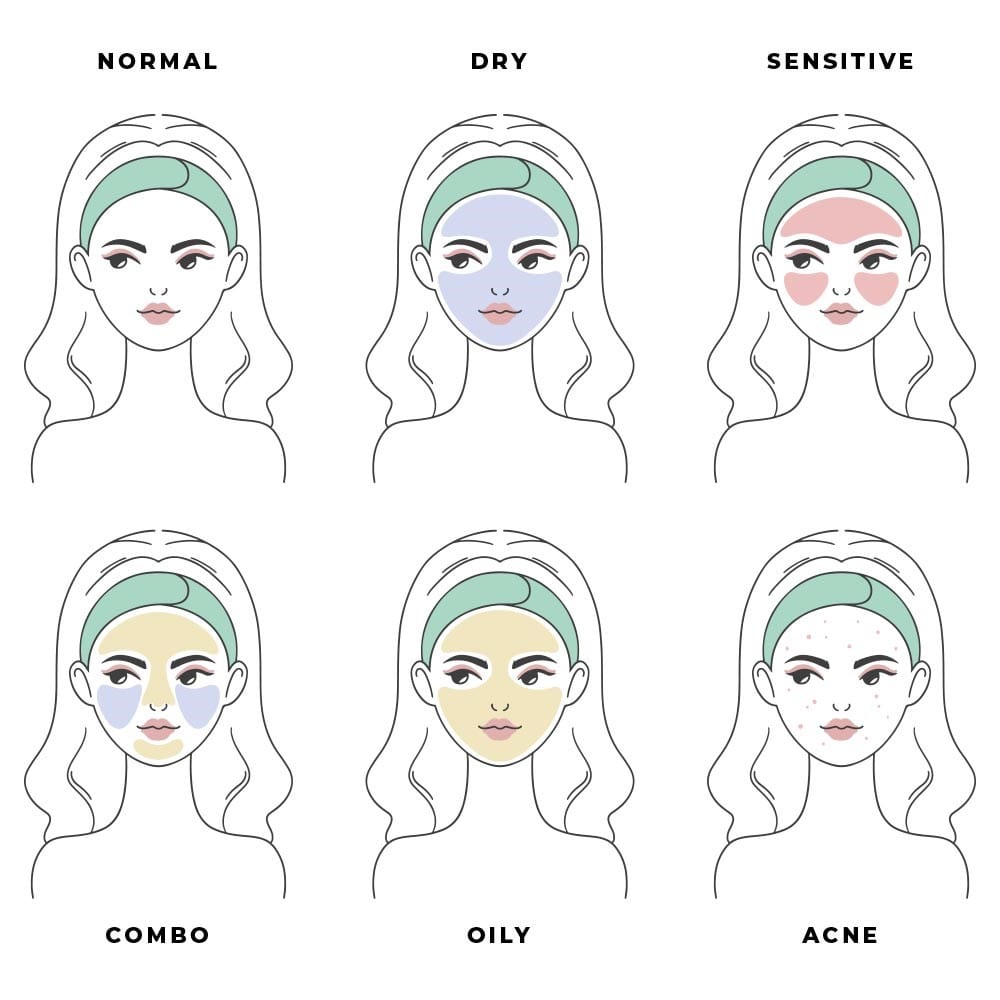
Credit: chicnutrix.com
Frequently Asked Questions
How Can I Tell If My Skin Is Oily Or Dry?
Oily skin feels shiny and greasy. Dry skin feels rough and flaky.
What Is The Easiest Way To Find My Skin Type?
Wash your face, wait one hour, then check how it feels and looks.
Does Skin Type Change With Age?
Yes, skin can become drier or oilier as you get older.
Can Weather Affect My Skin Type?
Yes, cold weather can dry your skin, and hot weather can make it oily.
Conclusion
Determining your skin type is simple. Clean your face, wait, and observe. Use the blotting paper test to help. Watch how your skin feels and looks. Knowing your skin type helps you care for it better. It keeps your skin healthy and happy.
Take your time. Be gentle with your skin. Your skin will thank you.