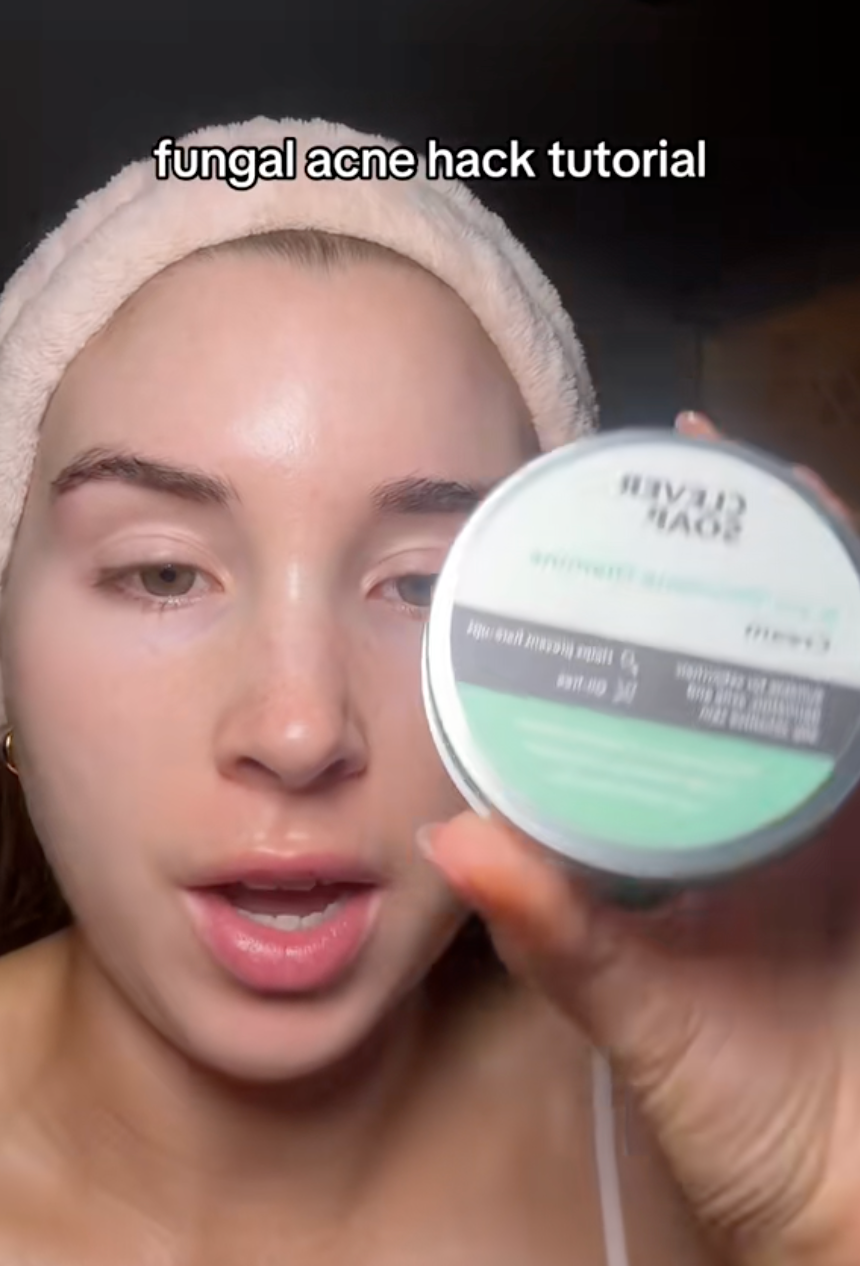
Fungal acne is a skin problem that many people face. It looks like small red bumps on the face or body. These bumps can be itchy and annoying. But the good news is you can get rid of fungal acne with the right steps.
What is Fungal Acne?
Fungal acne is not the same as regular acne. It is caused by a fungus, not bacteria. This fungus lives on our skin naturally. Sometimes, it grows too much and causes problems. When this happens, you get fungal acne.
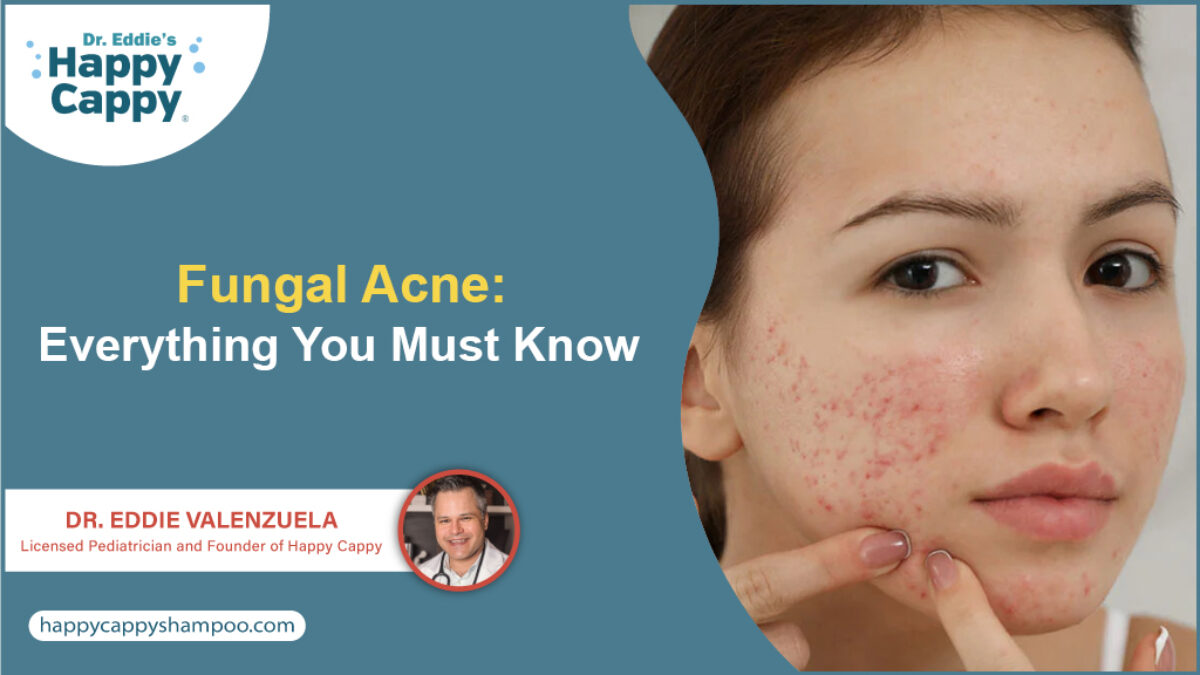
It often appears as small, itchy red bumps. They can be on the forehead, chest, back, or shoulders. Fungal acne is also called Malassezia folliculitis.
Why Does Fungal Acne Happen?
There are many reasons why fungal acne can start:
- Wearing sweaty clothes for a long time
- Using oily skin products
- Taking antibiotics for a long time
- Living in hot and humid places
- Having a weak immune system
These things make the fungus grow faster. When the fungus grows too much, it blocks hair follicles. This causes the bumps on the skin.
How to Tell If You Have Fungal Acne
It is important to know if you have fungal acne or normal acne. They look similar but need different care.
Here are some signs of fungal acne:
| Sign | Description |
|---|---|
| Small red bumps | Bumps are tiny and often itchy. |
| Location | Usually on forehead, chest, back, or shoulders. |
| Does not improve with regular acne treatment | Normal acne medicines may not work. |
| Worsens in hot, humid weather | Fungal acne grows more in sweat and heat. |

Credit: natalieoneilll.com
Steps to Get Rid of Fungal Acne
Now, let’s learn how to treat fungal acne. Follow these simple steps for clear skin.
1. Clean Your Skin Gently
Wash your face twice a day. Use a gentle cleanser that does not have oil. Avoid scrubbing hard. This can irritate your skin and make fungal acne worse.
Look for cleansers with ingredients like salicylic acid or zinc pyrithione. These help reduce fungus and clean the skin well.
2. Use Anti-fungal Products
Anti-fungal creams or shampoos can help kill the fungus. You can find products with ketoconazole or selenium sulfide. These stop fungus from growing.
Apply them to the affected area once or twice a day. Use as directed on the package. Do not use too much. Too much can harm your skin.
3. Avoid Oily Skin Products
Oily creams, lotions, and sunscreens can make fungal acne worse. They give food to the fungus. Instead, use oil-free and non-comedogenic products. These will not block pores or feed fungus.
4. Keep Your Skin Dry
Fungus loves moisture. Keep your skin dry, especially after sweating. Change sweaty clothes quickly. Use a clean towel to pat your skin dry.
5. Wear Breathable Clothes
Choose clothes made from cotton or other natural fibers. These let your skin breathe. Avoid tight and synthetic clothes. They trap sweat and heat, helping fungus grow.
6. Avoid Hot And Humid Places
Fungal acne grows faster in heat and humidity. Try to stay in cool, dry places. Use a fan or air conditioner if possible. This helps reduce sweat and fungus growth.
7. Use A Mild Exfoliant
Exfoliating helps remove dead skin cells. This can stop fungus from growing in clogged pores. Use a mild exfoliant once or twice a week. Avoid harsh scrubs.
8. Don’t Pick Or Scratch
Picking or scratching the bumps can spread fungus. It can also cause scars or infections. Keep your hands away from your face.
Credit: happycappyshampoo.com
How Long Does It Take to Heal?
Treatment for fungal acne takes time. You may see improvement in 2 to 4 weeks. But complete healing can take 6 to 8 weeks. Be patient and consistent with your care.
If your fungal acne does not get better, see a doctor. You might need stronger medicine.
Foods to Eat and Avoid
What you eat can affect your skin. Some foods help reduce fungus, while others can make it worse.
| Foods to Eat | Foods to Avoid |
|---|---|
| Yogurt with live cultures | Sugary sweets and candies |
| Fresh vegetables and fruits | Fried and oily foods |
| Green tea | Processed and junk foods |
| Whole grains | Alcohol and sugary drinks |
When to See a Doctor
If you try the steps above but fungal acne stays, visit a doctor. They can give you prescription medicine.
See a doctor if you notice:
- Spreading of bumps
- Severe itching or pain
- Signs of infection like pus or swelling
- No improvement after 6 weeks
Summary
Fungal acne is a common skin problem caused by fungus. It looks like small red bumps and can be itchy. To get rid of it, follow these steps:
- Clean your skin gently twice a day
- Use anti-fungal creams or shampoos
- Avoid oily skin products
- Keep your skin dry and wear breathable clothes
- Avoid hot and humid places
- Eat healthy foods and avoid sugary, oily items
- Do not scratch or pick the bumps
Be patient and consistent. Fungal acne can take weeks to clear. If it does not improve, see a doctor for help.
Frequently Asked Questions
What Causes Fungal Acne On The Skin?
Fungal acne is caused by yeast overgrowth on oily or sweaty skin areas.
How To Spot Fungal Acne From Regular Acne?
Fungal acne looks like small, itchy, uniform bumps, often on the chest or back.
Can Antifungal Creams Treat Fungal Acne Effectively?
Yes, antifungal creams reduce yeast and clear fungal acne quickly.
How Long Does It Take To Clear Fungal Acne?
Fungal acne usually clears in 1 to 4 weeks with proper treatment.