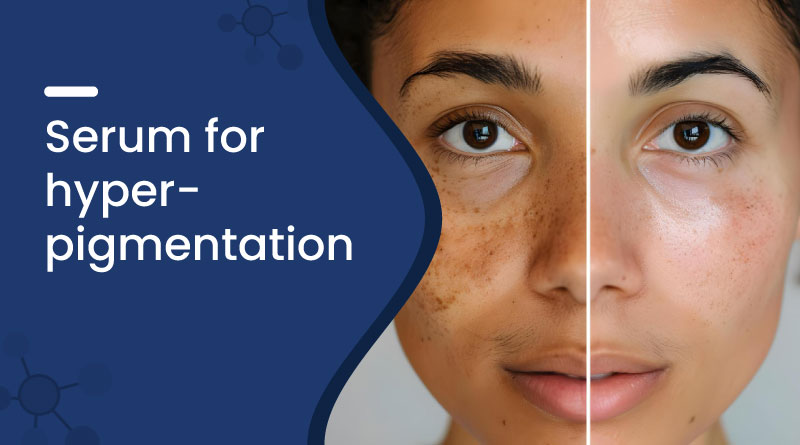
Hyperpigmentation is a common skin problem. It happens when some parts of the skin get darker than others. This darkening is due to extra melanin, the pigment that gives color to skin, hair, and eyes. Many people want to know how to treat hyperpigmentation to get even skin tone again.
Credit: zeelabpharmacy.com
What Causes Hyperpigmentation?
Before talking about treatment, we should understand the causes. Hyperpigmentation can happen for many reasons:
- Sun exposure: Too much sun can make skin produce more melanin.
- Acne scars: After pimples heal, dark spots can appear.
- Hormonal changes: Pregnancy or birth control pills can cause dark patches.
- Skin injuries: Cuts or burns can leave dark spots.
- Age spots: Older people may get dark spots from sun damage.
Types of Hyperpigmentation
There are different types of hyperpigmentation. Knowing the type helps choose the best treatment.
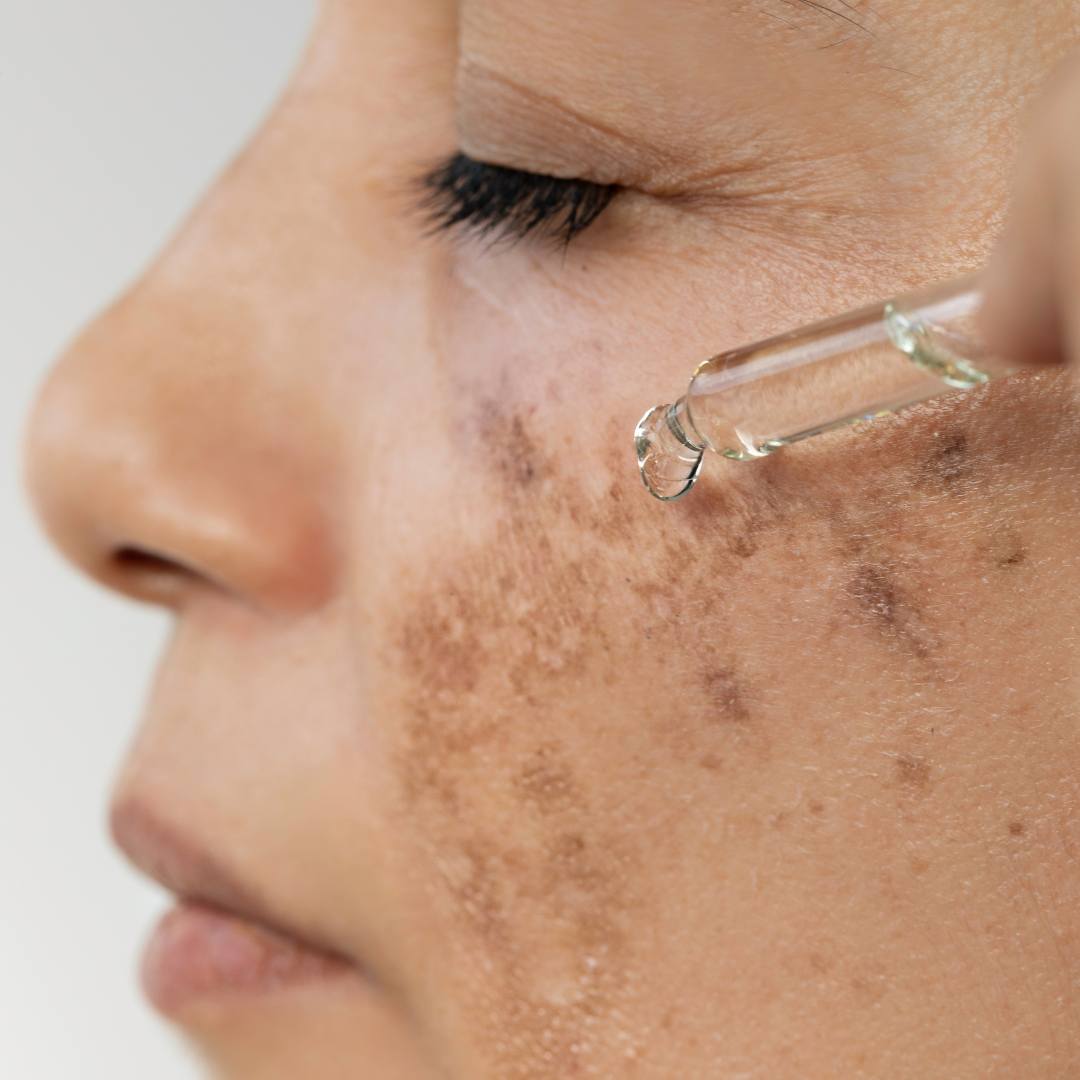
- Melasma: Large dark patches, often on cheeks and forehead.
- Post-inflammatory hyperpigmentation: Dark spots after skin injury or acne.
- Sun spots (solar lentigines): Small dark spots caused by sun damage.
Credit: www.minarsdermatology.com
How to Treat Hyperpigmentation
Treating hyperpigmentation takes time and care. No quick fixes exist. Here are the best ways to treat it.
1. Use Sunscreen Every Day
Sunscreen is the most important step. Sun makes hyperpigmentation worse. Use a sunscreen with at least SPF 30. Apply it every morning. Reapply every two hours if you are outside. This protects skin from UV rays and stops dark spots from getting darker.
2. Skin-lightening Creams
There are creams made to lighten dark spots. Some ingredients work well:
| Ingredient | How It Works |
|---|---|
| Hydroquinone | Reduces melanin production in skin cells. |
| Azelaic Acid | Stops pigment production and reduces inflammation. |
| Vitamin C | Brightens skin and protects from sun damage. |
| Kojic Acid | Blocks melanin formation, lightens dark spots. |
| Niacinamide | Reduces pigment transfer to skin surface. |
Use these creams as directed by a doctor. Some may cause irritation if used too much.
3. Chemical Peels
Chemical peels use acids to remove top skin layers. This helps fade dark spots. Common acids include glycolic acid and salicylic acid. Peels should be done by a skin expert. They make skin smoother and brighter over time. But they can cause redness or peeling at first.
4. Laser Therapy
Laser treatment targets dark spots with light beams. It breaks down melanin pigment in skin. This helps lighten spots. Laser therapy is quick but can be costly. Not everyone can use laser safely. It is best done by a dermatologist.
5. Microdermabrasion
Microdermabrasion is a gentle skin scrub treatment. It removes dead skin cells and helps new skin grow. This can reduce dark spots. It is less intense than chemical peels or laser. Several sessions may be needed for results.
6. Natural Remedies
Some people try natural remedies at home. These may help mildly:
- Lemon juice: Has natural acids to lighten skin.
- Aloe vera: Helps soothe skin and reduce pigmentation.
- Turmeric: Known to brighten skin tone.
- Green tea extract: Contains antioxidants that protect skin.
Natural remedies work slowly and may not be strong. Test on small skin area first to avoid allergy.
Tips for Best Results
To get the best results, follow these tips:
- Be patient. Treatment takes weeks or months.
- Always use sunscreen to stop dark spots from returning.
- Follow doctor or product instructions carefully.
- Avoid picking or scratching dark spots.
- Use gentle skincare products to avoid irritation.
- Keep skin clean and moisturized.
When to See a Doctor
If dark spots change shape, color, or grow fast, see a doctor. Also, visit a dermatologist if spots bother you or do not improve. They can suggest the best treatment for your skin type. A skin expert helps avoid side effects and gives proper care.
Summary: Best Treatment for Hyperpigmentation
The best treatment depends on the cause and type of hyperpigmentation. Here is a quick summary:
| Treatment | Best For | Notes |
|---|---|---|
| Sunscreen | All types | Essential for prevention and treatment. |
| Skin-lightening creams | Mild to moderate spots | Use under doctor guidance. |
| Chemical peels | Dark spots and uneven skin | Performed by professionals. |
| Laser therapy | Stubborn dark spots | Effective but costly. |
| Microdermabrasion | Mild pigmentation | Requires multiple sessions. |
| Natural remedies | Very mild spots | Slow results, test for allergies. |
Final Thoughts
Hyperpigmentation is common but treatable. The key is regular care and sun protection. Choose treatments that suit your skin and lifestyle. Always protect your skin from the sun. If unsure, ask a doctor for help. With patience and care, you can see clearer, brighter skin.
Frequently Asked Questions
What Is Hyperpigmentation And What Causes It?
Hyperpigmentation is dark patches on skin caused by sun, acne, or injury.
Which Treatment Works Best For Dark Spots On Face?
Topical creams with ingredients like hydroquinone or vitamin C help fade dark spots.
Can Laser Therapy Remove Hyperpigmentation Safely?
Laser therapy targets pigment and can reduce dark spots with minimal side effects.
How Long Does Hyperpigmentation Treatment Take To Show Results?
Most treatments show improvement in 4 to 12 weeks with regular use.