Oily skin is a common problem for many people. It makes your face look shiny and sometimes causes pimples. But why does skin become oily? This article explains the main causes of oily skin. You will learn what makes your skin produce more oil. Also, you will know how to take care of oily skin better.
Credit: allmedic.net.au
What Is Oily Skin?
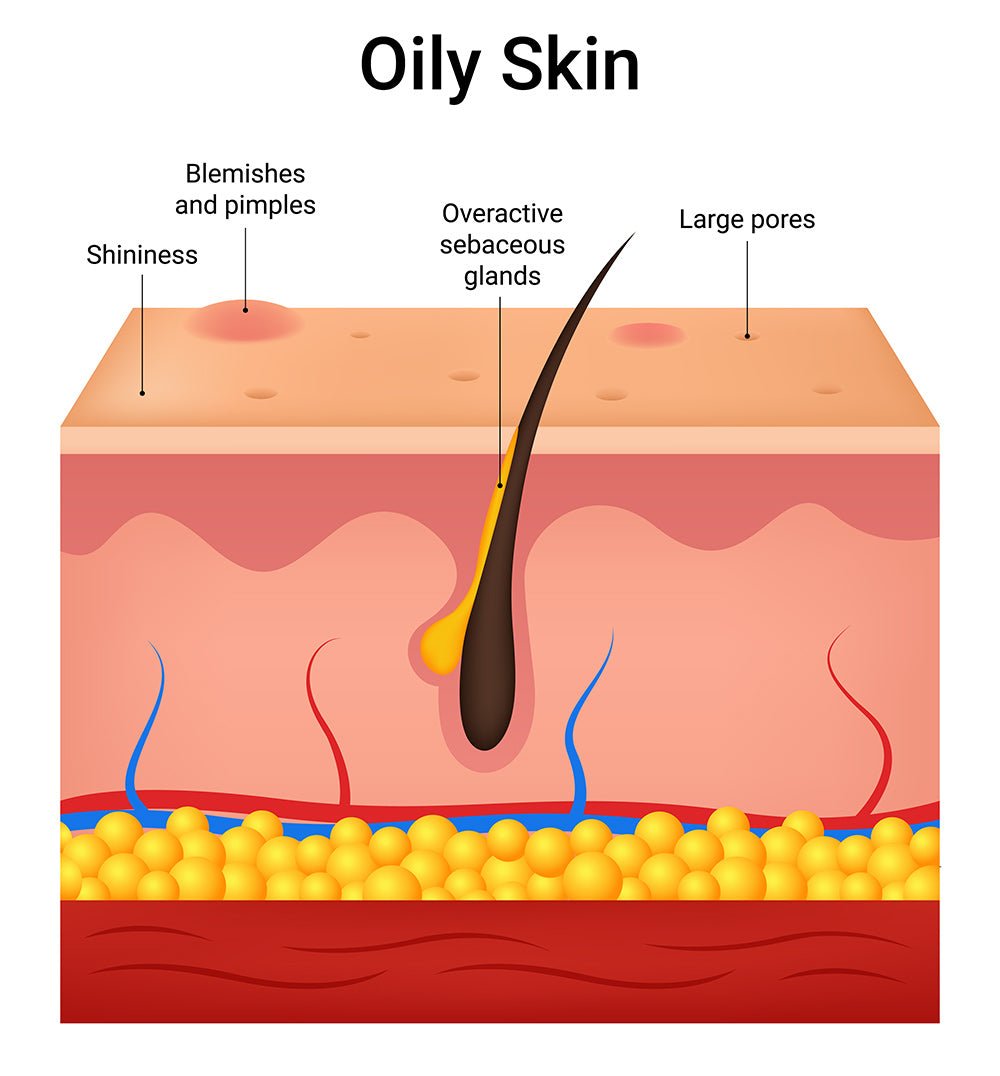
Oily skin happens when your skin produces too much oil. The oil is called sebum. Sebum is made by tiny glands under your skin. These glands are called sebaceous glands. Sebum helps keep your skin soft and moist. But when there is too much oil, your face looks greasy.
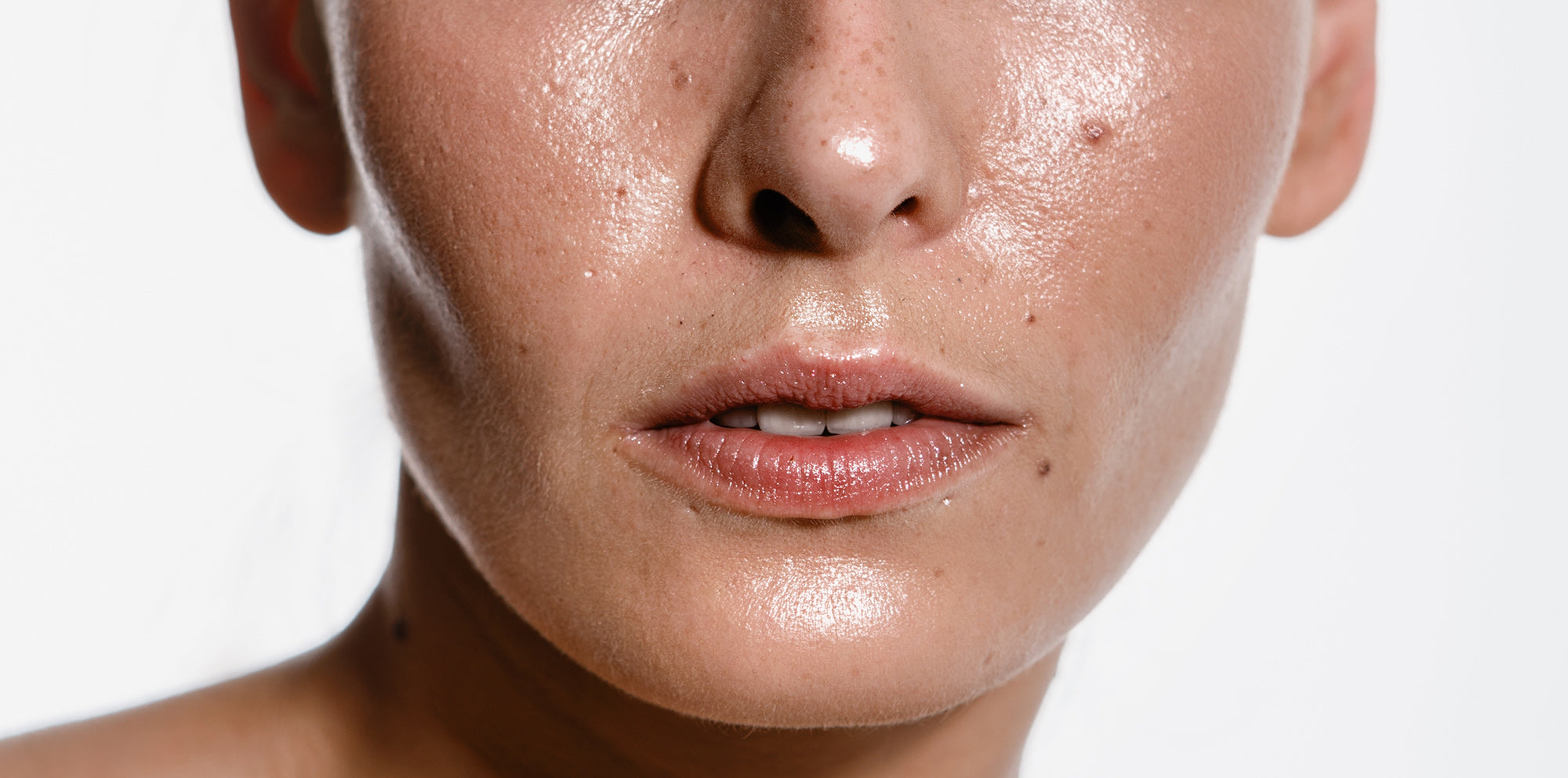
Oily skin can make your face shiny and may cause acne. It is common in teenagers but can affect adults too. Some people have oily skin all the time. Others have oily skin only in some parts of their face.
How Does Skin Produce Oil?
Each skin has many sebaceous glands. They are near hair follicles. These glands make sebum and push it out to the skin surface. Sebum creates a thin layer on your skin. This layer helps protect your skin from drying out.
Normally, the amount of sebum is balanced. But sometimes glands make more oil than needed. This causes oily skin. When you have oily skin, the sebum mixes with dirt and dead skin cells. This can block pores and cause pimples.
Main Causes of Oily Skin
Several things can make your skin produce too much oil. Here are the main causes of oily skin:
1. Genetics
Your family can pass oily skin to you. If your parents have oily skin, you may have it too. This is because your skin type is in your genes. Some people naturally have larger sebaceous glands. These glands make more oil than others.
2. Hormones
Hormones play a big role in oily skin. During puberty, your body makes more hormones called androgens. These hormones tell your sebaceous glands to make more oil. That is why many teenagers have oily skin and acne.
Women may notice oily skin before their period. Hormone changes during the menstrual cycle cause this. Pregnancy and menopause can also affect skin oil levels.
3. Weather And Climate
Hot and humid weather can increase oil production. When it is warm, your skin makes more sweat and oil. This helps cool down your body. In cold weather, your skin may make less oil. So, oily skin is often worse in summer.
4. Skin Care Products
Using the wrong skin care products can make skin oilier. Some soaps and cleansers remove too much oil. Your skin then makes extra oil to replace it. This can start a cycle of more oil and more washing.
Heavy creams and oily makeup can also clog pores. This makes skin look oilier and can cause breakouts.
5. Diet And Lifestyle
What you eat can affect your skin. Eating too much greasy or sugary food may increase oil. Drinking less water can also dry your skin. Dry skin may produce more oil to keep moist.
Stress and lack of sleep affect hormones. This can make skin oilier. Smoking harms your skin and can increase oil production.
6. Overwashing Your Face
Washing your face too often can cause oily skin. When you wash too much, your skin loses natural oils. It then makes more oil to protect itself. This can make your skin even oilier than before.
How to Identify Oily Skin?
You might wonder if your skin is oily. Here are some signs of oily skin:
- Your face looks shiny, especially on the forehead and nose.
- Your skin feels greasy a few hours after washing.
- You have large or visible pores on your face.
- You often get pimples or blackheads.
- Your makeup does not stay long and looks shiny.
Why Does Oily Skin Matter?
Oily skin is more than just shiny. It can cause skin problems like acne. Acne happens when pores get blocked with oil and dirt. Bacteria grow in blocked pores and cause pimples. These pimples can leave scars if not treated.
Also, oily skin can feel uncomfortable. It may make you feel less confident. Knowing the causes helps you manage oily skin better.
Tips to Manage Oily Skin
Even if you have oily skin, you can keep it healthy. Here are some simple tips:
| Tip | What to Do | Why It Helps |
|---|---|---|
| Clean Your Face Gently | Use a mild cleanser twice a day. | Removes excess oil without drying skin. |
| Use Oil-Free Products | Choose moisturizers and makeup labeled “oil-free.” | Prevents extra oil and clogged pores. |
| Don’t Overwash | Wash your face only twice a day. | Avoids skin making more oil. |
| Use Blotting Papers | Gently press blotting paper on oily areas. | Removes shine without washing face. |
| Eat Healthy Food | Include fruits, vegetables, and water. | Keeps skin balanced and healthy. |
| Keep Stress Low | Practice relaxation and get enough sleep. | Reduces hormone changes that cause oil. |

Credit: blog.pureance.com
When to See a Doctor
Sometimes oily skin is very severe. It may cause many pimples or infections. If your skin problems do not improve, see a doctor. A skin doctor, called a dermatologist, can help. They can give medicine or special treatments.
Frequently Asked Questions
What Are The Main Causes Of Oily Skin?
Oily skin happens due to excess sebum produced by skin glands.
Does Diet Affect Oily Skin?
Yes, oily and greasy foods can increase oil production on the skin.
Can Stress Lead To Oily Skin?
Stress can trigger hormones that boost oil production and worsen oily skin.
How Does Humidity Impact Oily Skin?
High humidity makes skin sweat more, increasing oiliness and shine.
Conclusion
Oily skin happens when your skin makes too much oil. This is due to genetics, hormones, weather, or skin care habits. It can cause shiny skin and pimples. But with good care, oily skin can be managed well. Use gentle skin care products and avoid overwashing. Eat healthy and keep stress low. If problems get worse, visit a doctor.
Understanding what causes oily skin helps you take better care. Your skin will thank you for it.