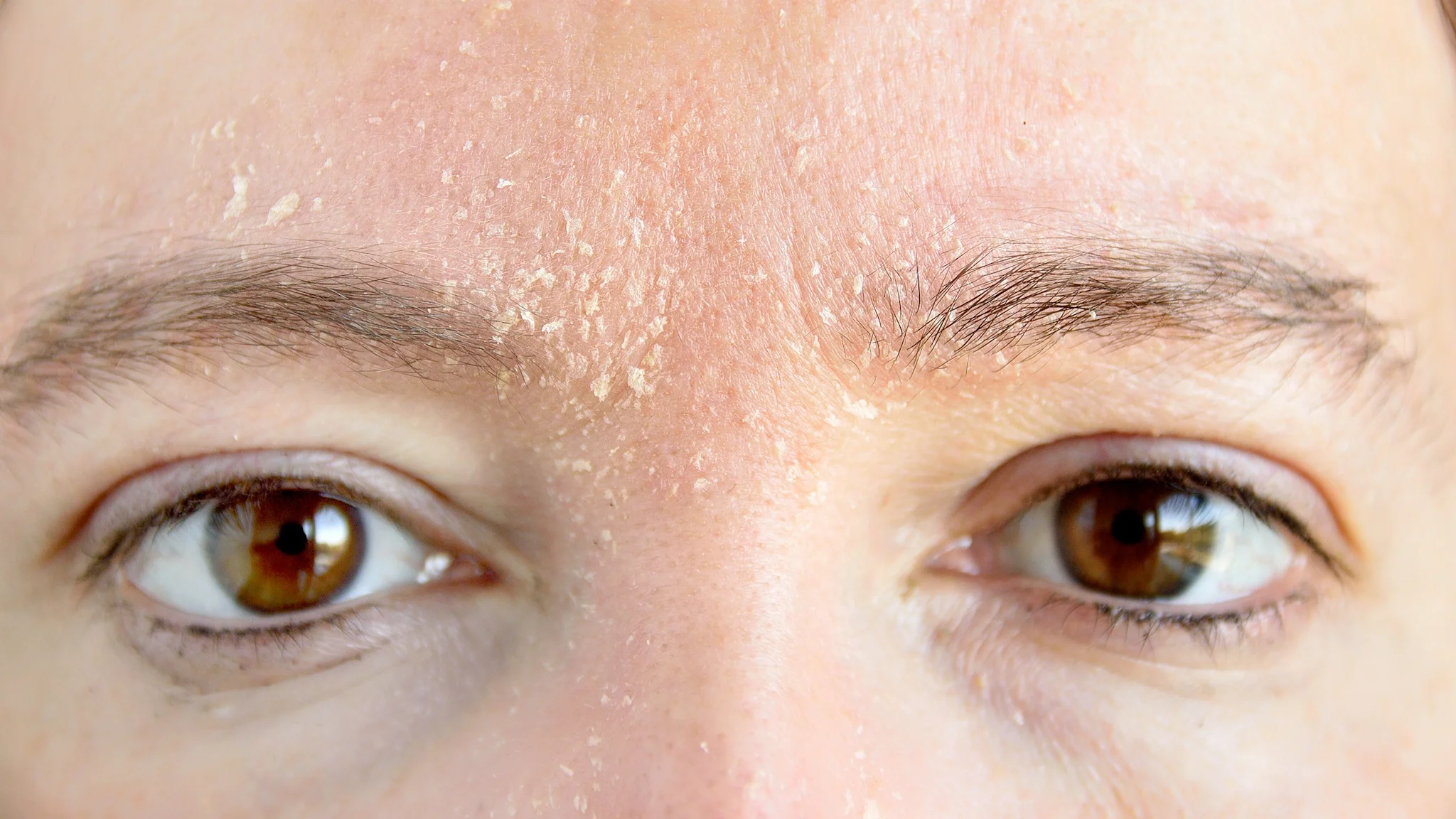
Dry skin is a common problem many people face. It can make your skin feel tight, rough, and itchy. Sometimes, dry skin can even crack and bleed. This problem can happen to anyone, no matter the age or skin type.
What Is Dry Skin?
Dry skin means your skin does not have enough moisture. Your skin needs water and oils to stay soft and smooth. When it loses too much water, it becomes dry. This can happen on any part of your body, but it is more common on hands, arms, and legs.
Why Does Dry Skin Happen?
There are many reasons why your skin might get dry. Here are some common causes:
- Weather: Cold, dry air in winter can dry out your skin.
- Hot showers: Long, hot showers can remove natural oils from your skin.
- Soaps and detergents: Some soaps are harsh and can dry your skin.
- Aging: As people get older, skin makes less oil.
- Health problems: Conditions like eczema or diabetes can cause dry skin.
- Not drinking enough water: Your body needs water to keep skin hydrated.
Signs and Symptoms of Dry Skin
It is easy to tell if your skin is dry. Watch for these signs:
- Skin feels tight, especially after washing.
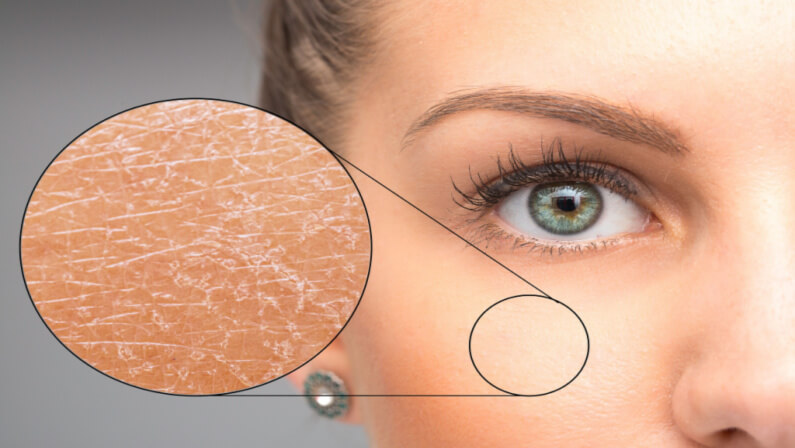
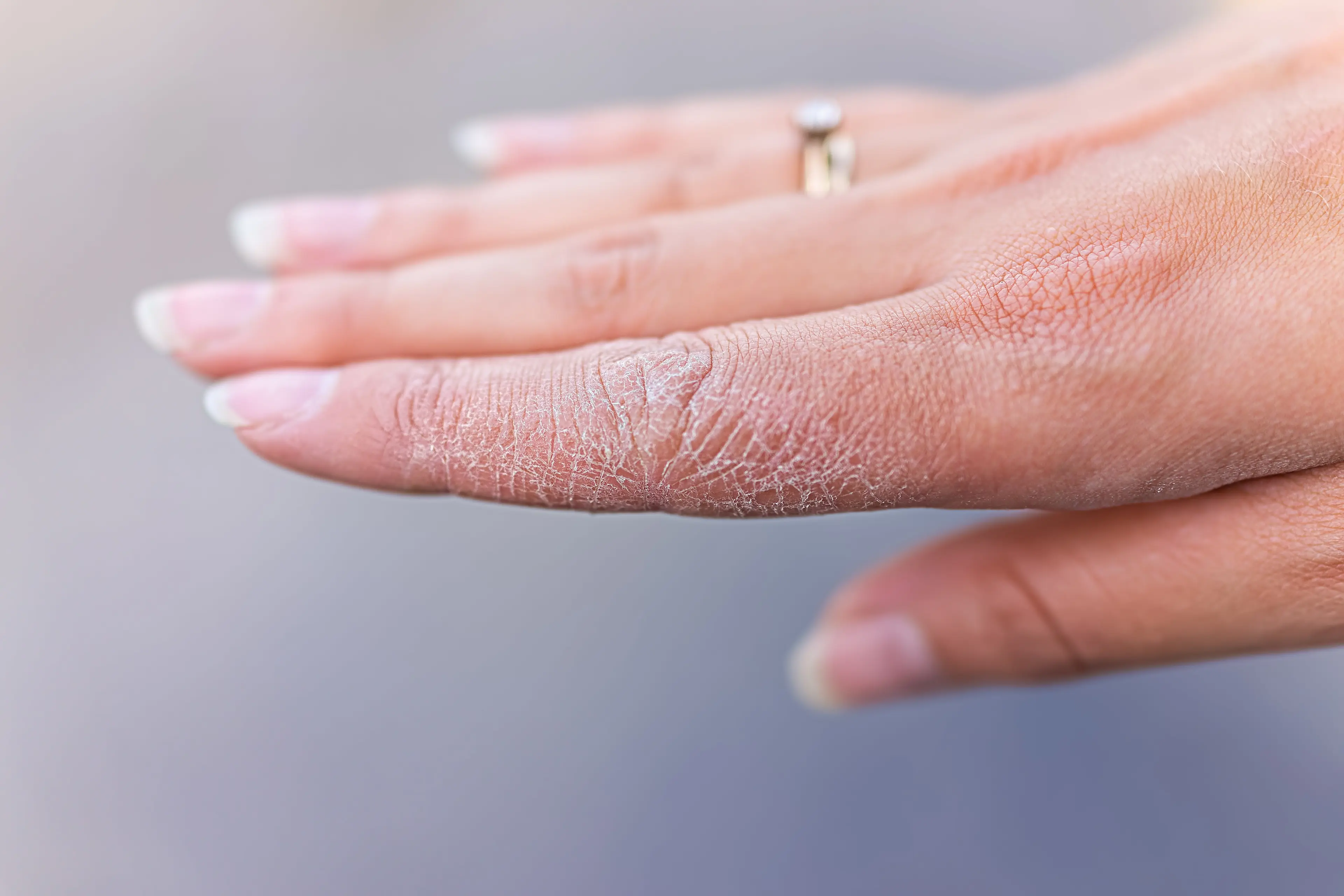
- Rough or scaly patches appear.
- Itching that does not go away.
- Cracks or small cuts on the skin.
- Red or inflamed skin.
- Flakes or peeling skin.
How to Take Care of Dry Skin
Good news! You can take simple steps to help your dry skin. These tips will keep your skin soft and healthy.
1. Use A Gentle Cleanser
Choose soaps or cleansers made for dry skin. Avoid harsh soaps that can strip oils. Use warm water, not hot, to wash your skin. Wash gently and do not scrub hard.
2. Moisturize Often
Moisturizers help add water and oils back to your skin. Apply moisturizer right after washing your skin. This traps water in your skin. Use thicker creams or ointments for very dry skin. Apply moisturizer at least twice a day.
3. Avoid Long, Hot Showers
Hot water can dry your skin quickly. Take short showers or baths with warm water. Avoid soaking for too long. This helps keep skin oils intact.
4. Drink Plenty Of Water
Water helps keep your whole body hydrated. Drink at least 6 to 8 glasses of water daily. This supports skin moisture from inside.
5. Use A Humidifier
In dry weather, the air inside your home may be dry. A humidifier adds moisture to the air. This can help prevent dry skin during winter or in dry climates.
6. Wear Soft Clothing
Rough fabrics like wool may irritate dry skin. Choose soft cotton clothes. Wash new clothes before wearing to remove chemicals. Avoid tight clothes that rub your skin.
7. Protect Your Skin From Cold And Wind
Cold wind can make skin dry and cracked. When you go outside in cold weather, wear gloves and scarves. Cover your skin to protect it.
Credit: teamdermatologymd.com
Foods That Help Dry Skin
Your skin needs good nutrition to stay healthy. Some foods help keep skin hydrated and strong. Try to eat:
- Fish: Salmon and mackerel have healthy fats called omega-3.
- Nuts and seeds: Almonds and flaxseeds are good sources of oils.
- Fruits and vegetables: They have vitamins and water that help skin.
- Whole grains: Provide nutrients for skin repair.
When to See a Doctor
Most dry skin can be treated at home. But sometimes, you need a doctor’s help. See a doctor if:
- Your skin is very red and swollen.
- Cracks on skin bleed or get infected.
- You have pain or severe itching.
- Dry skin does not improve with home care.
Simple Daily Routine for Dry Skin Care
Follow this easy routine every day to keep your skin soft:
| Time | Action | Tip |
|---|---|---|
| Morning | Wash face and hands with gentle cleanser | Use warm water, not hot |
| Morning | Apply moisturizer immediately after washing | Use a cream made for dry skin |
| Daytime | Drink water regularly | Carry a water bottle with you |
| Evening | Take a short warm shower | Avoid scrubbing too hard |
| Evening | Apply moisturizer again after shower | Use a thicker cream if needed |
Common Myths About Dry Skin
Sometimes, people believe wrong things about dry skin. Here are some myths and facts:
- Myth: Dry skin only happens in winter.
Fact: Dry skin can happen anytime, even in summer. - Myth: Drinking less water does not affect skin.
Fact: Drinking water helps keep skin hydrated. - Myth: You should use more soap to clean dry skin.
Fact: Too much soap can make dry skin worse. - Myth: Dry skin means you do not have enough oil.
Fact: Dry skin is lack of water, not only oil.
Credit: www.neutrogena-me.com
Frequently Asked Questions
What Causes Dry Skin In Winter Months?
Cold air and low humidity reduce skin moisture, causing dryness and flakiness.
How Can I Prevent Dry Skin At Home?
Use gentle cleansers, moisturize daily, and avoid long hot showers.
Which Ingredients Help Treat Dry Skin Effectively?
Look for moisturizers with hyaluronic acid, glycerin, or ceramides for hydration.
Is Dry Skin A Sign Of Dehydration?
Dry skin can indicate low hydration but is also influenced by environment and care.
Conclusion
Dry skin can be uncomfortable. But with simple care, you can help your skin feel better. Use gentle cleansers, moisturize often, and protect your skin. Drink water and eat healthy foods. Avoid hot water and harsh soaps. When in doubt, talk to a doctor. Your skin will thank you!