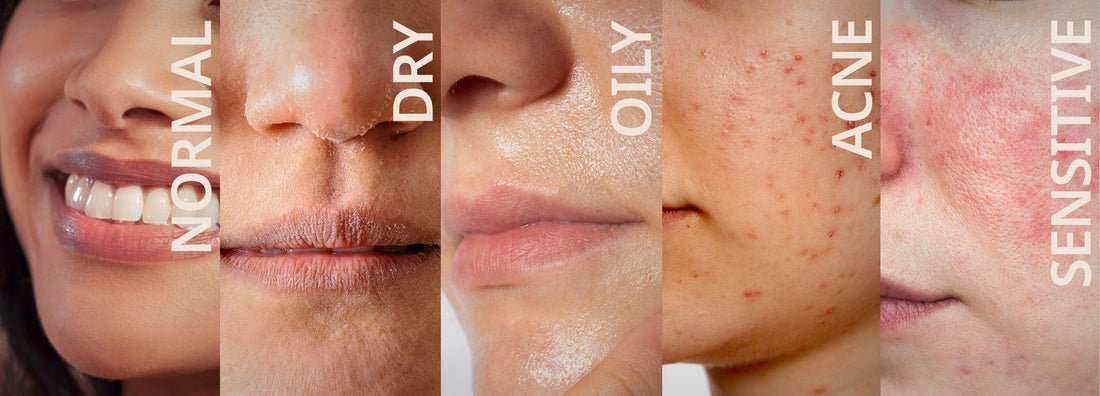
Many people wonder if their skin is sensitive. But how do you really know? Sensitive skin can feel different for each person. Some signs are easy to spot. Others may be small and slow to appear.
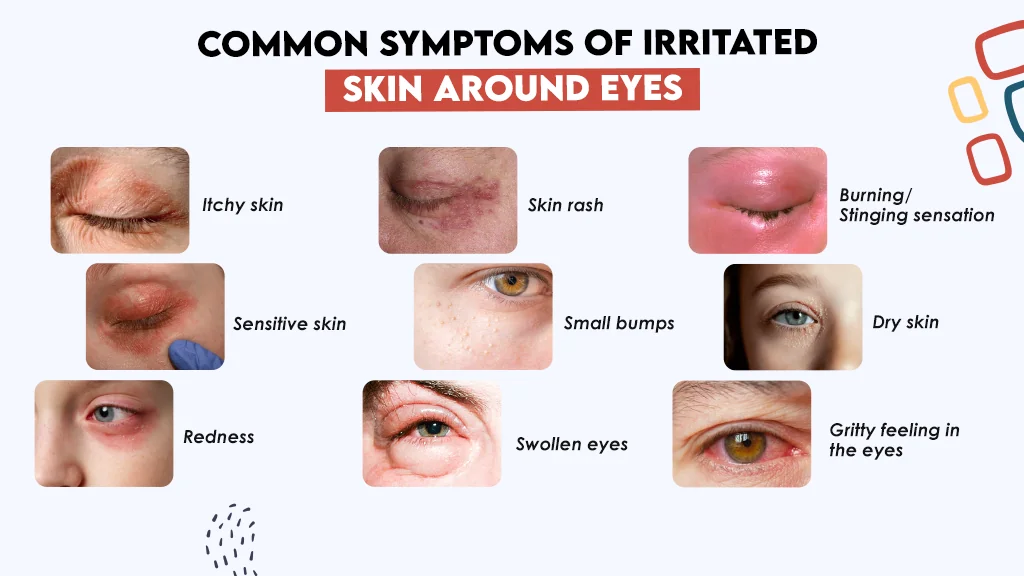
Credit: happycappyshampoo.com
What Is Sensitive Skin?
Sensitive skin means your skin reacts easily to things. It can get red, itchy, or dry quickly. This happens when your skin barrier is weak.
Your skin barrier is like a shield. It protects your skin from dust, pollution, and germs. When the shield is weak, your skin feels sore or irritated more often.
Common Signs of Sensitive Skin
Look for these signs to see if your skin is sensitive:
- Redness: Your skin turns red easily after touching something new.
- Itching: You feel an itch that does not go away quickly.
- Dryness: Your skin feels dry or rough most days.
- Burning or Stinging: Your skin hurts when you use certain soaps or creams.
- Rashes or Bumps: Small bumps or rashes appear without a clear reason.
- Tightness: Your skin feels tight, especially after washing.
How to Test If You Have Sensitive Skin
You can try a simple test at home. This helps you learn how your skin reacts.
- Choose a new skin product with few ingredients.
- Apply a small amount on your inner wrist.
- Wait for 24 hours without washing it off.
- Check if your skin shows redness, itching, or bumps.
If you see any of these, your skin may be sensitive.
What Causes Sensitive Skin?
Many things can cause your skin to be sensitive. Here are some common causes:
- Weather: Cold, wind, or hot sun can irritate skin.
- Skin Products: Soaps, lotions, or makeup with strong chemicals.
- Pollution: Dust and smoke in the air harm skin.
- Stress: When you feel worried or tired, skin may react.
- Health Conditions: Some skin diseases cause sensitivity.
How Does Sensitive Skin Feel?
People with sensitive skin often say their skin feels:
- Burning after washing or applying products.
- Itchy without clear cause.
- Tight or dry even with moisturizer.
- Red or blotchy after sun or cold.
These feelings can happen quickly or slowly over time.
Who Usually Has Sensitive Skin?
Anyone can have sensitive skin. But some people have it more often. For example:
- People with fair skin.
- Those with dry or oily skin types.
- People who use many skin products.
- Children and older adults.

Credit: www.cutislaserclinics.com
Difference Between Sensitive Skin and Allergies
Sensitive skin is not the same as an allergy. Allergies cause strong reactions. Sensitive skin reacts gently but often.
Here is a simple table to understand the difference:
| Feature | Sensitive Skin | Allergy |
|---|---|---|
| Reaction Type | Mild redness, itching, dryness | Severe redness, swelling, hives |
| Speed | Slow or mild | Fast and strong |
| Cause | General irritation | Specific allergen |
| Treatment | Gentle care and avoiding irritants | Medical help and allergy tests |
Tips to Care for Sensitive Skin
If you think your skin is sensitive, take care. Follow these simple tips:
- Use mild soaps and cleansers without strong chemicals.
- Test new products on a small skin area first.
- Moisturize your skin daily to keep it soft.
- Avoid long hot showers which dry the skin.
- Wear sunscreen when you go outside.
- Choose clothes made from soft fabrics like cotton.
- Keep your skin clean but do not scrub hard.
- Drink plenty of water to stay hydrated.
When to See a Doctor
Sensitive skin is common and often easy to handle. But sometimes, you need medical help. See a doctor if:
- Your skin breaks out in painful rashes.
- You have swelling or sores that do not heal.
- You feel strong itching that stops daily life.
- Your skin reaction gets worse over time.
A doctor can check your skin and give advice or medicine.
Summary
Knowing if you have sensitive skin helps you care for it better. Look for signs like redness, itching, and dryness. Try testing new products on a small skin patch. Avoid harsh soaps and protect your skin from the sun.
Remember, sensitive skin is common. You can keep it healthy with simple steps. And if your skin feels very bad, talk to a doctor.
Take care of your skin every day. It will thank you with a healthy glow.
Frequently Asked Questions
What Are The Common Signs Of Sensitive Skin?
Redness, itching, burning, dryness, or rash often signal sensitive skin.
How Can I Test If My Skin Is Sensitive?
Apply a small amount of product; watch for redness or irritation.
Does Sensitive Skin React To All Skincare Products?
Not all, but many products with harsh chemicals can cause reactions.
Can Weather Changes Affect Sensitive Skin?
Yes, cold, wind, and sun can trigger sensitivity and irritation.