Many people think that using oil on oily or acne prone skin is wrong. They believe oil will make skin worse. But this idea is not always true. The oil cleansing method (OCM) can help clean skin gently and well. It can work even for acne prone skin. Let’s learn how oil cleansing works and why it can be good for your skin.
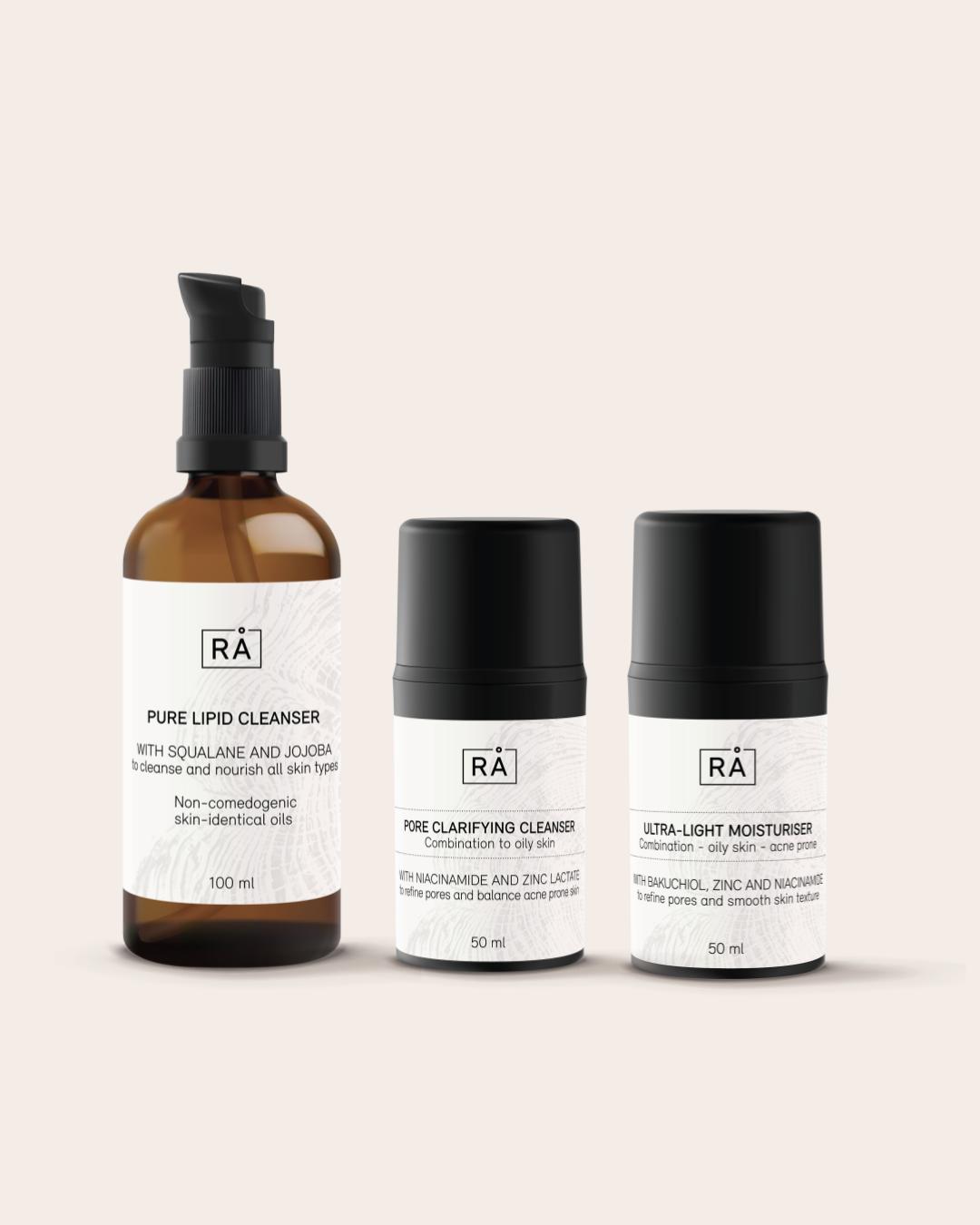
Credit: raskincare.no
What Is the Oil Cleansing Method?
The oil cleansing method is a way to clean your face using only oils. It sounds strange because many cleansers foam or use water. But oil can remove dirt, makeup, and extra oil on your face. It does this by mixing with the oil on your skin.
Oil cleansing uses natural oils to clean. You put oil on your face, rub it gently, and then wipe or rinse it off. This helps clear your skin without drying it out.
Why Use Oil Cleansing for Acne Prone Skin?
People with acne often use strong soaps or chemicals. These can dry the skin and cause more oil production. More oil means more acne.
The oil cleansing method cleans without drying. It helps balance the skin’s natural oils. When skin is balanced, it is less likely to get acne. Oil cleansing also removes dead skin cells that can block pores.
Many people with acne find their skin feels soft and calm after oil cleansing. It can reduce redness and irritation.
How Does the Oil Cleansing Method Work?
Oil cleansing works on a simple idea: “like dissolves like.” This means oils dissolve oils. The oil you put on your skin mixes with the oils and dirt on your skin. Then, you wipe or rinse everything away.
Using oil to clean may seem strange, but it is very gentle. It does not strip your skin like soap can. It cleans deeply and leaves the skin soft.
Choosing the Right Oils for Acne Prone Skin
Not all oils are the same. Some oils can clog pores, and some can help clear skin. For acne prone skin, choose oils that do not block pores. These are called non-comedogenic oils.
Here is a list of good oils for acne prone skin:
| Oil Name | Benefits |
|---|---|
| Jojoba Oil | Very similar to skin oil; balances oil production |
| Grapeseed Oil | Light, helps reduce acne and tightens skin |
| Castor Oil | Clears pores and fights bacteria; use in small amounts |
| Safflower Oil | Light and non-comedogenic; good for oily skin |
| Hemp Seed Oil | Reduces inflammation and moisturizes well |
Castor oil is very thick. Use it with lighter oils like jojoba. A common mix is 1 part castor oil and 2 parts jojoba oil.
How to Do Oil Cleansing Step by Step
Follow these simple steps to try oil cleansing:
- Wash your hands well.
- Put 1 to 2 teaspoons of your oil mix in your palm.
- Rub your hands together to warm the oil.
- Massage the oil on your dry face for 1-2 minutes.
- Focus on areas with acne or makeup.
- Soak a clean washcloth in warm water.
- Place the warm cloth on your face for 30 seconds.
- Gently wipe off the oil with the cloth.
- Rinse the cloth and repeat until oil is gone.
- Pat your face dry with a clean towel.
You can do oil cleansing once or twice a day. Most people do it at night to remove makeup and dirt.

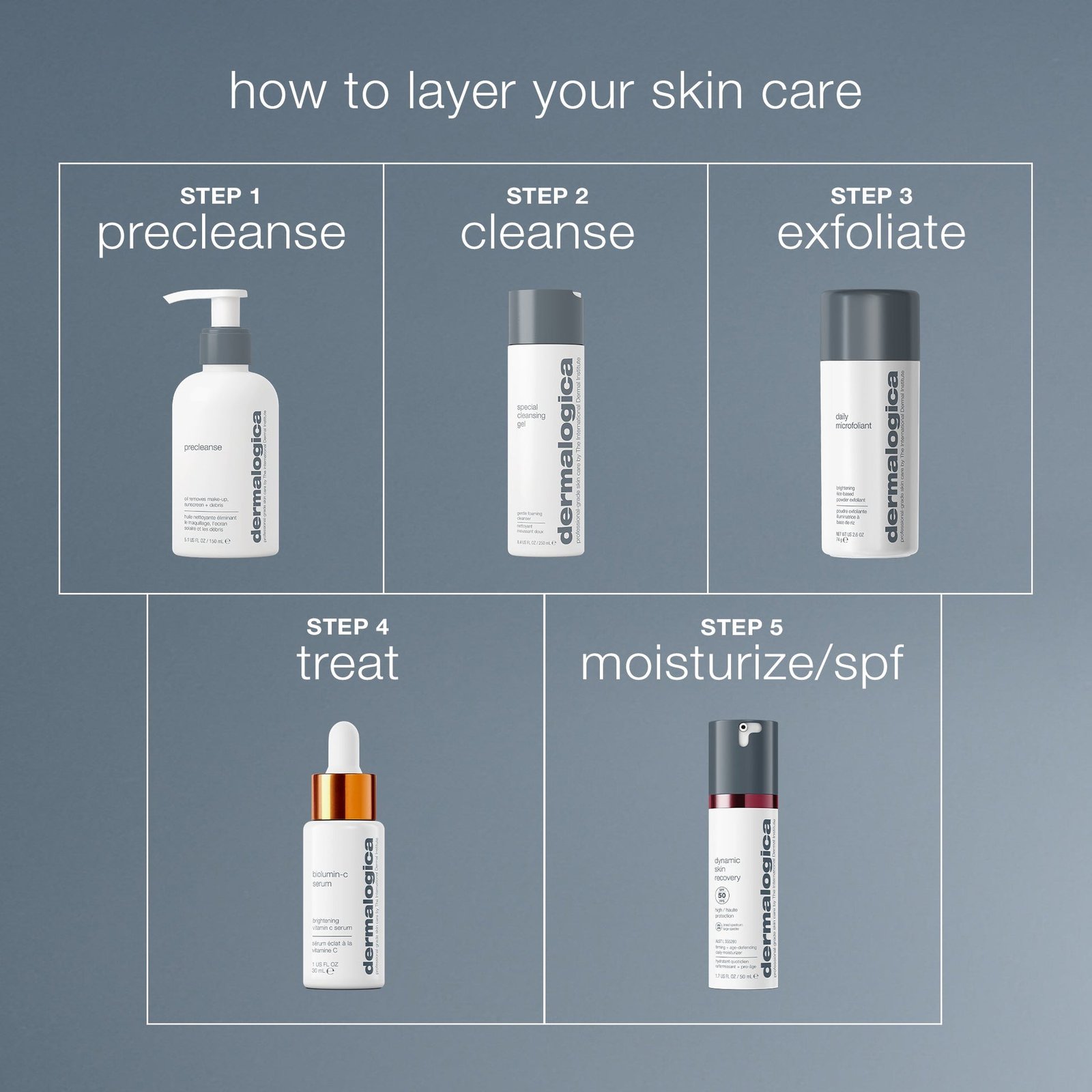
Credit: www.dermalogica.com
Benefits of Oil Cleansing for Acne Prone Skin
Many people find these benefits when using oil cleansing:
- Removes dirt and makeup well.
- Does not dry out skin.
- Helps balance natural oils.
- Reduces irritation and redness.
- Clears clogged pores gently.
- Leaves skin soft and smooth.
Things to Remember When Using Oil Cleansing
Even though oil cleansing is gentle, some tips help you get best results:
- Use oils that suit your skin type.
- Do not use heavy oils like coconut oil if you have acne.
- Be gentle when massaging your face.
- Use warm water, not hot water, to avoid irritation.
- Do a patch test before using new oils.
- If skin feels worse, stop and try another oil.
- Keep your towels and cloths clean.
Can Oil Cleansing Cause Breakouts?
Some people worry that oil cleansing causes more acne. But often, breakouts happen when skin is adjusting. This is normal for some skin types.
If breakouts continue after a few weeks, oil cleansing might not be right for you. Stop and talk to a skin doctor.
How Oil Cleansing Fits in Your Skincare Routine
Oil cleansing can be the first step in your routine. After cleansing, you can use toner, moisturizer, or acne treatments.
Because oil cleansing is gentle, it pairs well with many products. It helps your skin stay calm and clean.
Summary
The oil cleansing method can help people with acne prone skin. It cleans the skin deeply without drying. Using the right oils makes a big difference.
Try jojoba, grapeseed, or castor oil mixes for best results. Follow simple steps and be patient. Your skin may look clearer and feel softer over time.
Remember, every skin is different. Watch how your skin reacts. If you have serious acne, speak to a skin doctor before changing your routine.
Frequently Asked Questions
What Is The Oil Cleansing Method For Acne-prone Skin?
It uses natural oils to clean skin and remove dirt without harsh chemicals.
Can Oil Cleansing Help Reduce Acne Breakouts?
Yes, it can balance oil and reduce clogged pores, which lowers acne.
Which Oils Are Best For Oily, Acne-prone Skin?
Jojoba, castor, and tea tree oils work well for oily and acne skin.
How Often Should I Use Oil Cleansing For Acne?
Cleansing 2-3 times a week is enough to keep skin clean and healthy.