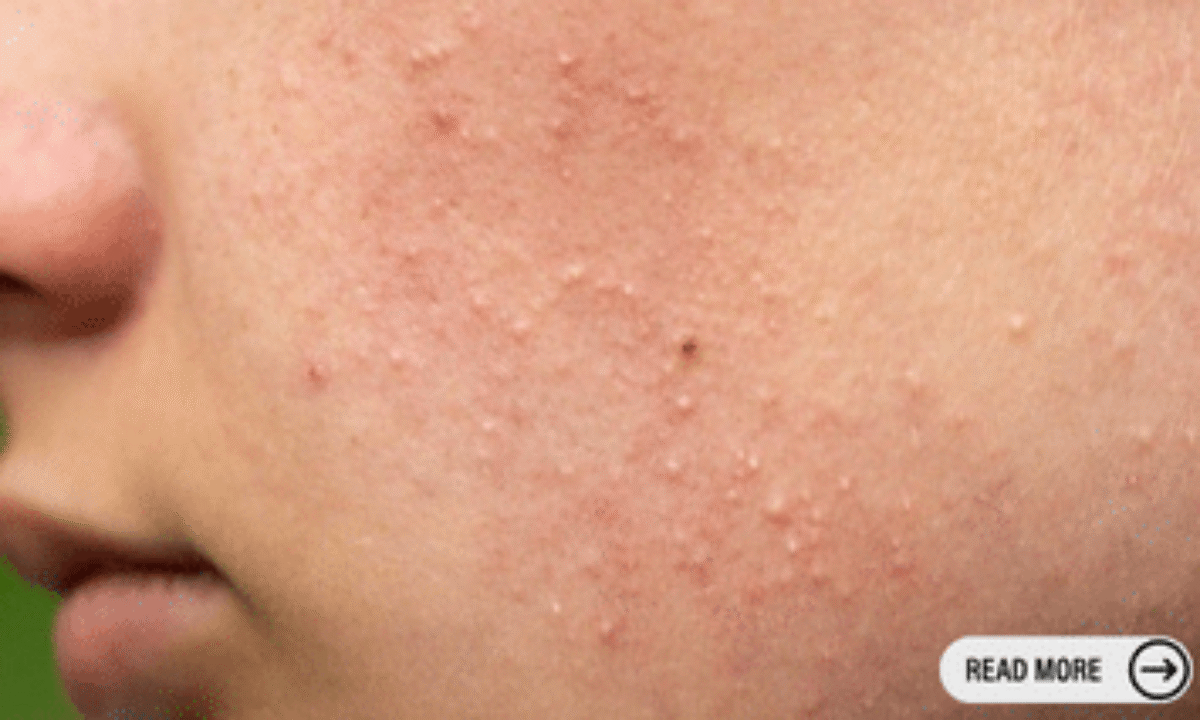
Acne is a common skin problem. Many people get it during their life. It can happen at any age, but often starts in teenage years. Acne appears mostly on the face, chest, and back. It can be mild or severe. Knowing the symptoms helps you understand and care for your skin better.
What Is Acne?
Acne is a skin condition that happens when hair follicles get blocked. Oil and dead skin cells gather in these follicles. This causes bumps or pimples on the skin. Acne can look different for everyone.
Common Acne Symptoms
Acne has many symptoms. Some are easy to see. Others you may only feel. Here are common signs of acne:
- Whiteheads: Small, white bumps on the skin.
- Blackheads: Tiny dark spots, open on the skin surface.
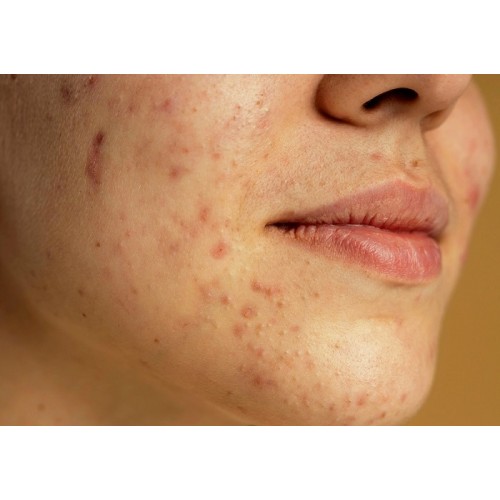
- Pimples: Red bumps with or without pus.
- Cysts: Large, painful lumps under the skin.
- Swelling: Skin around pimples may be swollen.
- Redness: Skin around acne becomes red and sore.
- Oily skin: Skin may feel greasy or shiny.
How Acne Develops
Acne happens in steps. First, the skin makes too much oil. Then, dead skin cells do not fall off as they should. These cells mix with oil and block pores. Bacteria can grow in blocked pores. This causes inflammation and pimples.
Types of Acne Bumps
Not all acne bumps look the same. Here are the main types:
| Type | Description | Appearance |
|---|---|---|
| Whiteheads | Pores are closed and blocked by oil and skin cells. | Small white or skin-colored bumps. |
| Blackheads | Pores are open but clogged with oil and dead cells. | Small dark or black spots on skin surface. |
| Papules | Inflamed red bumps without pus. | Small red, tender bumps. |
| Pustules | Inflamed bumps with pus inside. | Red bumps with white or yellow centers. |
| Nodules | Large, hard bumps under the skin. | Painful, solid lumps deep in skin. |
| Cysts | Large, pus-filled lumps deep under the skin. | Soft, painful lumps that may cause scars. |
Where Does Acne Appear?
Acne mainly shows up on these areas:
- Face: Most common place for acne bumps.
- Chest: Can have whiteheads and pimples.
- Back: Large area often affected by acne.
- Shoulders: Acne can form here too.
Credit: gmbozone.net
How to Know If It Is Acne?
Sometimes, skin bumps are not acne. Here are signs it is acne:
- Bumps appear in groups or clusters.
- Skin is oily or shiny in affected areas.
- Redness or swelling around bumps.
- New pimples appear regularly.
- Sometimes, pain or tenderness in bumps.
What Causes Acne Symptoms?
Many things cause acne symptoms. The most common are:
- Hormones: Changes during puberty, pregnancy, or stress.
- Oil production: Skin makes too much oil.
- Dead skin cells: Not shedding properly, blocking pores.
- Bacteria: Germs that live on skin can grow in blocked pores.
- Hair follicles: When blocked, they cause acne bumps.
- Diet: Some foods may make acne worse.
- Medications: Some drugs can cause acne as side effects.
When Acne Symptoms Get Worse
Acne can get worse if not cared for. Signs of worsening include:
- More pimples appear quickly.
- Large, painful lumps develop.
- Skin becomes red and swollen.
- Pimples filled with pus form.
- Scars or dark spots appear after pimples heal.
How Acne Symptoms Affect Life
Acne can make people feel sad or shy. It affects confidence. Some avoid friends or photos. It is important to know acne is common. Many people have it at some time. You are not alone.
Simple Ways to Notice Acne Symptoms Early
Check your skin often. Look for:
- New bumps or spots.
- Red or swollen areas.
- Shiny or oily skin patches.
- Any pain or tenderness on skin.
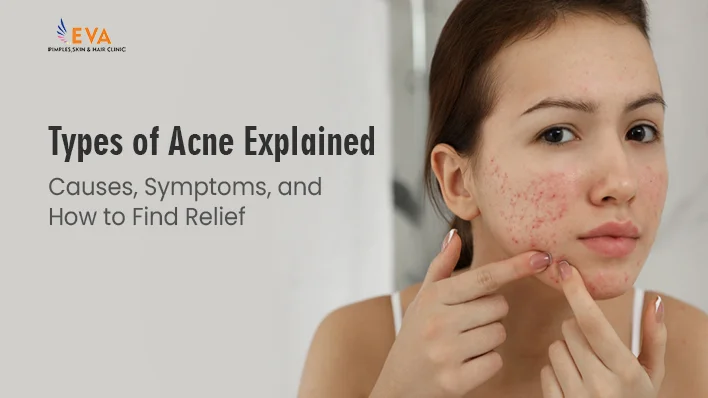
Early care can stop acne from getting worse.
Credit: evaskinclinicpune.com
How to Take Care of Skin With Acne Symptoms
Good skin care helps reduce acne symptoms. Follow these steps:
- Wash your face twice a day with gentle soap.
- Do not scrub skin hard; be gentle.
- Avoid touching or picking pimples.
- Use clean towels and pillowcases.
- Keep hair clean and away from face.
- Drink plenty of water every day.
- Eat healthy foods like fruits and vegetables.
- Avoid oily or greasy skin products.
When to See a Doctor
If acne is painful or gets worse, see a doctor. Also seek help if:
- Acne leaves scars.
- Over-the-counter creams do not work.
- Acne causes you to feel very sad.
A doctor can give advice and treatment to help your skin.
Summary
Acne is a common skin condition. Symptoms include whiteheads, blackheads, and pimples. Acne appears on face, chest, and back. It happens when pores get blocked by oil and dead skin. Acne can be mild or severe. Early care helps keep acne under control. If acne is painful or leaves scars, see a doctor. Taking good care of your skin is important. Remember, many people have acne. You are not alone.
Frequently Asked Questions
What Are The Common Symptoms Of Acne?
Red bumps, whiteheads, blackheads, and sometimes painful cysts appear on the skin.
How Can I Tell If A Pimple Is Acne?
Acne pimples often have redness, swelling, and may contain pus.
Does Acne Cause Skin Redness And Swelling?
Yes, acne often causes redness and swelling around the affected areas.
Can Acne Appear On Body Parts Other Than The Face?
Yes, acne can also appear on the back, chest, and shoulders.