Acne vulgaris is a common skin condition. Many people, especially teenagers, get it. It causes spots on the skin. These spots can be red, white, or black. Sometimes, they hurt or itch. Understanding the symptoms can help you know when to get help.
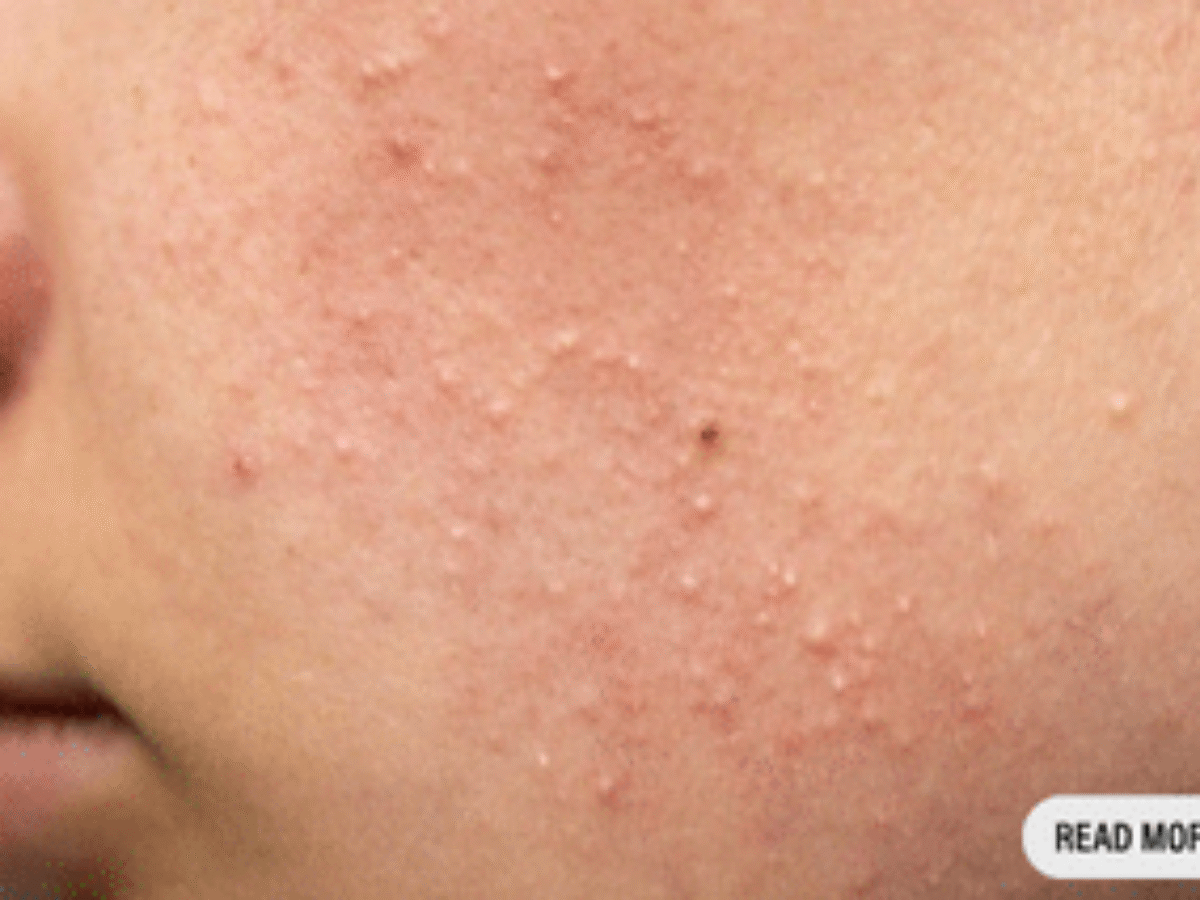
Credit: slclinic.com.sg
What Is Acne Vulgaris?
Acne vulgaris happens when hair follicles get blocked. Oil and dead skin cells build up inside the pores. This causes bumps or pimples. It often appears on the face, neck, chest, and back.
Acne is not dangerous. But it can make skin look bad. Sometimes, it leaves scars. That is why many want to treat it early.
Common Symptoms of Acne Vulgaris
Acne vulgaris shows up in many ways. Some signs are easy to see. Others might need a closer look. Here are the most common symptoms:
1. Blackheads
Blackheads are small, dark spots on the skin. They are open pores filled with oil and dead skin. The dark color comes from air touching the oil. Blackheads do not hurt.
2. Whiteheads
Whiteheads are small, white bumps. They are closed pores filled with oil and dead skin. Unlike blackheads, whiteheads are covered by skin. They can sometimes get red or swollen.
3. Pimples
Pimples are red bumps with a white or yellow center. They happen when bacteria infect blocked pores. Pimples can be painful or tender. They often appear on the face and back.
4. Papules
Papules are small, red, and hard bumps. They do not have pus. Papules can be tender or sore. They form when the skin becomes inflamed.
5. Pustules
Pustules look like pimples but have pus on top. They are red at the base with a white or yellow tip. Pustules can be itchy or painful.
6. Nodules
Nodules are large, hard lumps under the skin. They form deep inside the skin. Nodules can be very painful. They last longer than pimples or pustules.
7. Cysts
Cysts are large, pus-filled bumps. They are soft and painful. Cysts can cause scars if not treated properly. They appear deep under the skin.
Where Does Acne Vulgaris Appear?
Acne vulgaris mainly affects these body parts:
- Face: Most common area for acne.
- Neck: Spots often appear here.
- Chest: Acne can spread to the chest.
- Back: Sometimes acne covers large areas.
- Shoulders: Also common for acne spots.
When Do Acne Symptoms Start?
Acne vulgaris usually starts in early teen years. Hormone changes cause more oil production. This clogs pores and causes spots. Some adults also get acne. It can appear for many reasons.
Signs That Acne Is Getting Worse
At first, acne may be mild. But sometimes, it gets worse. Watch for these signs:
- More spots appear quickly.
- Spots become larger and redder.
- Spots feel painful or sore.
- Spots start to leak pus.
- Scars or dark marks form.
If you see these signs, see a doctor or skin expert. They can help stop acne from worsening.
How Acne Vulgaris Affects Your Skin
Acne changes how your skin looks and feels. Some effects include:
- Redness: Inflamed spots look red and swollen.
- Oily skin: Too much oil makes skin shiny.
- Scarring: Deep acne can leave marks.
- Dark spots: After acne heals, dark marks remain.
Why Does Acne Cause These Symptoms?
Acne vulgaris happens due to:
- Oil glands: Make too much oil (sebum).
- Clogged pores: Dead skin blocks pores.
- Bacteria: Grow inside blocked pores.
- Inflammation: Body fights infection, causing redness and swelling.
How to Notice Acne Early
Early acne signs are mild. Look for small blackheads or whiteheads. Tiny red bumps may also appear. Check your face daily in the mirror. Early care helps prevent big problems.

Credit: onefaceskincare.com.sg
Tips to Keep Acne From Getting Worse
Here are simple steps to help your skin:
- Wash your face twice a day.
- Use gentle soap or cleanser.
- Avoid touching or squeezing spots.
- Keep hair clean and off your face.
- Use oil-free or non-comedogenic products.
- Eat healthy foods and drink water.
When to See a Doctor
If acne causes pain or scars, see a doctor. If spots do not go away after weeks, get help. A doctor can prescribe medicine or creams. Early treatment helps skin heal better.
Summary Table of Acne Vulgaris Symptoms
| Symptom | Description | Appearance | Pain Level |
|---|---|---|---|
| Blackheads | Open clogged pores with dark top | Small, black dots | No pain |
| Whiteheads | Closed clogged pores with white top | Small, white bumps | Usually no pain |
| Pimples | Inflamed, pus-filled spots | Red bumps with white/yellow center | Sometimes painful |
| Papules | Red, hard bumps without pus | Small red bumps | Can be sore |
| Pustules | Red bumps with pus on top | Red base with white/yellow tip | Often painful |
| Nodules | Large, hard lumps under skin | Big, firm bumps | Usually very painful |
| Cysts | Large, pus-filled soft lumps | Big, soft, red bumps | Very painful |
Frequently Asked Questions
What Are The Common Symptoms Of Acne Vulgaris?
Red pimples, blackheads, whiteheads, and oily skin are common acne vulgaris symptoms.
How Can I Identify Mild Versus Severe Acne Vulgaris?
Mild acne has few pimples; severe acne shows many painful, large bumps and cysts.
Does Acne Vulgaris Cause Skin Redness And Inflammation?
Yes, acne vulgaris often causes redness and swelling around the pimples.
Can Acne Vulgaris Cause Scarring On The Skin?
Yes, severe or untreated acne vulgaris can leave scars on the skin.
Conclusion
Acne vulgaris shows many symptoms. It starts with small blackheads or whiteheads. Then pimples, pustules, nodules, or cysts may appear. Acne often causes redness, pain, and scars. Knowing symptoms helps in early care. Simple steps can keep acne mild. See a doctor if acne is painful or does not heal. Healthy skin is possible with the right care.