
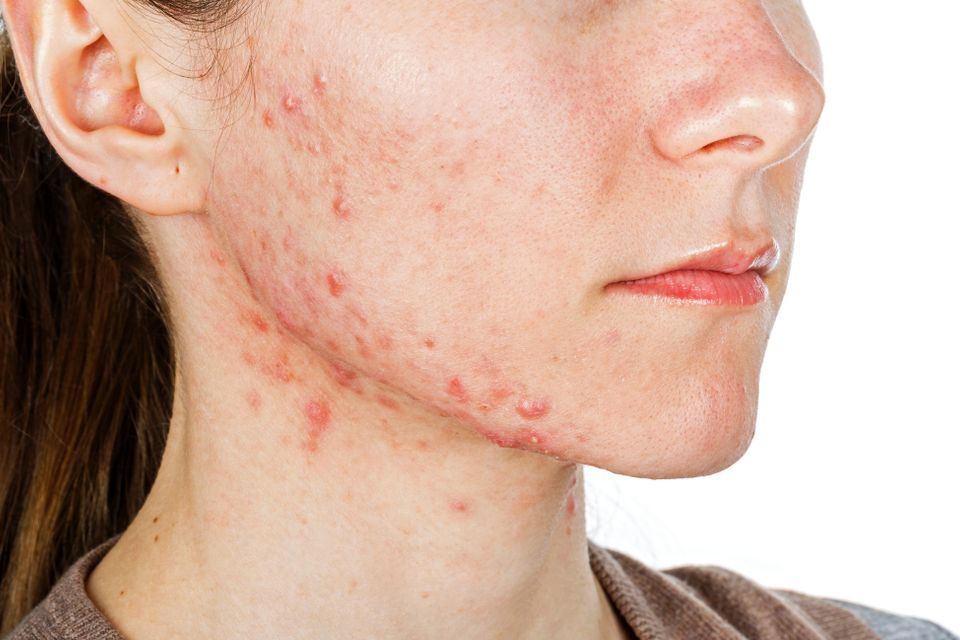
Acne is a common skin problem. Many people, both kids and adults, get acne. It can make the skin look red, bumpy, and sometimes painful. Acne happens when hair follicles get clogged with oil and dead skin. This can cause pimples, blackheads, and whiteheads.
When acne is mild, people often try home remedies or over-the-counter creams. But sometimes, acne is more serious. It can leave marks or scars. This is when a dermatologist can help. A dermatologist is a doctor who knows a lot about skin. They can give special treatments for acne.
What Causes Acne?
Before we talk about treatment, it is good to know what causes acne. Acne happens because of a few reasons:
- Too much oil: The skin makes oil to stay soft. But too much oil can block pores.
- Dead skin cells: Old skin cells can stick inside pores and block them.
- Bacteria: Tiny germs live on the skin. When pores are blocked, bacteria grow fast and cause pimples.
- Hormones: Changes in hormones, like during puberty, can increase oil production.
- Other factors: Stress, diet, and some medicines can also cause acne.
When Should You See a Dermatologist?
Many people try to treat acne at home first. But if acne is severe or does not get better, visit a dermatologist. Here are some signs you need a doctor:
- Pimples are large and painful.
- Acne leaves dark spots or scars.
- Over-the-counter creams do not work.
- Acne affects your confidence or mood.
What Does a Dermatologist Do?
A dermatologist looks at your skin carefully. They find out what type of acne you have. There are different types, such as blackheads, whiteheads, cysts, or nodules. Then, they make a plan to treat your acne. This plan is special for each person.
The treatment can include creams, pills, or other methods. The goal is to stop new pimples and heal your skin.
Credit: www.logandermatology.com
Types of Dermatologist Acne Treatments
Dermatologists use many ways to treat acne. Some common treatments are:
| Treatment Type | How It Works | Who Should Use It |
|---|---|---|
| Topical Creams | Applied directly on skin to reduce oil and bacteria. | People with mild to moderate acne. |
| Oral Medicines | Pills that work inside the body to reduce oil and fight bacteria. | Moderate to severe acne cases. |
| Chemical Peels | Special acids remove dead skin and unclog pores. | People with blackheads and whiteheads. |
| Light Therapy | Uses special light to kill acne bacteria and reduce oil. | Moderate acne not helped by creams. |
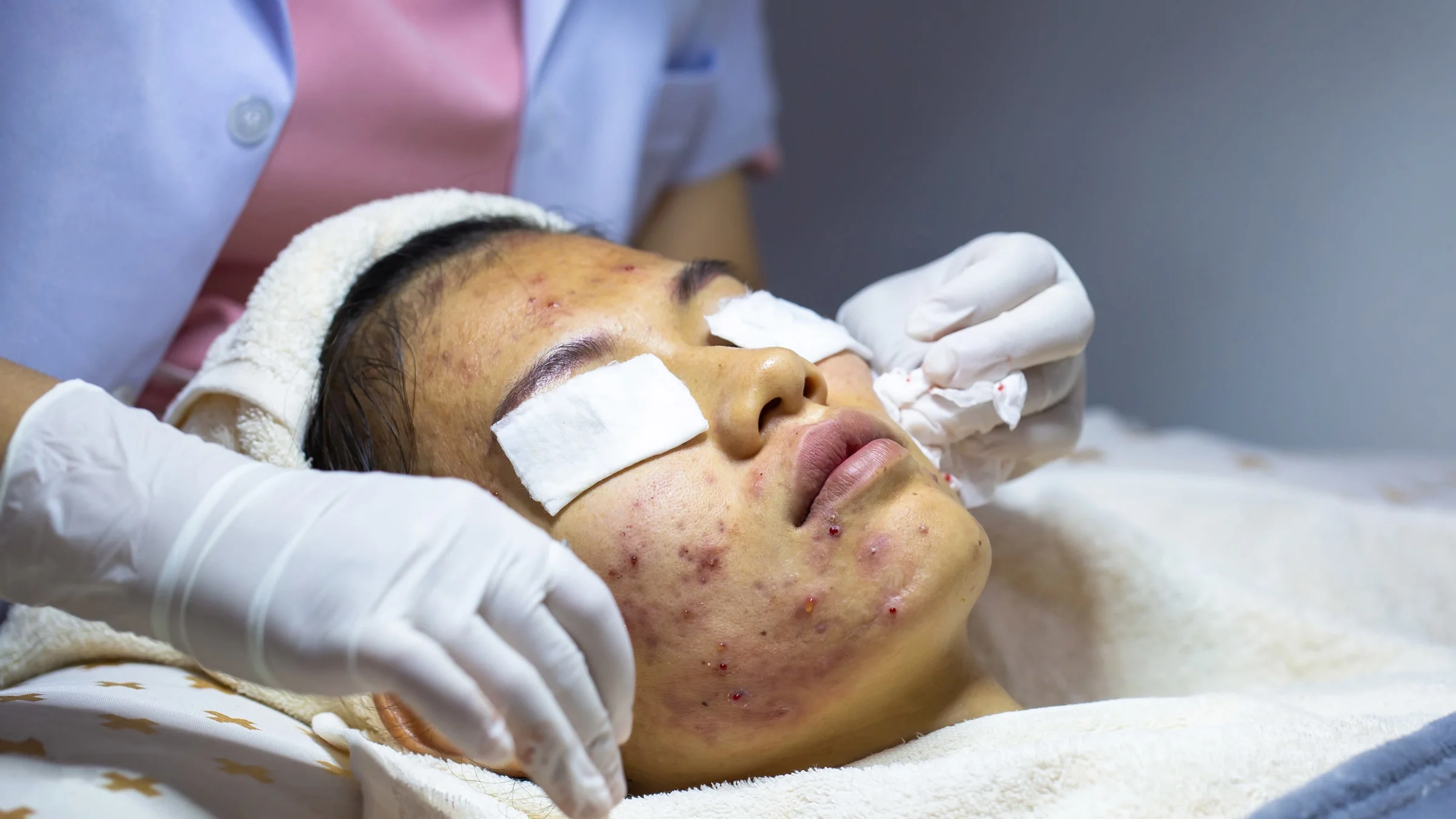
| Extraction | Doctor removes blackheads or whiteheads safely. | People with many clogged pores. |
Topical Creams
Topical creams are common and easy to use. These creams have ingredients like benzoyl peroxide, salicylic acid, or retinoids. They help to open pores and kill bacteria. You apply these creams once or twice a day. It may take weeks to see results. Be patient and follow the doctor’s instructions.
Oral Medicines
When acne is bad, creams might not be enough. Dermatologists may give pills. These pills can reduce oil or kill bacteria inside your body. Some common medicines are antibiotics, birth control pills (for girls), or isotretinoin. Always take these medicines with doctor advice. They can have side effects.
Chemical Peels
In a chemical peel, the doctor puts a special acid on your skin. This acid removes dead skin cells and cleans pores. It helps new skin grow. Chemical peels are done in the clinic. You may need many sessions for best results.
Light Therapy
Light therapy uses blue or red light. This light kills bacteria that cause acne. It also helps reduce oil. This treatment is painless and fast. Many people use it with creams or pills.
Extraction
Sometimes, blackheads or whiteheads are hard to remove. Dermatologists can remove them safely. This is called extraction. It stops pimples from growing bigger or leaving scars. Do not try to do this at home. It can cause more problems.
How to Prepare for a Dermatologist Visit
Before going to the dermatologist, you can do a few things:
- Write down your acne history. When did it start? What treatments did you try?
- List your medicines and allergies.
- Think about your skin care routine.
- Write down any questions you have for the doctor.
Being ready helps the doctor understand your problem better.
Credit: www.goodrx.com
After the Treatment: What to Expect
Acne treatment takes time. It can take weeks or months to see big changes. Sometimes, acne may get worse before it gets better. This is normal. Keep using your medicine as the doctor says.
Also, follow these tips to protect your skin:
- Wash your face gently twice a day.
- Use a mild cleanser. Avoid harsh scrubs.
- Do not pick or squeeze pimples.
- Use non-oily or “non-comedogenic” skin products.
- Stay out of too much sun. Use sunscreen if needed.
Can Acne Be Prevented?
It is hard to stop acne completely. But you can reduce the risk. Here are some easy tips:
- Keep your face clean but do not wash too much.
- Do not touch your face with dirty hands.
- Eat healthy foods. Avoid too much sugar or greasy food.
- Drink plenty of water.
- Get enough sleep and reduce stress.
If acne starts, see a dermatologist early. Early treatment can stop acne from getting worse.
Frequently Asked Questions
What Treatments Do Dermatologists Use For Acne?
Dermatologists use creams, oral medicines, and light therapy to treat acne.
How Long Does Dermatologist Acne Treatment Take?
Most treatments show results in 4 to 8 weeks, but some may take longer.
Can Dermatologist Treatment Prevent Acne Scars?
Yes, early treatment can reduce the risk of acne scars forming.
Is Dermatologist Acne Treatment Safe For All Skin Types?
Yes, treatments are customized to suit different skin types and conditions.
Conclusion
Acne is common but can be treated well. A dermatologist knows the best way to help your skin. They use many treatments like creams, pills, and light therapy. Acne treatment takes time and care. Follow your doctor’s advice and keep your skin clean. With patience, your skin can look better.
Remember, don’t be afraid to ask for help. Healthy skin is possible for everyone.