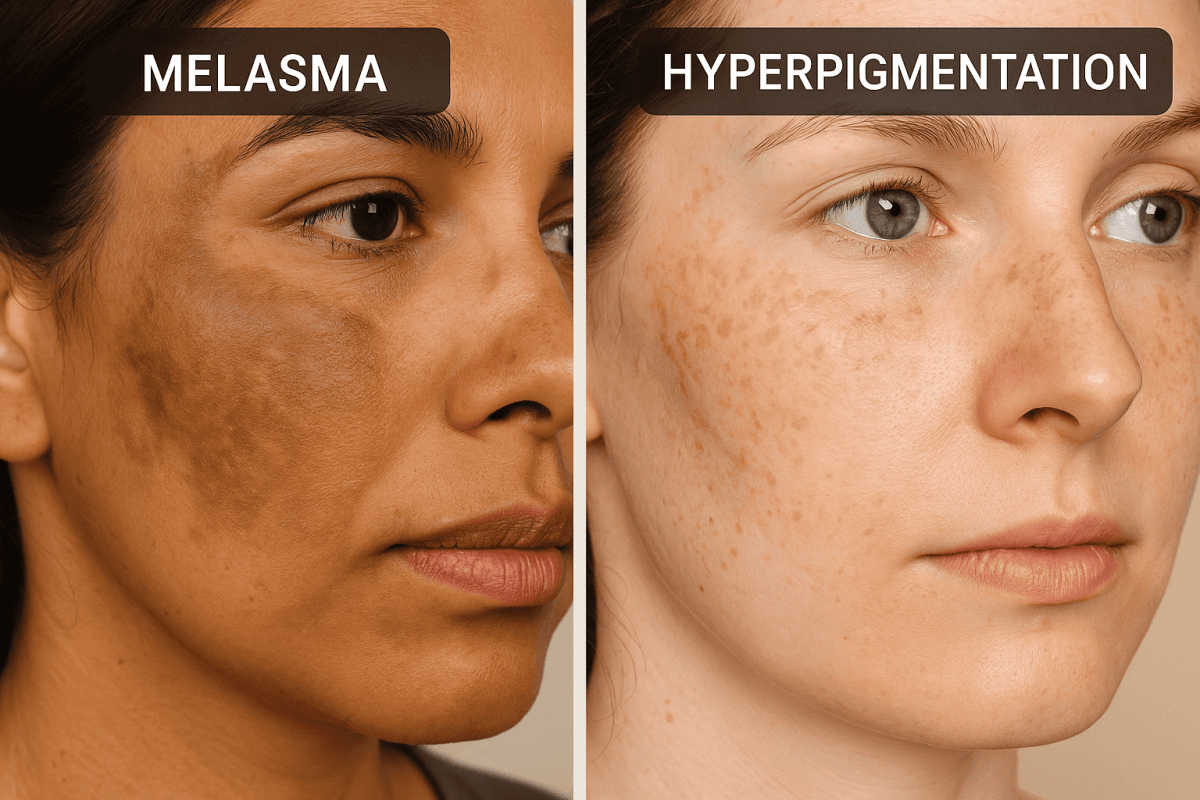
Melasma is a common skin problem. It causes dark patches on the face. These patches usually appear on the cheeks, forehead, nose, and upper lip. Many people want to know how to treat melasma. This article will explain easy ways to help reduce melasma. You will learn about causes, treatments, and helpful tips.
What Is Melasma?
Melasma is a skin condition. It makes parts of the skin darker than others. These dark areas are called hyperpigmentation. It happens when the skin makes too much melanin. Melanin is the pigment that gives skin its color.
Melasma often appears in women more than men. It is common during pregnancy or when taking certain medicines. Sun exposure makes melasma worse. People with darker skin tones may see melasma more clearly.
Causes of Melasma
Knowing what causes melasma helps us treat it better. Here are the main causes:
- Sun Exposure: UV rays trigger melanin production.
- Hormonal Changes: Pregnancy, birth control pills, or hormone therapy.
- Genetics: Family history can increase risk.
- Skin Care Products: Some creams or cosmetics irritate the skin.
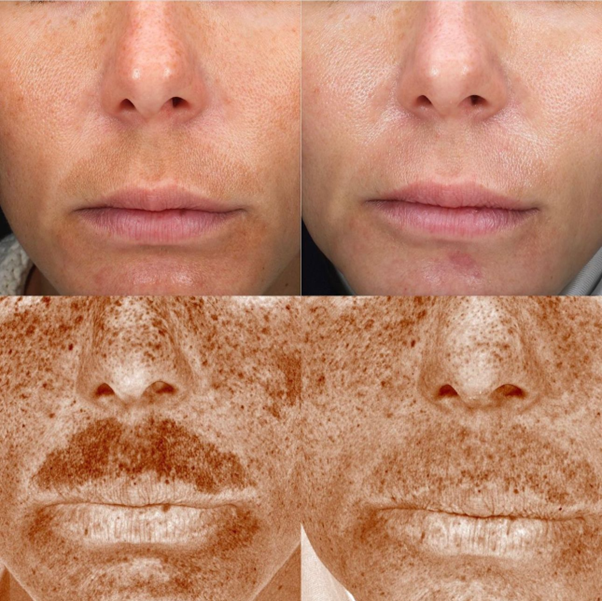
Credit: www.drmaryamzamani.com
How to Treat Melasma
Treating melasma takes time and patience. You cannot remove it overnight. The goal is to lighten the dark patches and prevent new ones. Here are some simple ways to treat melasma:
1. Use Sunscreen Every Day
Sunscreen is the most important step. It protects skin from UV rays. Use a sunscreen with SPF 30 or higher. Apply it every morning, even on cloudy days. Reapply every two hours if you stay outside.
Look for sunscreens that block both UVA and UVB rays. Physical sunscreens with zinc oxide or titanium dioxide are good choices. They are gentle and safe for sensitive skin.
2. Try Topical Treatments
Some creams can help reduce melasma. These creams work by lightening the skin. Here are common ingredients to look for:
- Hydroquinone: A skin-lightening agent used by doctors.
- Azelaic Acid: Helps reduce pigment and is gentle.
- Kojic Acid: Natural ingredient from mushrooms, helps fade dark spots.
- Vitamin C: Antioxidant that brightens skin.
- Retinoids: Promote skin cell renewal and fade pigment.
Always follow instructions when using these creams. Some may cause irritation if used too much. Consult a doctor before starting any treatment.
3. Consider Chemical Peels
Chemical peels remove the top layer of skin. This helps fade dark patches. Doctors use special acids like glycolic or salicylic acid. Peels should be done by a skincare professional. They are safe and effective when done correctly.
Peels may cause redness or peeling for a few days. Avoid sun exposure after a peel to protect your skin.
4. Laser And Light Therapy
Lasers and light treatments can help melasma. They target the pigment under the skin. These treatments are done by dermatologists. They may require several sessions for best results.
Laser therapy is not for everyone. It may cause side effects like redness or swelling. Talk to your doctor to see if this option is right for you.
5. Natural Remedies
Some people try natural methods at home. These can help but are usually mild. Natural remedies include:
- Aloe vera gel to soothe skin.
- Lemon juice, which has mild bleaching effect.
- Turmeric masks to reduce pigment.
- Apple cider vinegar as a skin toner.
Be careful with natural remedies. Test a small skin area first. Stop if you get irritation or redness.

Credit: www.clinic1.co.nz
Tips to Prevent Melasma
Preventing melasma is better than treating it. Here are some useful tips:
- Wear a hat: Protect your face from the sun.
- Stay in shade: Avoid sun between 10 am and 4 pm.
- Use gentle skin products: Avoid harsh soaps or scrubs.
- Avoid heat: Heat from cooking or hot showers can worsen melasma.
- Keep skin moisturized: Healthy skin heals better.
How Long Does It Take to See Results?
Treating melasma needs patience. It can take weeks or months to see changes. Consistency is key. Use sunscreen daily and follow treatment plans.
Do not stop treatments too soon. Melasma may come back without proper care. Keep protecting your skin even after it gets better.
When to See a Doctor
If melasma does not improve, see a doctor. A dermatologist can give advice and prescribe medicines. They can check if the spots are really melasma or something else.
Doctors may suggest stronger treatments or tests. Early care helps prevent melasma from getting worse.
Summary Table: Treatments for Melasma
| Treatment | How It Works | Notes |
|---|---|---|
| Sunscreen | Blocks UV rays to prevent darkening | Use daily, SPF 30 or higher |
| Topical Creams | Lighten dark patches | Use under doctor guidance |
| Chemical Peels | Remove top skin layer to fade spots | Done by professionals |
| Laser Therapy | Targets pigment under skin | Requires multiple sessions |
| Natural Remedies | Soothing and mild lightening | Test skin first, mild effect |
Final Thoughts
Melasma is a common skin problem. It can make you feel less confident. But with the right care, you can reduce its appearance. Protect your skin from sun. Use treatments carefully and be patient. If needed, ask a doctor for help.
Remember, healthy skin is happy skin. Take small steps every day. Your skin will thank you.
Frequently Asked Questions
What Causes Melasma On The Skin?
Melasma is caused by sun exposure, hormonal changes, and genetics.
Can Melasma Go Away On Its Own?
Melasma may fade, but it often needs treatment to improve.
Which Creams Work Best To Treat Melasma?
Creams with hydroquinone, azelaic acid, or kojic acid help reduce melasma.
How Does Sunscreen Help Melasma Treatment?
Sunscreen blocks UV rays that trigger and worsen melasma patches.