
Eczema is a skin problem many people face. It can cause red, itchy, and dry skin. People often wonder if eczema is an autoimmune disease. This article will explain what eczema is and if it is linked to the immune system.
What Is Eczema?
Eczema is a condition that makes the skin inflamed. When skin is inflamed, it can become red and swollen. Eczema can also make the skin feel very itchy and dry. Sometimes, it can cause small blisters or thick patches of skin. It often appears on the hands, face, or behind the knees.
Eczema is common. Many children and adults have it. The exact cause is not fully known. But doctors say it happens because of many reasons combined. These include genetics, environment, and the immune system.
What Is an Autoimmune Disease?
To understand if eczema is autoimmune, we must know what an autoimmune disease is. Autoimmune diseases happen when the body’s defense system attacks itself. The immune system usually fights germs and viruses. But in autoimmune diseases, it mistakes normal parts of the body as harmful.
Examples of autoimmune diseases are:
- Type 1 diabetes
- Rheumatoid arthritis
- Multiple sclerosis
- Lupus
In these diseases, the immune system causes damage to the body’s own tissues. This leads to pain, swelling, and other problems.
Is Eczema an Autoimmune Disease?
Many people ask if eczema is autoimmune. The answer is mostly no. Eczema is not usually considered an autoimmune disease. Instead, it is called an “inflammatory” or “allergic” condition. This means the skin reacts to triggers and gets inflamed.
In eczema, the immune system is involved but in a different way. It does not attack the body’s own skin. Instead, the immune system overreacts to things like allergens, irritants, or stress. This overreaction causes the skin to become red and itchy.
Doctors call this a “hyperactive” immune response, not an autoimmune attack. The immune system is working too hard, but it is not harmful to the skin itself.
Types of Eczema and Their Immune Role
There are different types of eczema. The most common type is called atopic dermatitis. This type is linked to allergies and asthma in many people. It happens because of a problem with the skin barrier and immune system.
Other types include contact dermatitis, which happens when skin touches something it does not like. There is also nummular eczema and dyshidrotic eczema.
| Type of Eczema | Immune System Role | Is It Autoimmune? |
|---|---|---|
| Atopic Dermatitis | Immune system overreacts to allergens | No |
| Contact Dermatitis | Skin reacts to irritants or allergens | No |
| Dyshidrotic Eczema | Cause not fully known, immune may be involved | No |
| Autoimmune Blistering Diseases | Immune system attacks skin cells | Yes |
These are different from common eczema and are true autoimmune skin diseases.
How Does the Immune System Affect Eczema?
In eczema, the immune system is sensitive. It reacts strongly to harmless things. These things can be pollen, dust, pet dander, or certain soaps. When exposed, the immune system sends signals to cause inflammation.
This inflammation damages the skin barrier. The skin loses moisture and becomes dry. It also lets more irritants enter. This makes eczema worse. The cycle can be hard to break.
So, the immune system plays a big role. But it is not attacking the skin on purpose. It is just reacting too much.
Why Is This Important to Know?
Knowing if eczema is autoimmune helps in treatment. If it were autoimmune, treatments would focus on stopping immune attacks. But since it is an inflammatory condition, treatment aims to calm the skin and reduce inflammation.
Doctors use creams that lower inflammation. They also suggest avoiding things that irritate the skin. Sometimes, they give medicines to control the immune response mildly.
Understanding this helps patients and families manage eczema better. It also avoids confusion about the condition.
Can Eczema Turn Into an Autoimmune Disease?
Eczema itself does not turn into an autoimmune disease. However, people with eczema may have a higher chance of getting other immune problems. This is because their immune system is more sensitive.
Still, eczema and autoimmune diseases are different. They have different causes and treatments.
Signs That Suggest Autoimmune Skin Problems
Some skin diseases are autoimmune. They cause blisters, sores, or severe rashes. These problems often need special treatment. If you see these signs, tell your doctor:
- Blisters that do not heal
- Severe pain or swelling
- Skin peeling in large areas
- Other body symptoms like joint pain
If you have simple red, itchy patches, it is more likely eczema.
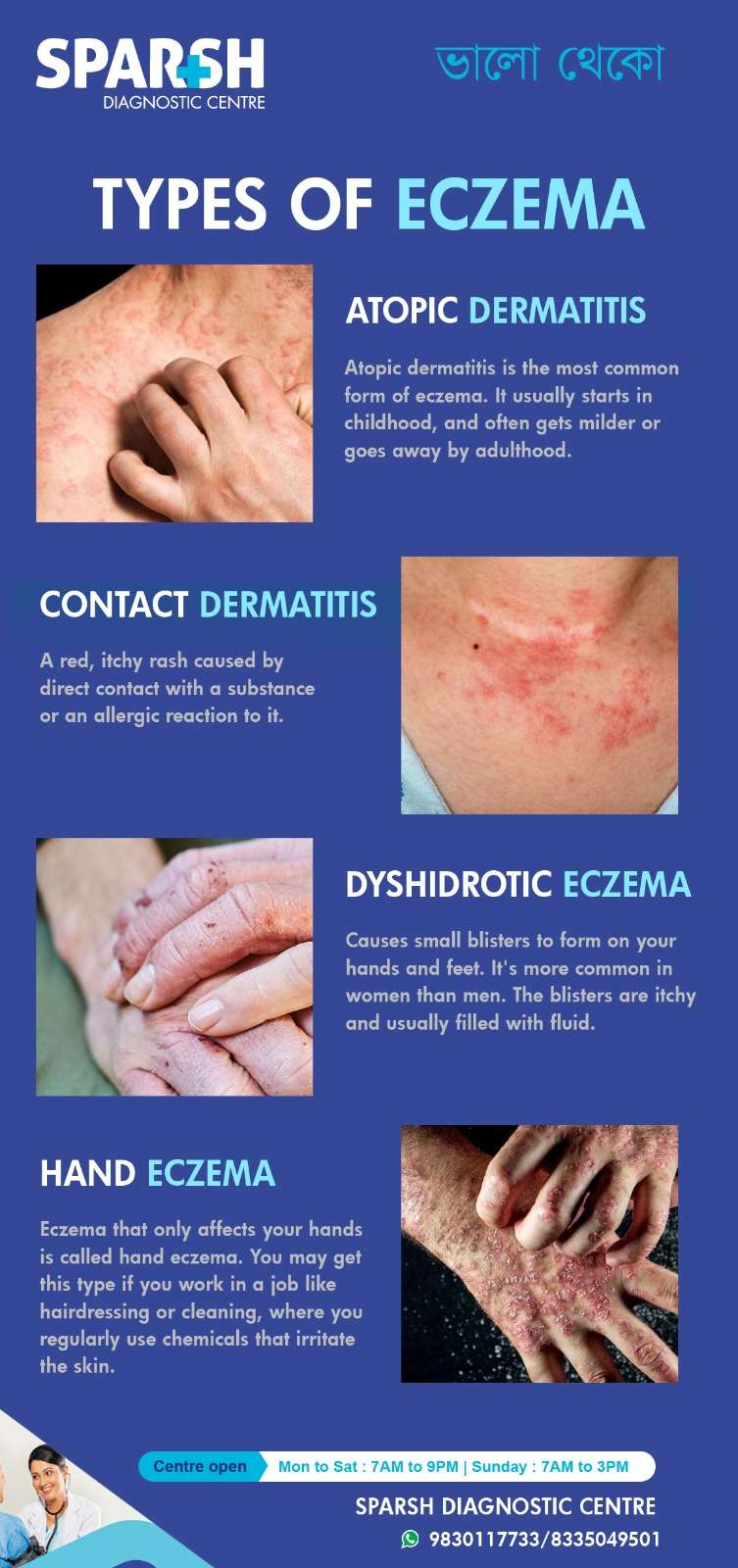
Credit: www.sparshdiagnostica.com
How to Take Care of Eczema
Even if eczema is not autoimmune, it needs care. Good skin care can help a lot. Here are some tips:
- Use gentle soaps and shampoos
- Moisturize skin daily
- Avoid scratching the skin
- Wear soft, cotton clothes
- Stay away from known irritants
- Keep nails short to stop damage
These steps help keep eczema under control and reduce flare-ups.

Credit: www.everydayhealth.com
When to See a Doctor
If eczema is very bad or does not get better, see a doctor. They can give stronger treatments or check for other problems. Early care helps prevent skin damage.
Also, if you think you have an autoimmune skin disease, get medical advice quickly.
Summary
Eczema is a skin condition causing redness and itching. It is not usually an autoimmune disease. Instead, eczema is caused by an overactive immune system. The immune system reacts too much to harmless things. This causes skin inflammation and damage.
Autoimmune diseases happen when the immune system attacks the body. This is different from eczema. Knowing the difference helps with proper treatment. Good skin care and avoiding triggers are key to managing eczema.
If you have skin problems, talk to a doctor. They can find the right cause and treatment for you.
Frequently Asked Questions
Is Eczema Classified As An Autoimmune Disease?
Eczema is not an autoimmune disease. It is an inflammatory skin condition caused by immune system overreaction.
What Causes Eczema Flare-ups In The Body?
Eczema flare-ups happen due to irritants, allergens, stress, and dry skin triggering immune responses.
How Does Eczema Affect The Immune System?
Eczema causes the immune system to overreact, leading to skin inflammation and itchiness.
Can Eczema Be Mistaken For Autoimmune Diseases?
Yes, eczema shares symptoms with some autoimmune diseases but differs in cause and immune response.