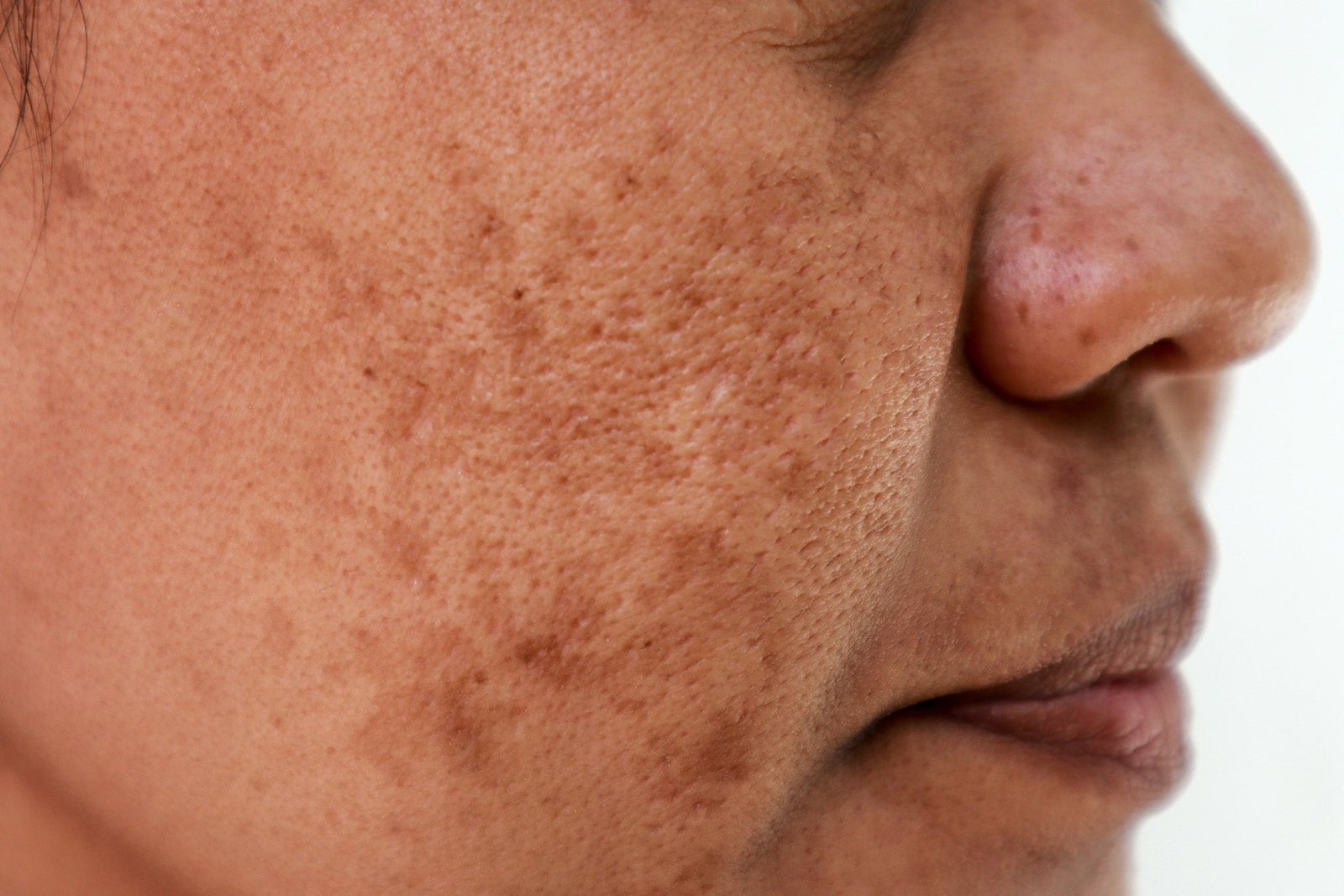
Hyperpigmentation is a common skin condition. It means some parts of the skin become darker than others. This can happen to anyone. But many people want to know what causes it. Let’s learn more about it in simple words.
What is Hyperpigmentation?
Hyperpigmentation happens when the skin makes too much melanin. Melanin is the natural pigment that gives skin its color. When melanin is made in large amounts, the skin looks darker in some spots. These spots can be small or big. They can be brown, black, or grayish.
Some people call these dark spots “age spots” or “sun spots.” They can appear on the face, hands, or other places. Hyperpigmentation is not harmful, but many want to know why it happens.

Credit: evaskinclinicpune.com
How Does Skin Get Pigmentation?
Our skin has special cells called melanocytes. These cells make melanin. Melanin helps protect the skin from the sun’s harmful rays. When the skin gets sun exposure, melanocytes work more to make melanin.
Sometimes, the melanocytes make too much melanin. This causes dark spots or patches. The skin looks uneven. This is hyperpigmentation.
Common Causes of Hyperpigmentation
Many things can cause hyperpigmentation. Here are the most common reasons:
| Cause | Explanation |
|---|---|
| Sun Exposure | Ultraviolet (UV) rays from the sun increase melanin production. This darkens the skin. |
| Skin Injury or Inflammation | When skin is hurt or inflamed, it may produce extra melanin as it heals. |
| Hormonal Changes | Changes in hormones during pregnancy or from birth control pills can cause dark patches. |
| Age | As people get older, dark spots can appear due to sun damage over time. |
| Medications | Some medicines can cause dark spots as a side effect. |
| Genetics | Some people are more likely to get hyperpigmentation because of their family. |
Sun Exposure
The sun is the biggest cause of hyperpigmentation. UV rays damage the skin. This makes melanocytes work harder. They produce more melanin to protect the skin. This extra melanin causes dark spots.
Even short time in the sun can cause hyperpigmentation. People with light skin and dark eyes are more sensitive. But anyone can get dark spots from sun damage.
Using sunscreen helps protect the skin. It stops UV rays from causing too much melanin.
Skin Injury Or Inflammation
When skin gets hurt, it can become darker as it heals. This is called post-inflammatory hyperpigmentation. It can happen after acne, cuts, burns, or rashes.
The skin makes more melanin to protect the injured area. This makes dark spots or patches on the skin.
These spots may fade over time but can last a long time in some cases.
Hormonal Changes
Hormones can affect melanin production. Women often get hyperpigmentation during pregnancy. This is called melasma or “the mask of pregnancy.”
Birth control pills and hormone therapy can also cause melasma. The dark patches usually appear on the face.
These patches may go away after the hormone levels change again.
Age
As people get older, dark spots often appear. These are called age spots or liver spots. They happen because of years of sun exposure.
Age spots usually show on hands, face, and other areas often in the sun.
Medications
Certain medicines can cause hyperpigmentation. These include some antibiotics, chemotherapy drugs, and others.
These medicines may make the skin more sensitive to the sun. This causes dark spots to form easily.
If you think a medicine causes skin darkening, talk to a doctor.
Genetics
Sometimes, hyperpigmentation runs in families. Some people have skin that makes more melanin naturally.
This means they can get dark spots more easily. It is important to protect the skin well if this is true.

Credit: www.cutislaserclinics.com
Other Less Common Causes
- Skin Diseases: Certain skin conditions can cause dark spots.
- Exposure to Chemicals: Some chemicals can irritate the skin and cause pigmentation.
- Vitamin Deficiency: Lack of certain vitamins can affect skin health.
How to Protect Your Skin from Hyperpigmentation
It is important to take steps to avoid hyperpigmentation. Here are simple tips:
- Use Sunscreen: Always wear sunscreen with SPF 30 or higher.
- Wear Protective Clothes: Hats, sunglasses, and long sleeves help protect skin.
- Avoid Peak Sun Hours: Stay out of the sun between 10 a.m. and 4 p.m.
- Take Care of Skin Injuries: Keep wounds clean and avoid picking at acne.
- See a Doctor: If dark spots appear suddenly, get advice from a doctor.
Summary
Hyperpigmentation happens when the skin makes too much melanin. It causes dark spots on the skin. The main causes are sun exposure, skin injury, hormones, age, medicines, and genetics. Protecting your skin from the sun is very important. Using sunscreen and protective clothes helps a lot.
Understanding what causes hyperpigmentation helps you take care of your skin. If you have dark spots, you can talk to a skin doctor for advice. Good skin care and protection can keep your skin healthy and even-toned.
Frequently Asked Questions
What Is The Main Cause Of Hyperpigmentation?
Hyperpigmentation happens when skin makes too much melanin, the pigment that gives skin color.
Can Sun Exposure Worsen Hyperpigmentation?
Yes, sunlight triggers more melanin, making dark spots and patches darker.
Does Acne Lead To Hyperpigmentation?
Yes, acne can cause dark marks after healing, known as post-inflammatory hyperpigmentation.
Which Skin Types Are Prone To Hyperpigmentation?
Darker skin tones are more likely to develop hyperpigmentation but all skin types can get it.