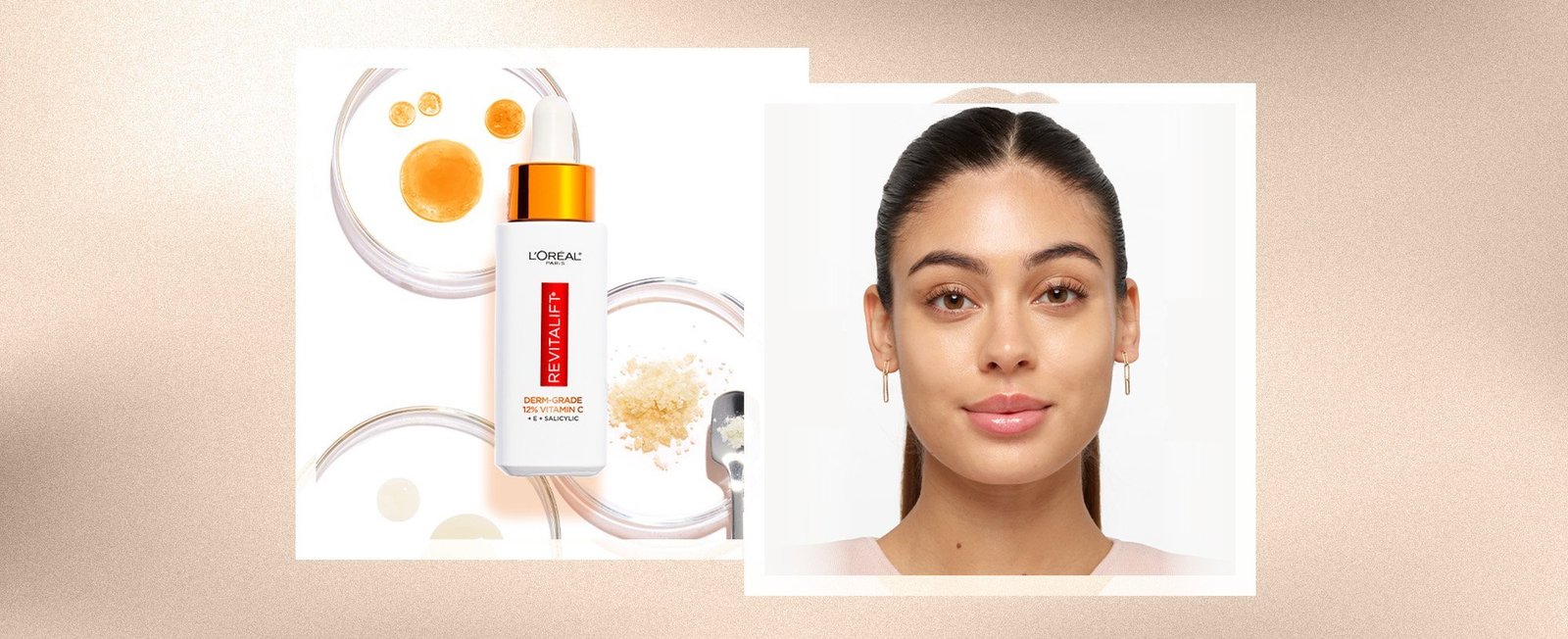
Vitamin C is very good for your skin. You may have heard people talk about it. But what does vitamin C really do for your skin? This article will explain it in simple words. You will learn why vitamin C is important. Also, how it helps your skin stay healthy and bright.
What is Vitamin C?
Vitamin C is a type of nutrient. It is also called ascorbic acid. Your body needs it to work well. You can get vitamin C from many fruits and vegetables. For example, oranges, strawberries, and broccoli have vitamin C.
Vitamin C is important for many parts of your body. One special place is your skin. Your skin is the largest part of your body. It protects you from outside things like dust and sun. Vitamin C helps your skin stay strong and healthy.
How Does Vitamin C Help Your Skin?
Vitamin C helps your skin in many ways. Here are some important benefits:
- Helps Make Collagen: Collagen is a protein. It keeps your skin firm and smooth. Vitamin C helps your body make collagen. More collagen means your skin looks young and fresh.
- Protects from Sun Damage: Sun rays can hurt your skin. Vitamin C helps protect your skin from the sun. It stops the sun from making your skin dry or wrinkled.
- Fights Wrinkles and Fine Lines: Wrinkles and lines appear when skin gets old. Vitamin C helps reduce these lines. It makes your skin look soft and smooth.
- Brightens Skin: Vitamin C can make your skin glow. It helps remove dullness. Your skin will look fresh and alive.
- Heals Skin Damage: If your skin gets hurt or red, vitamin C helps heal it. It repairs skin faster.
- Reduces Dark Spots: Dark spots come from too much sun or skin problems. Vitamin C helps make these spots lighter.
Why Collagen is Important for Your Skin?
Collagen is like glue for your skin. It holds skin cells together. When you are young, your skin has lots of collagen. That is why your skin looks soft and smooth.
As you get older, your skin makes less collagen. This makes your skin loose and wrinkled. Vitamin C helps your body make new collagen. It keeps your skin firm for longer.
Vitamin C and Sun Protection
Sunlight has tiny rays called UV rays. These rays can hurt your skin. They cause sunburn and skin damage. Vitamin C helps protect your skin from these rays.
Vitamin C works like a shield. It stops some of the bad effects of sun rays. But remember, vitamin C is not a full sunblock. You still need to use sunscreen when outside.
Vitamin C Fights Aging Signs
As skin ages, it shows signs like wrinkles and spots. Vitamin C helps slow down this process. It helps keep your skin smooth and healthy.
It also helps fight free radicals. Free radicals are tiny things that hurt your skin cells. Vitamin C stops free radicals from causing damage.
How to Use Vitamin C for Your Skin?
You can use vitamin C in two main ways:
| Method | Details |
|---|---|
| Eat Foods with Vitamin C | Fruits like oranges, lemons, and strawberries are rich in vitamin C. Vegetables like broccoli, peppers, and spinach also have vitamin C. Eating these helps your skin from inside. |
| Use Vitamin C Skin Products | Many creams and serums have vitamin C. Apply these on clean skin. They help vitamin C reach your skin directly. Use daily for best results. |
Tips for Using Vitamin C Skin Products
- Choose products with 10-20% vitamin C for good effect.
- Use them in the morning before sunscreen.
- Store products in a cool, dark place.
- Start with a small amount to see how your skin reacts.
- If you feel irritation, stop using and talk to a doctor.
Who Should Use Vitamin C for Skin?
Vitamin C is good for almost everyone. It is helpful for people who:
- Want to keep skin healthy and bright.
- Have dry or dull skin.
- Want to reduce dark spots or uneven skin tone.
- Are starting to see wrinkles.
- Spend time in the sun and want extra skin protection.
Even children can eat foods with vitamin C. But skin products are usually for adults. Always check product labels.
Possible Side Effects of Vitamin C on Skin
Vitamin C is safe for most people. But some may feel small problems, such as:
- Redness or irritation.
- Dryness or peeling.
- Mild itching.
If this happens, stop using the product. Wash your skin with water. If problems continue, see a doctor.

Credit: www.cutislaserclinics.com
Summary of Vitamin C Benefits for Skin
| Benefit | How It Helps |
|---|---|
| Collagen Production | Keeps skin firm and smooth. |
| Sun Protection | Reduces damage from UV rays. |
| Anti-Aging | Fights wrinkles and fine lines. |
| Brightening | Makes skin look fresh and glowing. |
| Healing | Helps repair skin damage faster. |
| Dark Spot Reduction | Lightens spots for even skin tone. |

Credit: www.amazon.ca
Final Thoughts
Vitamin C is a simple and helpful nutrient for skin. It helps your skin stay healthy, strong, and bright. You can eat foods with vitamin C or use skin products. Both ways help your skin in different ways.
Remember, good skin needs care every day. Vitamin C is one important part of that care. Use it well, and your skin will thank you.
So, start including vitamin C in your daily routine. Your skin will look better and feel healthier. It is an easy step to keep your skin happy!
Frequently Asked Questions
What Are The Main Benefits Of Vitamin C For Skin?
Vitamin C brightens skin, fights wrinkles, and helps heal sun damage.
How Does Vitamin C Help With Skin Aging?
Vitamin C boosts collagen, which keeps skin firm and reduces wrinkles.
Can Vitamin C Reduce Dark Spots On Skin?
Yes, vitamin C lightens dark spots by blocking melanin production.
Is Vitamin C Good For Dry Or Oily Skin?
Vitamin C suits all skin types and helps balance moisture and oil.