
Acne is a common skin problem. Many people, especially teenagers, get acne. It happens when hair follicles get clogged.
How Does Acne Happen?
Our skin has tiny holes called pores. Each pore is linked to a hair follicle. These follicles have oil glands. The glands make oil called sebum.
Oil helps keep skin soft and moist. But sometimes, the oil and dead skin cells block the pores. When this happens, acne can form.
Also, bacteria on the skin can grow in blocked pores. This causes swelling and redness. That is why pimples appear.
Types of Acne
Acne comes in many forms. Here are some common types:
- Whiteheads: Small bumps with white tops.
- Blackheads: Small dark spots on the skin.
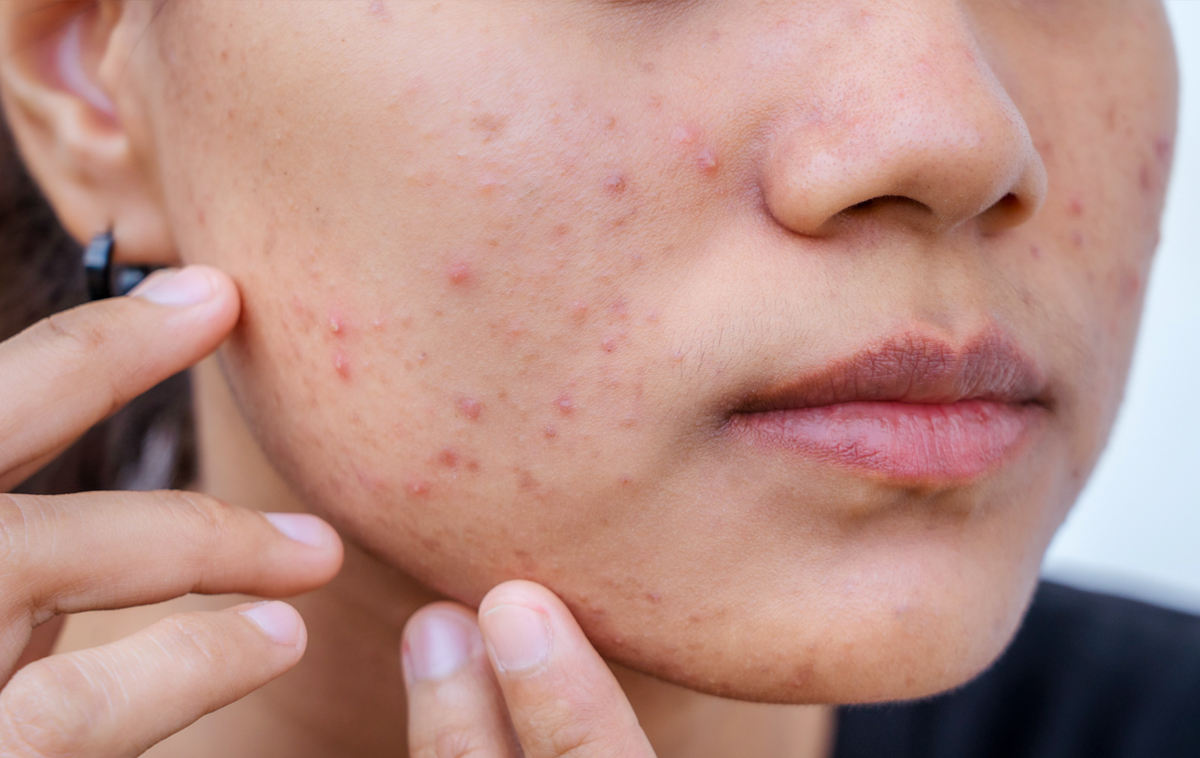
- Pimples: Red, swollen bumps that may have pus.
- Cysts: Large, painful lumps under the skin.
Each type of acne looks a little different. But all happen because of blocked pores.

Credit: www.everydayhealth.com
Credit: www.rch.org.au
Who Gets Acne?
Acne is most common in teenagers. This is because of changes in hormones during puberty. Hormones make the oil glands work harder.
But acne can happen at any age. Some adults have acne too. Both boys and girls get acne.
Where Does Acne Usually Appear?
Acne mostly shows up on the face. But it can also appear on the back, chest, and shoulders.
These areas have many oil glands. That is why acne is common there.
What Causes Acne?
Many things can cause or make acne worse. Here are some common causes:
| Cause | Explanation |
|---|---|
| Hormones | Changes in the body during puberty or stress increase oil production. |
| Blocked Pores | Dead skin cells and oil build up and block pores. |
| Bacteria | Germs can grow in blocked pores and cause inflammation. |
| Diet | Some foods, like sugary or oily foods, may make acne worse. |
| Stress | Stress can cause the body to make more oil. |
| Cosmetics | Oily makeup or skin products can block pores. |
How Does Acne Affect People?
Acne can make people feel upset or shy. It may lower self-confidence. Some may feel embarrassed about their skin.
In serious cases, acne can leave scars. These scars can stay even after acne heals.
How to Take Care of Acne-Prone Skin?
Good skin care helps reduce acne. Here are simple steps to follow:
- Wash your face twice a day with a gentle cleanser.
- Do not scrub your skin hard. This can hurt the skin.
- Use oil-free or non-comedogenic products. These do not block pores.
- Avoid touching your face often with your hands.
- Keep hair clean and away from your face.
- Eat healthy foods like fruits and vegetables.
- Drink plenty of water to keep skin hydrated.
When to See a Doctor?
If acne is very bad or painful, see a doctor. A doctor can give medicines to help.
Sometimes, acne needs special creams or pills. Never pick or squeeze pimples. This can cause scars or infections.
Common Treatments for Acne
Many treatments can help clear acne. Some are available without a prescription:
- Topical creams: These reduce oil and kill bacteria.
- Medicated cleansers: Special soaps to clean skin well.
- Moisturizers: Help keep skin soft without blocking pores.
For more severe acne, doctors may suggest:
- Antibiotics: To reduce bacteria and inflammation.
- Hormone therapy: To balance hormones in some cases.
- Retinoids: Medicines that help unclog pores.
Myths About Acne
There are many wrong ideas about acne. Here are some myths and facts:
| Myth | Fact |
|---|---|
| Acne is caused by dirt. | Acne is not caused by dirt but by clogged pores and oil. |
| Eating chocolate causes acne. | Chocolate does not cause acne, but too much sugar might. |
| Sun exposure helps acne. | Sun can dry skin but may also cause damage and worsen acne. |
| Popping pimples helps get rid of acne faster. | Popping pimples can cause infection and scars. |
Frequently Asked Questions
What Causes Acne To Develop On The Skin?
Acne forms when hair follicles clog with oil, dead skin, and bacteria, causing pimples and inflammation.
Can Diet Affect The Severity Of Acne?
Certain foods like sugary snacks and dairy may worsen acne for some people.
How Does Hormonal Change Trigger Acne Outbreaks?
Hormones increase oil production, which can block pores and lead to acne breakouts.
Is Acne Contagious Between People?
No, acne is not contagious and cannot spread from one person to another.
Conclusion
Acne is a skin problem that affects many people. It happens when pores get blocked with oil and dead skin. Bacteria can also cause pimples.
Acne can appear as whiteheads, blackheads, pimples, or cysts. It usually shows on the face, back, and chest.
Good skin care, healthy eating, and proper treatments can help. If acne is bad, visit a doctor for advice.
Remember, acne is common and treatable. Patience and care can improve your skin.