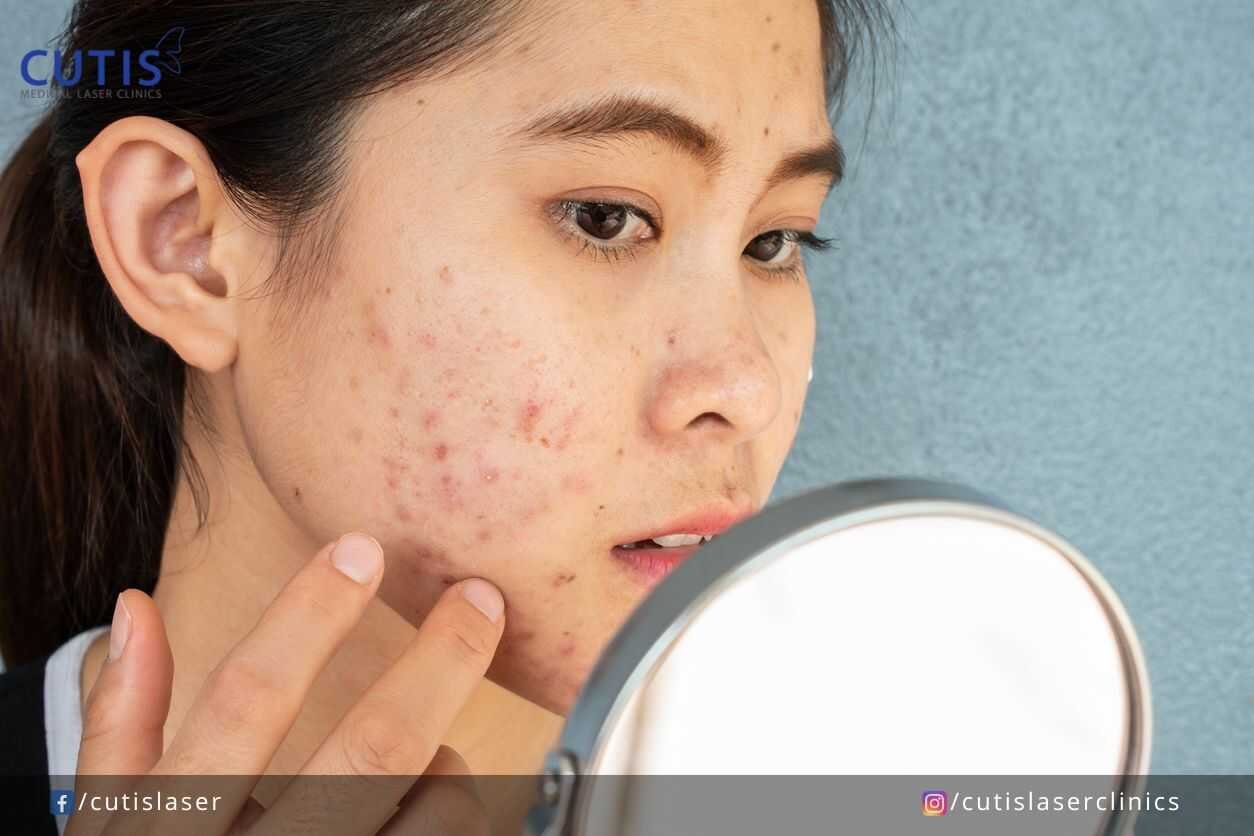
Acne is a common skin problem. Many people have it, especially teenagers. But some people have acne more often. This is called acne prone skin. In this article, we will explain what acne prone skin means. We will also talk about why it happens and how to take care of it.

Credit: www.cutislaserclinics.com
Understanding Acne
Acne happens when tiny holes on the skin, called pores, get blocked. Inside the pores, there are small oil glands. These glands make oil, which helps keep skin soft. But if too much oil is made, pores can get clogged.
When pores are blocked with oil and dead skin cells, bacteria can grow inside. This causes pimples, blackheads, or whiteheads. Acne can be mild or severe. It can appear on the face, neck, chest, or back.
What Does Acne Prone Skin Mean?
Acne prone skin means your skin is more likely to get acne. Some people get pimples more often than others. Their skin may feel oily and look shiny. They may have more blackheads or whiteheads too.
This type of skin can be tricky to care for. You might feel frustrated because acne keeps coming back. But knowing your skin type is the first step to better care.
How to Know if You Have Acne Prone Skin
Here are some signs that show you have acne prone skin:
- Your skin feels oily, especially on the forehead, nose, and chin.
- You get pimples often, even after washing your face.
- You see blackheads or whiteheads regularly.
- Your skin looks shiny most of the day.
- You sometimes get red, swollen bumps on your skin.
- Acne scars or marks may stay on your skin for a long time.
If you have many of these signs, your skin is likely acne prone.
Why Does Acne Prone Skin Happen?
There are many reasons why some people have acne prone skin. Here are the most common causes:
| Cause | Explanation |
|---|---|
| Too much oil | Skin makes too much oil, which blocks pores. |
| Dead skin cells | Old skin cells do not fall off and clog pores. |
| Bacteria | Germs grow in blocked pores and cause pimples. |
| Hormones | Changes in body hormones increase oil production. |
| Stress | Stress can make acne worse by changing hormone levels. |
| Diet | Some foods may increase acne in certain people. |
| Skin products | Using heavy creams or wrong cleansers can block pores. |
How Hormones Affect Acne Prone Skin
Hormones are chemicals in your body. They control many things, like growth and mood. Hormones also affect your skin. When hormones change, oil glands may work harder. This causes more oil and more acne.
Teenagers often get acne because their hormones change during puberty. Women may get acne before their periods. Pregnancy and some medicines can also change hormones.
How to Care for Acne Prone Skin
Caring for acne prone skin needs patience. Here are simple tips to help your skin stay clean and healthy:
- Wash your face twice a day. Use gentle soap and warm water.
- Do not scrub too hard. This can hurt skin and make acne worse.
- Use products for oily skin. Look for words like “non-comedogenic” or “oil-free.”
- Do not touch your face often. Hands carry dirt and bacteria.
- Keep hair clean. Oils from hair can cause pimples on the face.
- Avoid heavy makeup. It can block pores and cause acne.
- Use a clean towel every day. Dirty towels can spread bacteria.
- Eat healthy foods. Fruits and vegetables help your skin stay good.
- Drink lots of water. Water helps remove toxins from your body.
Things to Avoid if You Have Acne Prone Skin
Some habits can make acne worse. Try to avoid these:
- Picking or squeezing pimples. This can cause scars.
- Using oily or greasy skin products.
- Sleeping with makeup on.
- Touching your face with dirty hands.
- Using harsh scrubs or strong chemicals.
- Eating too much sugary or fried food.
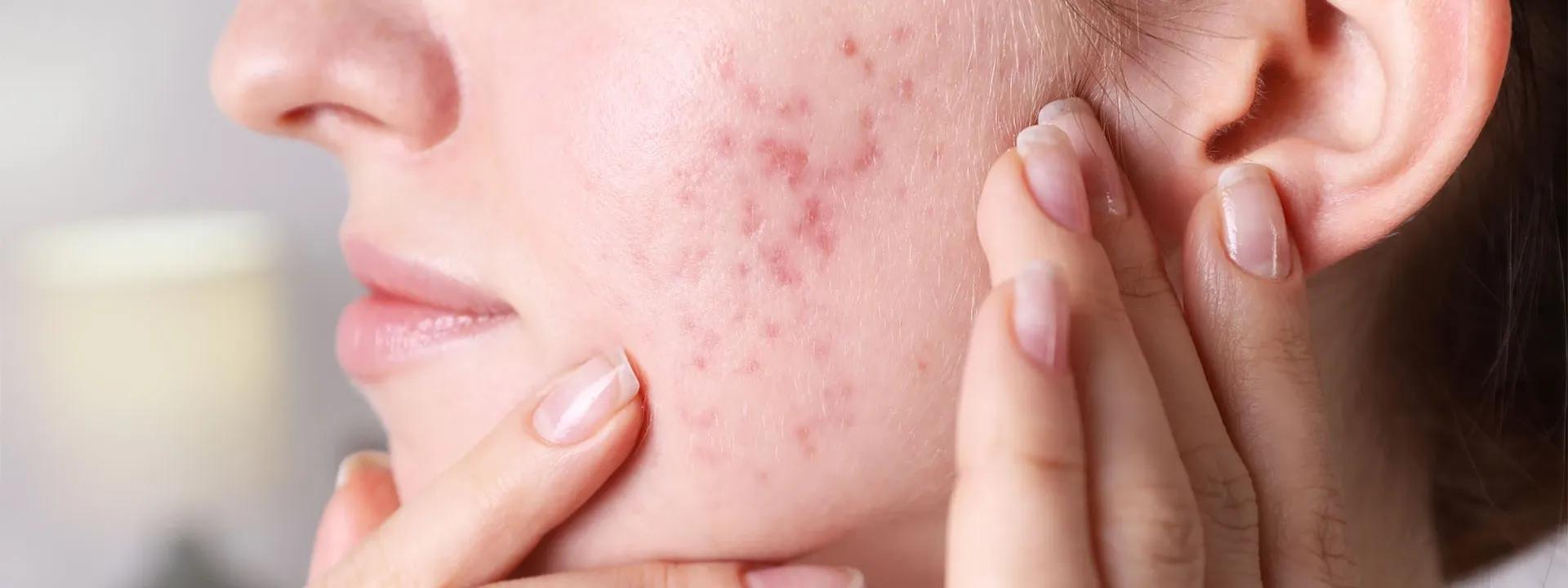
Credit: smytten.com
When to See a Doctor
Most acne can be treated at home. But sometimes, acne gets worse. It may cause pain or scars. If this happens, see a skin doctor (dermatologist). They can give medicine or special creams. This helps clear your skin faster.
Summary
Acne prone skin means your skin gets pimples often. It happens because of oil, dead skin, bacteria, and hormones. Taking care of your skin gently is very important. Wash your face, use the right products, and avoid bad habits. Eating healthy and drinking water also helps. If acne is bad, ask a doctor for help.
Remember, acne is common. You are not alone. With good care, your skin can look better and feel healthy.
Frequently Asked Questions
What Causes Acne Prone Skin?
Acne prone skin is caused by excess oil, clogged pores, bacteria, and inflammation.
How To Identify Acne Prone Skin?
Look for frequent breakouts, oily texture, blackheads, whiteheads, and redness.
Can Diet Affect Acne Prone Skin?
Yes, oily and sugary foods can worsen acne and cause more breakouts.
Is Acne Prone Skin Hereditary?
Yes, genetics can make some people more likely to have acne prone skin.