
Fungal acne is a skin problem many people face. It looks like regular acne but is not the same. Understanding fungal acne helps you take better care of your skin.
What Causes Fungal Acne?
Fungal acne happens because of tiny fungi on your skin. These fungi are called Malassezia. They live on your skin normally, but sometimes they grow too much. When this happens, you get fungal acne.
Unlike normal acne, which is caused by bacteria, fungal acne is caused by fungi. This is why some medicines for regular acne do not work on fungal acne.
Why Does Fungal Acne Grow?
- Warm and humid weather helps fungi grow.
- Wearing tight or non-breathable clothes traps sweat.
- Using oily skin products that feed fungi.
- Having a weak immune system.
- Using antibiotics that kill good bacteria.
What Does Fungal Acne Look Like?
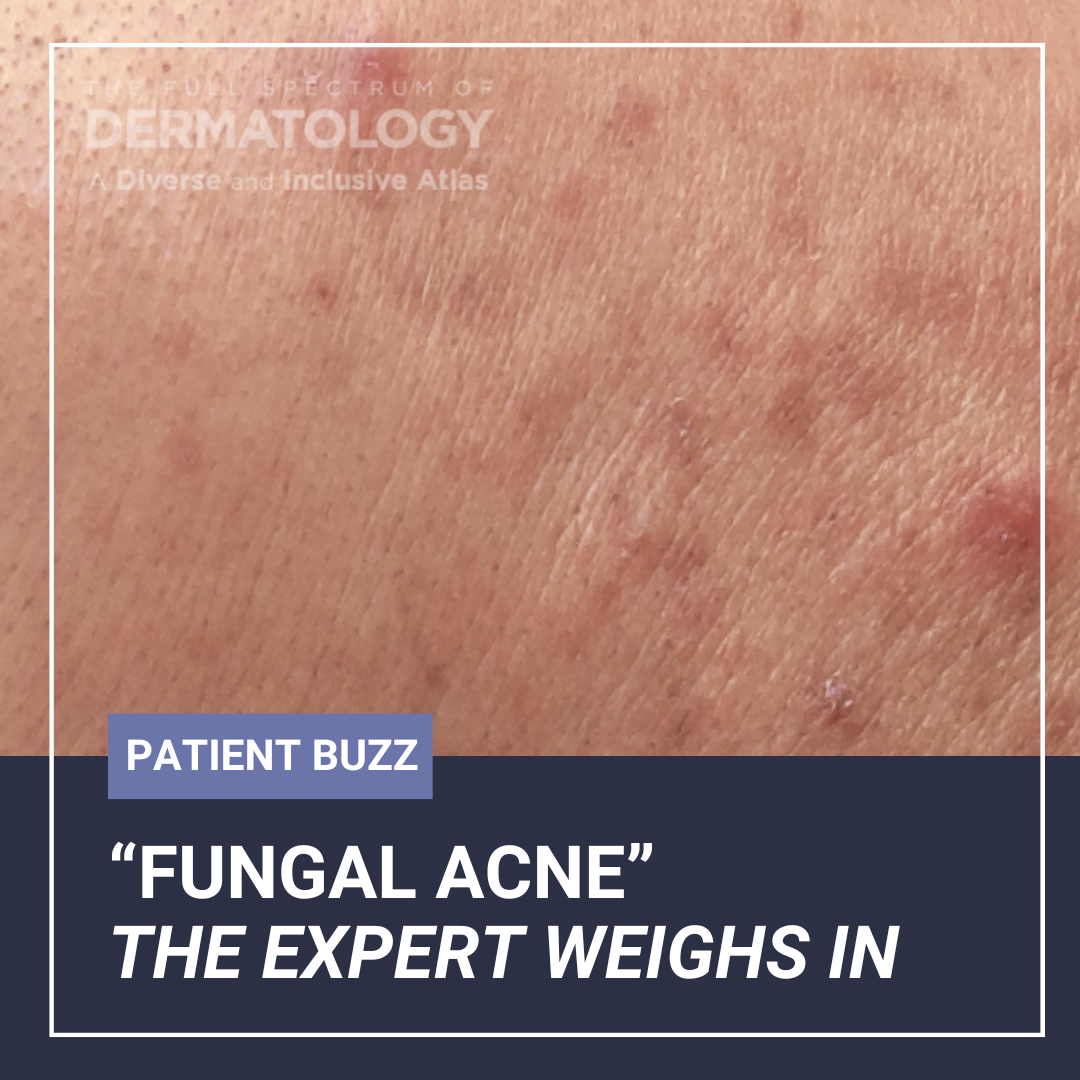
Fungal acne can be hard to spot. It looks like small, red bumps on your skin. These bumps are often itchy and may be painful.
Here are some signs of fungal acne:
- Small, uniform bumps in one area.
- Bumps that do not have whiteheads.
- Itching or burning feeling.
- Often found on the chest, back, or forehead.
- Does not improve with normal acne treatments.
Regular acne usually has different sized pimples with whiteheads or blackheads. Fungal acne bumps all look similar and are very close to each other.
How to Tell Fungal Acne From Regular Acne?
It can be tricky to know if you have fungal acne or regular acne. Here are some ways to tell:
| Feature | Fungal Acne | Regular Acne |
|---|---|---|
| Cause | Fungi (Malassezia) | Bacteria and clogged pores |
| Appearance | Small, similar bumps | Different sized pimples, whiteheads |
| Itching | Often itchy | Usually not itchy |
| Common areas | Chest, back, forehead | Face, back, chest |
| Treatment response | Does not improve with regular acne meds | Improves with acne meds |
How to Treat Fungal Acne?
Treating fungal acne is different from regular acne. You need to use special medicines that stop fungi from growing.
Here are some tips to treat fungal acne:
- Use antifungal creams or shampoos. Ingredients like ketoconazole or clotrimazole help.
- Keep your skin clean and dry.
- Wear loose clothes to reduce sweat.
- Avoid oily skincare products that feed fungi.
- Wash your clothes and towels regularly.
Important: See A Doctor
If you think you have fungal acne, see a skin doctor. They can give you the right medicine. Do not use strong acne medicines without advice. They may make fungal acne worse.
How to Prevent Fungal Acne?
Prevention is better than cure. Here are easy ways to stop fungal acne:
- Keep your skin clean and dry.
- Use mild, non-oily skin products.
- Wear breathable clothes, especially in hot weather.
- Change sweaty clothes quickly after exercise.
- Avoid sharing towels or clothes with others.
- Take care of your immune system by eating healthy.
Credit: nextstepsinderm.com
Common Myths About Fungal Acne
There are many wrong ideas about fungal acne. Let’s clear some myths:
- Myth: Fungal acne is caused by dirty skin.
Fact: It is caused by fungi, not dirt. - Myth: Regular acne medicines work on fungal acne.
Fact: They usually do not work. - Myth: Fungal acne is contagious.
Fact: It is not easily spread to others. - Myth: Only teenagers get fungal acne.
Fact: Anyone can get it.
Why It Is Important to Treat Fungal Acne?
If left untreated, fungal acne can get worse. It may cause:
- More itching and discomfort.
- Skin redness and irritation.
- Possible skin infections.
- Longer healing time.
Treating fungal acne early keeps your skin healthy and comfortable.

Credit: slclinic.com.sg
Frequently Asked Questions
What Causes Fungal Acne On The Skin?
Fungal acne is caused by an overgrowth of yeast called Malassezia on the skin.
How To Tell Fungal Acne From Regular Acne?
Fungal acne looks like small, itchy bumps often on the chest, back, and forehead.
Can Fungal Acne Spread To Other Body Parts?
Yes, fungal acne can spread to areas with sweat and oil buildup.
What Skin Types Are Prone To Fungal Acne?
Oily and sweaty skin types are more likely to get fungal acne.
Conclusion
Fungal acne is a common skin problem. It is caused by fungi, not bacteria. This makes it different from regular acne. Knowing the cause helps you choose the right treatment.
Look for small, itchy bumps that do not get better with regular acne medicines. Use antifungal treatments and keep your skin dry and clean.
Prevent fungal acne by avoiding oily products and wearing loose clothes. Always ask a doctor if you are not sure about your skin problem.
Taking care of your skin with the right steps keeps it healthy and happy.