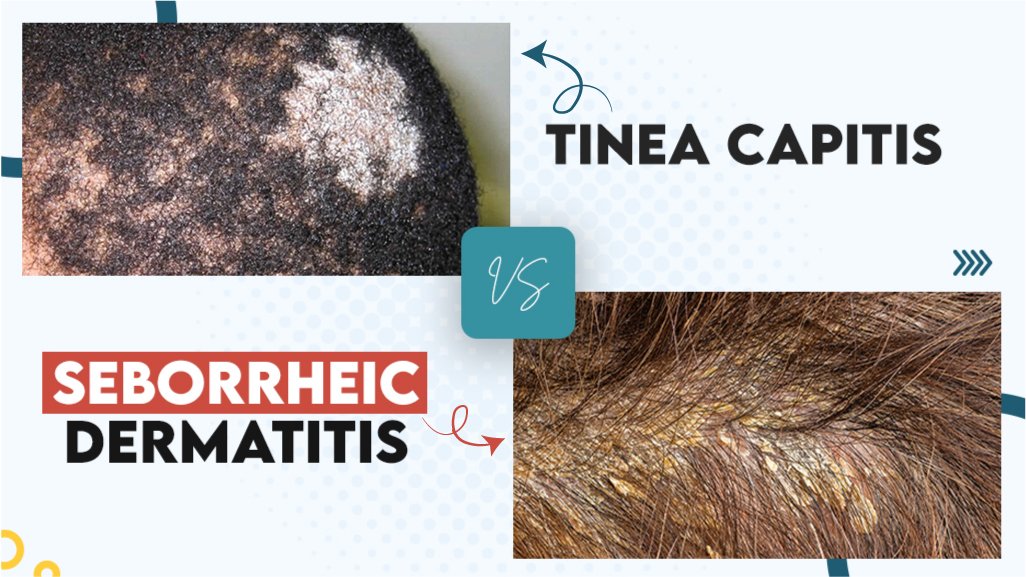
Seborrheic dermatitis is a common skin condition. It causes red, itchy, and flaky skin. You might see white or yellowish flakes on your scalp or other parts of your body.
Where Does Seborrheic Dermatitis Happen?
This condition often shows up in places with many oil glands. These areas include:
- Scalp
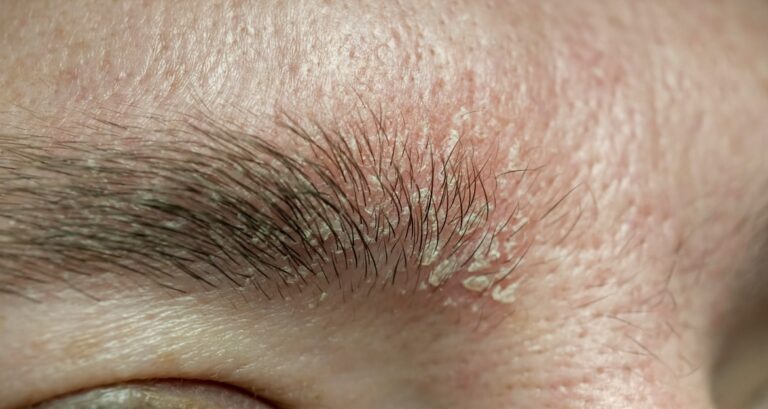
- Face, especially around the nose and eyebrows
- Chest
- Back
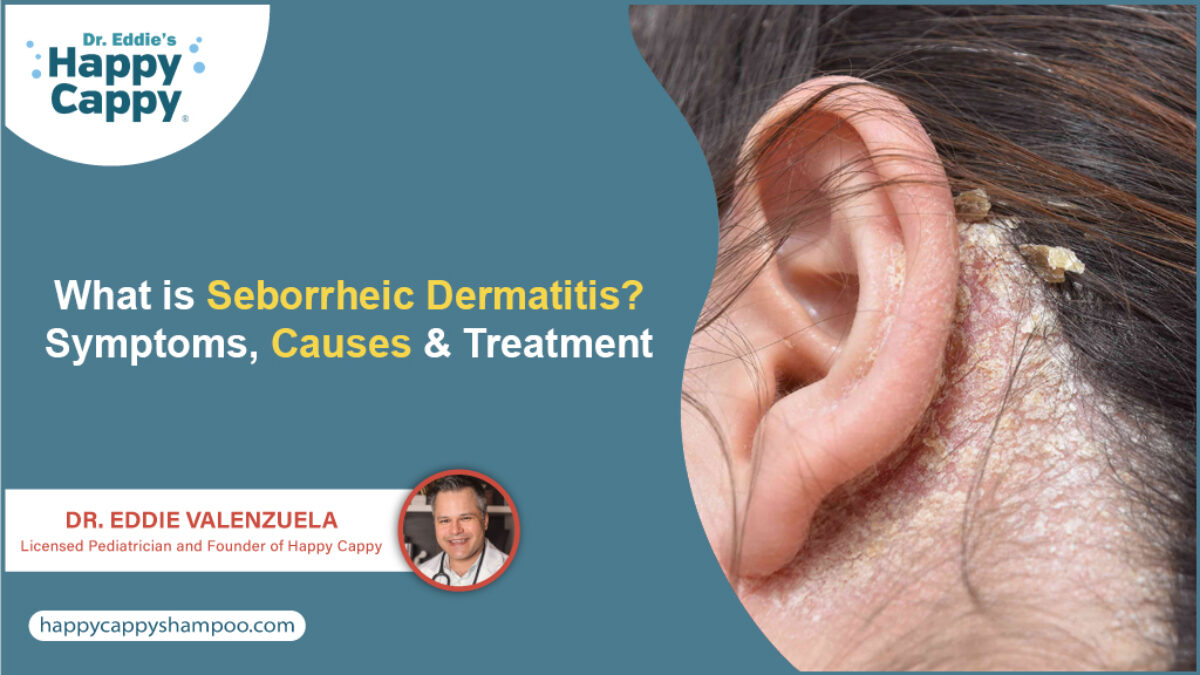
- Behind the ears
It can also affect babies, where it is called “cradle cap.”
What Causes Seborrheic Dermatitis?
Doctors do not know the exact cause. But some things can make it worse or bring it on.
These include:
- Overgrowth of a yeast called Malassezia on the skin
- Oily skin
- Stress or tiredness
- Cold and dry weather
- Some medical conditions like Parkinson’s disease or HIV
The yeast lives naturally on the skin, but sometimes it grows too much. This causes irritation and redness.
What Are the Signs of Seborrheic Dermatitis?
Look for these signs:
- Red skin with greasy or oily look
- White or yellow scales or flakes
- Itching or burning sensation
- Skin that looks swollen or inflamed
The symptoms can come and go. Sometimes they get better, then worse again.
How Do Doctors Diagnose Seborrheic Dermatitis?
Doctors usually check your skin carefully. They look for the red, flaky patches in typical places.
In most cases, no test is needed. But if the skin looks very different, they might take a small skin sample to check.
Who Gets Seborrheic Dermatitis?
Anyone can get seborrheic dermatitis. But some people get it more often.
- Babies under 3 months old
- Adults between 30 and 60 years old
- People with oily skin
- People with weak immune systems
- People under stress
Credit: happycappyshampoo.com
How Is Seborrheic Dermatitis Treated?
There is no cure, but you can control it well. Treatment helps reduce flakes and itching.
Common treatments include:
| Treatment | What It Does |
|---|---|
| Medicated shampoos | Help clear flakes on the scalp |
| Antifungal creams | Reduce yeast that causes irritation |
| Corticosteroid creams | Lower redness and swelling |
| Moisturizers | Keep skin soft and reduce dryness |
Use treatments as your doctor tells you. Do not stop treatment too soon, even if skin looks better.
Credit: psmedgroup.com
Tips to Help Control Seborrheic Dermatitis
You can do some things at home to help your skin:
- Wash your skin gently with mild soap
- Use medicated shampoo as needed
- Avoid harsh soaps or skin products
- Keep your skin moisturized
- Try to reduce stress
- Eat healthy foods
- Avoid scratching your skin
When Should You See a Doctor?
If your skin is very red, swollen, or painful, see a doctor. Also, if treatments do not help, ask for advice.
Sometimes other skin problems look like seborrheic dermatitis. A doctor can make sure you get the right care.
How Does Seborrheic Dermatitis Affect Daily Life?
Seborrheic dermatitis can feel uncomfortable. It can make your skin itchy and look bad.
But it is not dangerous. You can still do your daily activities.
With good care, symptoms often get better. You can live a normal life.
Summary
Seborrheic dermatitis is a skin condition. It causes red, flaky, and itchy skin. It happens where skin is oily.
Yeast on the skin, stress, and weather can make it worse. Doctors diagnose it by looking at your skin.
Treatments include medicated shampoos and creams. You can also take care of your skin at home.
See a doctor if the skin gets worse or does not improve. With care, you can control seborrheic dermatitis well.
Frequently Asked Questions
What Causes Seborrheic Dermatitis?
Seborrheic dermatitis is caused by an overgrowth of yeast and oil production on the skin.
Who Is Most Likely To Get Seborrheic Dermatitis?
It often affects infants, adults aged 30-60, and people with oily skin or weak immune systems.
What Are Common Symptoms Of Seborrheic Dermatitis?
Red, itchy, flaky patches usually appear on the scalp, face, and chest.
Can Stress Worsen Seborrheic Dermatitis?
Yes, stress can trigger or worsen seborrheic dermatitis flare-ups.