Many people talk about sensitive skin. But what does it really mean? Sensitive skin is a common skin type. It can cause discomfort and reactions. People with sensitive skin often feel their skin is delicate or easily irritated.
Credit: happycappyshampoo.com
Understanding Sensitive Skin
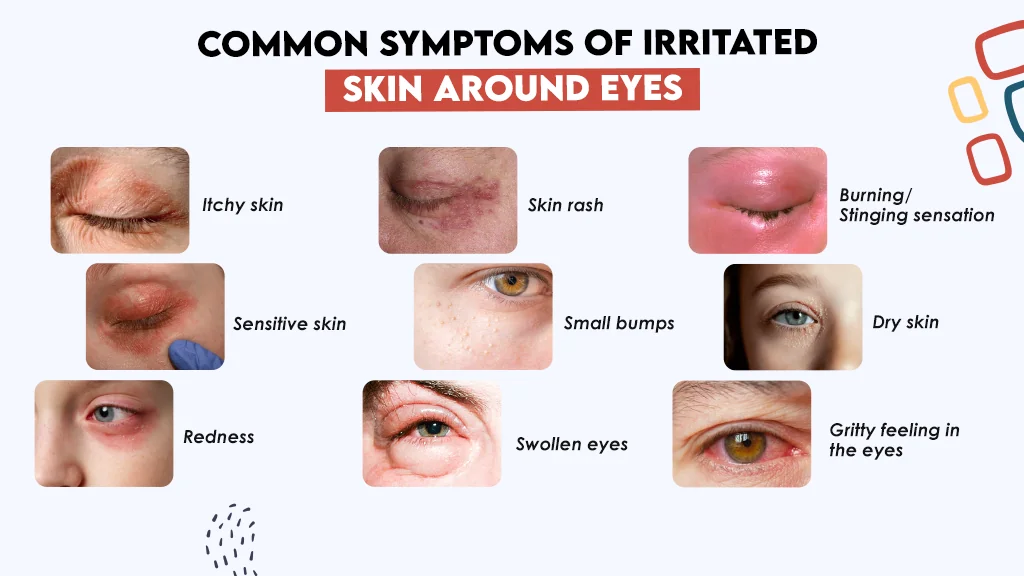
Sensitive skin means your skin reacts more than normal skin. It may feel itchy, dry, or red. Sometimes, it can sting or burn. These feelings happen more often than for other skin types.
Not everyone has sensitive skin. But many people face this issue. Sensitive skin can happen to anyone. Children, adults, and even older people can have it.
How to Know if You Have Sensitive Skin
There are signs you can check. If you notice these, your skin might be sensitive:
- Skin feels tight after washing.
- Redness appears easily.
- Itching or burning happens often.
- Skin dries out quickly.
- Small bumps or rashes show up.
If you have one or more of these signs, your skin could be sensitive.
What Causes Sensitive Skin?
Many things can cause sensitive skin. Sometimes it is inside your body. Other times, things outside cause the problem. Here are common causes:
| Cause | Explanation |
|---|---|
| Dry Skin | When skin loses moisture, it becomes weak and reacts easily. |
| Weather | Cold, wind, or hot sun can irritate skin. |
| Products | Some soaps, lotions, or makeup have harsh chemicals. |
| Allergies | Skin reacts to things like pollen or certain fabrics. |
| Skin Conditions | Problems like eczema or rosacea make skin sensitive. |
| Stress | Stress can make skin more reactive and prone to irritation. |
How Sensitive Skin Feels
Sensitive skin can feel many ways. Here are common feelings:
- Tightness after washing your face.
- Burning or stinging when you use some products.
- Itching that won’t stop.
- Red patches on cheeks or other areas.
- Dry or flaky skin that peels.
These feelings can last a short time or be more long-lasting.
How to Take Care of Sensitive Skin
Caring for sensitive skin needs special attention. You want to be gentle and careful. Here are some tips:
1. Use Mild Cleansers
Choose soaps or face washes that are gentle. Look for words like “fragrance-free” or “for sensitive skin.”
2. Moisturize Often
Keep your skin soft and hydrated. Use creams or lotions made for sensitive skin.
3. Avoid Hot Water
Hot water can dry your skin. Use lukewarm water instead when washing.
4. Test New Products
Before using a new product, try a small amount on your arm. Wait 24 hours to see if there is a reaction.
5. Protect Your Skin
Wear sunscreen every day. Use hats and clothes to shield skin from sun and wind.
6. Avoid Known Irritants
Stay away from harsh soaps, strong perfumes, and rough fabrics.
7. Manage Stress
Relaxing and reducing stress can help your skin stay calm.
Why Do Some People Have Sensitive Skin?
Some people are born with sensitive skin. Their skin barrier is thinner or weaker. This barrier protects the skin from outside harm. If it is weak, things can irritate the skin easily.
Others develop sensitive skin because of allergies or skin problems. Sometimes, age or health issues change skin sensitivity.
Common Myths About Sensitive Skin
Many myths confuse people about sensitive skin. Let’s clear some up:
- Myth: Sensitive skin is the same for everyone.
Fact: It varies a lot from person to person. - Myth: You can’t use any products if skin is sensitive.
Fact: Some products are safe and helpful. - Myth: Sensitive skin is always dry.
Fact: It can be oily or normal too. - Myth: Sensitive skin means you have a skin disease.
Fact: It is a skin type, not a disease.
What to Avoid if You Have Sensitive Skin
Knowing what to avoid helps keep skin calm. Here are things to skip:
- Harsh soaps and detergents.
- Strong perfumes and fragrances.
- Alcohol-based products.
- Very hot showers or baths.
- Excessive sun exposure.
- Scrubbing skin hard.
Credit: www.aveeno.com
When to See a Doctor
Most sensitive skin can be managed at home. But sometimes, you need help. See a doctor if:
- Skin becomes very red or swollen.
- You get blisters or open sores.
- Itching is very bad and does not stop.
- Home care does not improve your skin.
A doctor can check for allergies or skin conditions. They can suggest special treatments.
Summary
Sensitive skin is skin that reacts easily. It may feel dry, itchy, or red. Many things can cause it. Weather, products, and allergies all play a role.
Taking care of sensitive skin means being gentle. Use mild products and protect your skin. Avoid things that irritate your skin. If problems get worse, ask a doctor for help.
Remember, sensitive skin is common. With the right care, you can keep it healthy and comfortable.
Frequently Asked Questions
What Causes Sensitive Skin To React Easily?
Sensitive skin reacts due to thin skin barrier or strong response to triggers like weather, chemicals, or stress.
How Can I Tell If My Skin Is Sensitive?
Signs include redness, itching, burning, dryness, or rash after using products or exposure to elements.
Which Skincare Ingredients Should Sensitive Skin Avoid?
Avoid harsh chemicals like alcohol, fragrance, sulfates, and strong acids to prevent irritation and dryness.
Can Sensitive Skin Become Less Sensitive Over Time?
Yes, with gentle care and proper hydration, skin barrier can strengthen and reduce sensitivity.