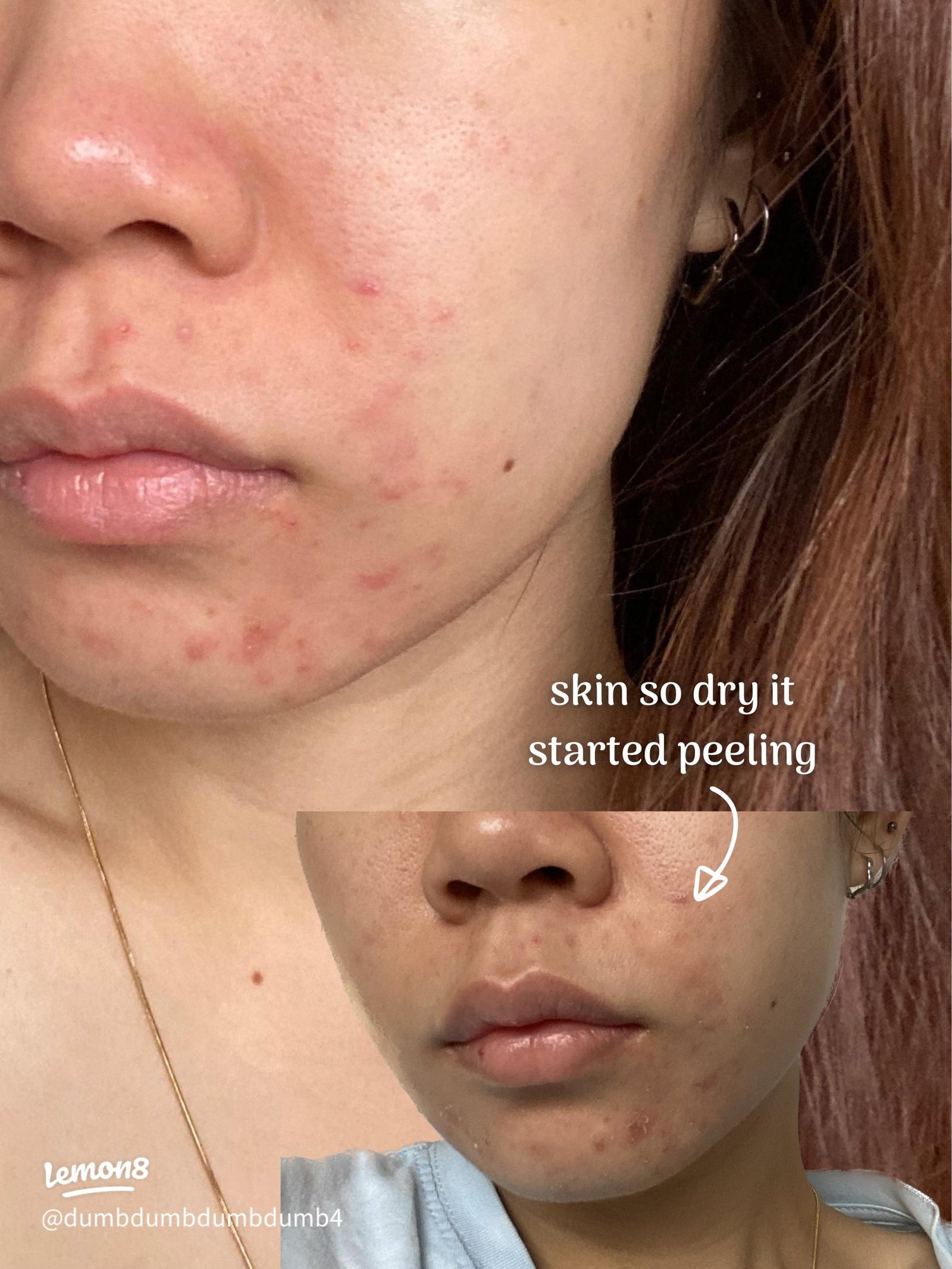
Dry skin is a problem many people face. It can feel tight, rough, or flaky. Sometimes, it even itches or cracks. But why does skin get so dry? This article will explain the common reasons for dry skin. You will also learn simple tips to help your skin feel soft and healthy again.
What Does Dry Skin Mean?
Dry skin means your skin does not have enough water or oil. Your skin needs water and oil to stay soft and smooth. When it loses these, it can look dull and feel rough. Dry skin can happen on your face, hands, legs, or any part of your body.
Sometimes, dry skin is just a small problem. Other times, it can be a sign of a health issue. It is important to know why your skin is dry. Then, you can take good care of it.
Common Causes of Dry Skin
There are many reasons your skin might be dry. Here are the most common ones:
| Cause | How It Affects Your Skin |
|---|---|
| Cold Weather | Cold air holds less moisture, drying your skin. |
| Hot Showers | Hot water removes natural oils from the skin. |
| Harsh Soaps | Soaps can strip away skin’s protective oils. |
| Age | Older skin produces less oil and loses moisture. |
| Low Humidity | Dry air makes skin lose water faster. |
| Skin Conditions | Conditions like eczema cause dry, itchy skin. |
| Medical Issues | Some diseases can make skin dry. |
| Dehydration | Not drinking enough water affects skin moisture. |
| Sun Exposure | Sun can damage skin and dry it out. |
Cold Weather
When the weather gets cold, the air is dry. This means less moisture in the air. Your skin can lose water quickly. Cold wind can also remove oils from your skin. That is why many people have dry skin in winter.
Hot Showers And Baths
Hot water feels good, but it can harm your skin. Hot water washes away natural oils. These oils protect your skin and keep it soft. Taking long, hot showers can make skin dry and itchy.
Harsh Soaps And Detergents
Some soaps are strong and remove oils from your skin. This makes skin dry and rough. It is better to use mild soaps or cleansers made for dry skin.
Age
As you get older, your skin changes. It makes less oil and holds less water. This makes skin dry and thinner. Older people often need more moisturizers to keep skin soft.
Low Humidity
Humidity is the amount of water in the air. When humidity is low, skin loses moisture. This happens in dry climates or heated rooms in winter. Using a humidifier can help add moisture back to the air.
Skin Conditions
Some skin problems cause dryness. Eczema and psoriasis are common examples. These diseases make skin red, dry, and itchy. If you have these, see a doctor for treatment.
Medical Issues
Dry skin can be a sign of other health problems. Diabetes, thyroid disease, or kidney problems can cause dry skin. If your skin is very dry and does not get better, talk to a doctor.
Dehydration
Water is very important for healthy skin. If you don’t drink enough water, your skin can dry out. Always drink plenty of water every day to keep skin hydrated from inside.
Sun Exposure
Sunlight can damage your skin. It removes moisture and breaks down skin cells. This can make your skin dry and rough. Always use sunscreen when you go outside.

Credit: rollingout.com
Signs of Dry Skin
How do you know if your skin is dry? Look for these signs:
- Skin feels tight or rough
- Flaky or scaly patches
- Itching or irritation
- Cracks or redness
- Dull or ashy look
If you see these signs often, your skin is dry. You should try to improve your skin care.
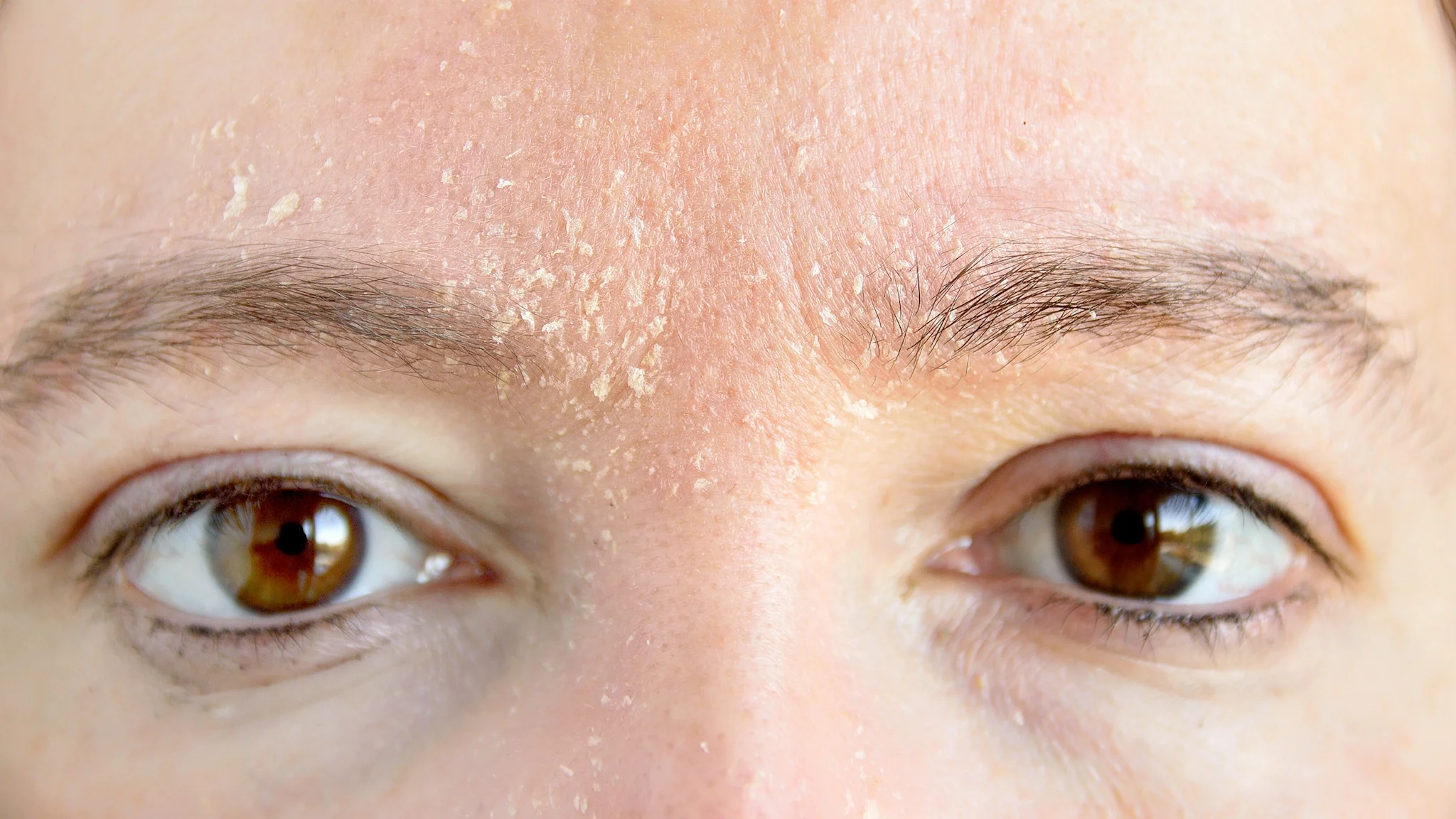
Credit: www.goodrx.com
How to Take Care of Dry Skin
Good skin care can make a big difference. Here are easy steps to help your dry skin:
1. Use Gentle Cleansers
Choose soaps or cleansers made for dry skin. Avoid strong soaps that dry your skin more.
2. Take Short, Warm Showers
Use warm water, not hot. Keep showers short, about 5 to 10 minutes.
3. Moisturize Often
Apply moisturizer right after washing your skin. Use creams or ointments that lock in moisture. Moisturize your skin at least twice a day.
4. Drink Plenty Of Water
Drink water regularly. This keeps your skin hydrated from the inside.
5. Use A Humidifier
In dry weather, use a humidifier in your home. This adds moisture to the air and helps your skin.
6. Protect Your Skin From The Sun
Wear sunscreen every day. Use hats and clothes to cover your skin.
7. Avoid Irritants
Stay away from harsh soaps, detergents, and chemicals. Wear gloves when using cleaning products.
8. Dress Properly
Wear soft fabrics like cotton. Avoid rough materials that can irritate skin.
When to See a Doctor
Sometimes, dry skin needs medical help. See a doctor if:
- Your skin cracks and bleeds
- Dry skin covers large parts of your body
- You have redness, swelling, or pain
- Moisturizers do not help
- You have other symptoms like fever or tiredness
A doctor can check your skin and find if there is a disease. They can give you medicine or special creams.
Summary
Dry skin happens when skin loses water and oils. Cold weather, hot showers, and harsh soaps cause dryness. Age and low humidity also play a big role. Some skin problems and diseases can make skin dry too. Drinking water and using moisturizers help a lot. Protecting skin from the sun and avoiding irritants is important. If your dry skin is bad, see a doctor for help.
Taking care of your skin is easy. Start with small changes. Your skin will feel soft and healthy again.
Frequently Asked Questions
Why Is My Skin Dry Even After Moisturizing?
Dry skin can result from lack of natural oils or using the wrong moisturizer for your skin type.
Can Weather Changes Cause Dry Skin Problems?
Yes, cold or dry weather often reduces skin moisture, leading to dryness and flakiness.
Does Drinking Water Help With Dry Skin?
Drinking water helps keep your body hydrated, which supports skin moisture but isn’t the only factor.
Can Harsh Soaps Make Skin Dry?
Harsh soaps strip natural oils from skin, causing dryness and irritation.